
Are You Wrapping the WRONG Foods in Foil?
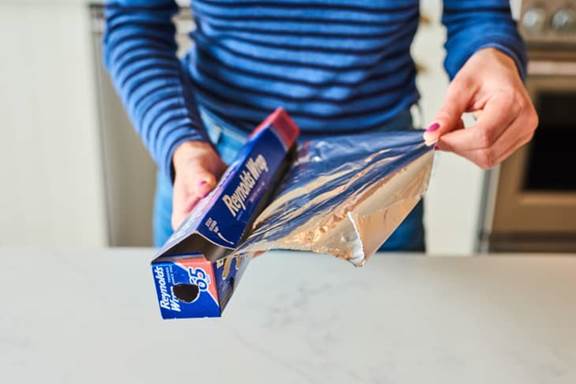
For many of us, aluminum foil is a kitchen staple; we love its versatility in cooking, baking, and wrapping up leftovers. However, this convenient metallic sheet is not inert, meaning it can chemically interact with certain ingredients. Wrapping the wrong foods in foil can ruin your meal's flavor, degrade its quality, or even pose health risks.
So what are the “wrong foods?”
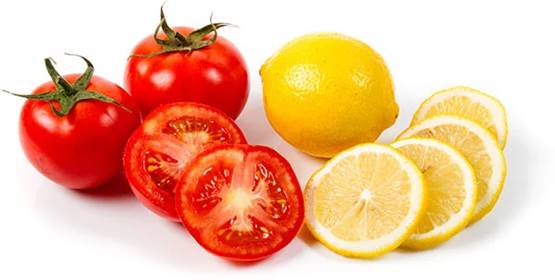
THOSE THAT ARE HIGHLY ACIDIC. You should never wrap acidic ingredients—such as tomatoes, tomato sauces, citrus fruits, and vinegar-based dressings—in aluminum foil. The acids break down the thin protective layer of aluminum oxide on the foil's surface. This triggers a chemical reaction that corrodes the metal, causing aluminum to leach directly into your food. This process leaves behind an unappetizing metallic taste and small white spots of aluminum salts on the food. Over time, excessive consumption of leached aluminum can accumulate in bodily tissues and lead to long-term health concerns.
THOSE THAT ARE HEAVILY SALTED and MARINATED. Similar to acids, high amounts of sodium chloride (salt) accelerate the degradation of foil. Cured meats, brined poultry, and heavily salted fish react with the metal ions, compromising the texture and flavor. Marinated meats are particularly problematic because they usually combine both acids and salts (like lemon juice and soy sauce), multiplying the rate of chemical leaching, especially if wrapped while the food is still warm.
WARM, MOIST PROTEINS and STARCHY LEFTOVERS. Moist, protein-rich, or starchy foods like cooked rice, potatoes, and legumes require special care. Because aluminum foil does not create a completely airtight seal, it fails to protect food from airborne contaminants and cross-contamination in the refrigerator. Even worse, tightly wrapping warm foods in foil traps dense heat and moisture, slowing down the cooling process. This keeps the food in the bacterial "danger zone" (40°F to 140°F) for too long, allowing harmful spore-forming bacteria like Bacillus cereus or Clostridium botulinum to multiply rapidly.
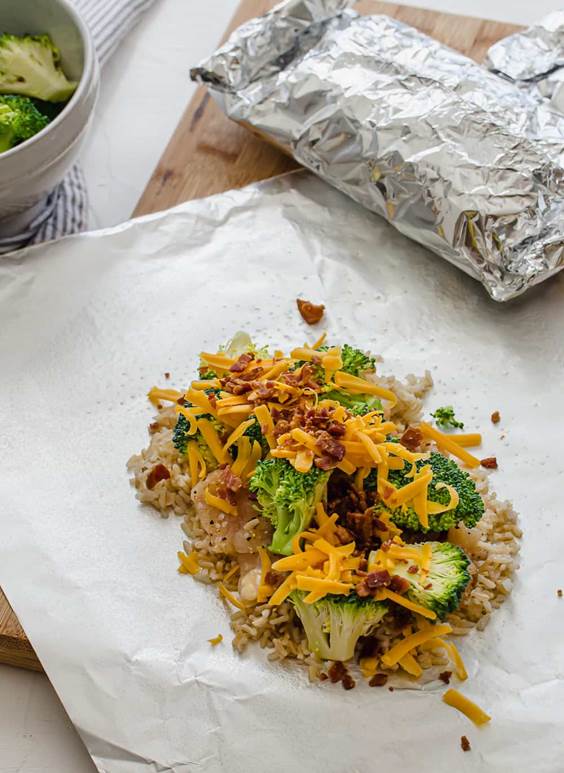
Lastly, here are a couple thoughts from professional chefs regarding using foil: While cooking low-salt and non-acidic vegetables in aluminum foil is perfectly safe, it won’t yield the tastiest results. They end up steamed, making them mushy, rather crispy. Essentially, the foil traps moisture and prevents caramelization, which is what gives roasted vegetables their deep flavor.
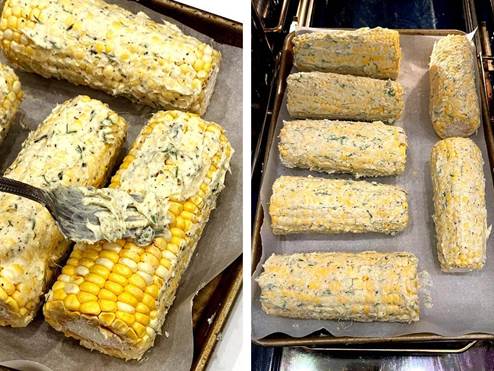
And if you’re looking to bake a potato or an ear of corn, wrapping it in foil will help soften them, but again, there’ll be no crispness because of trapped steam. If you’re looking for crispy edges, it’s best to roast them uncovered on a sheet pan.
In closing, there are much better alternatives to foil for storing leftovers for maintaining food safety and preserving great flavor. For instance, airtight glass or ceramic containers are the number one recommendation of professional chefs because of their consistent safety record. They keep the flavor in and anything harmful out.
 Alice Osborne
Weekly Newsletter Contributor since 2006
Email the author! alice@dvo.com
www.thekitchn.com
www.ladanspa.com
www.thrivinghome.com
www.simplyhappyfoodie.com