
Ricotta Cheese: Why Chefs Reach for It So Often
This humble-on-the-surface cheese (ricotta to be exact), is one of those ingredients that shows up again and again in professional kitchens. Understanding what it actually is helps explain why chefs reach for it so often.
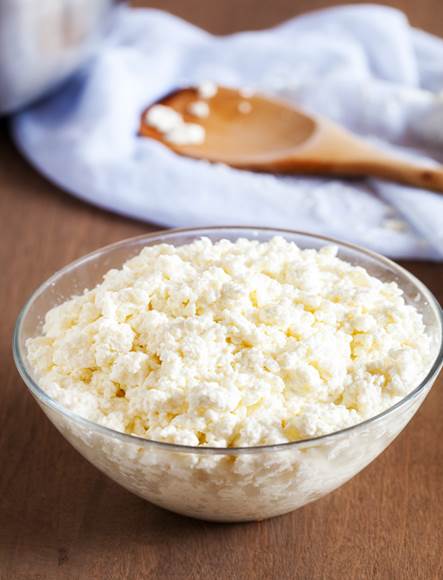
Despite being called a cheese, ricotta is technically a byproduct of cheesemaking. Its name means "recooked" in Italian, and that's exactly how it's made: whey left over from producing other cheeses (like mozzarella or provolone) is heated again, causing residual proteins to coagulate into soft, delicate curds. This sets ricotta apart from most cheeses, which are made directly from milk. The result is a fresh, unaged cheese with a light, slightly grainy texture and a mild, faintly sweet flavor.
“Mild” is the key word here; ricotta is a blank canvas for flavor creation. One of the biggest reasons chefs favor ricotta is its neutrality. Unlike sharp, aged cheeses, ricotta doesn't dominate a dish — it supports it. That mildness makes it an ideal base for both sweet and savory preparations. Chefs can push it toward savory with garlic, herbs, and lemon zest, or toward dessert with honey, vanilla, or citrus, without fighting against a strong existing flavor.
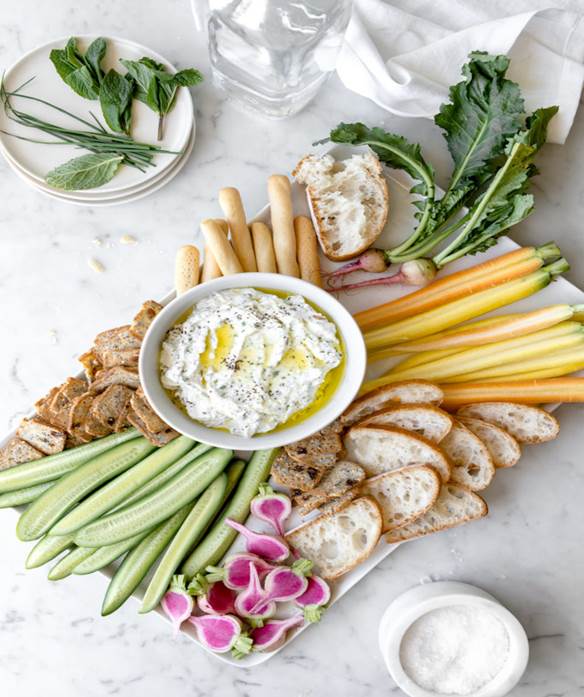
Ricotta's texture is remarkably adaptable—it can be manipulated easily. Whipped, it turns silky and spreadable, perfect for crostini or a bed under roasted vegetables. Baked, it firms up and holds its shape, which is why it's the backbone of lasagna, stuffed shells, and manicotti. Strained further, it becomes dense enough to anchor cheesecakes and Italian pastries like cannoli and sfogliatelle (Italian for “soft, thin leaf or little layer” and is a shell-shaped Italian pastry). Few cheeses offer that much range depending simply on how they're handled.
Chefs also love how it balances rich dishes. Because ricotta is lighter and less fatty than many other cheeses, chefs use it to add creaminess to a dish without making it heavy. A dollop on pizza, folded into pasta, or spread on toast delivers richness without the density of something like cream cheese or mascarpone, letting other ingredients still shine through.
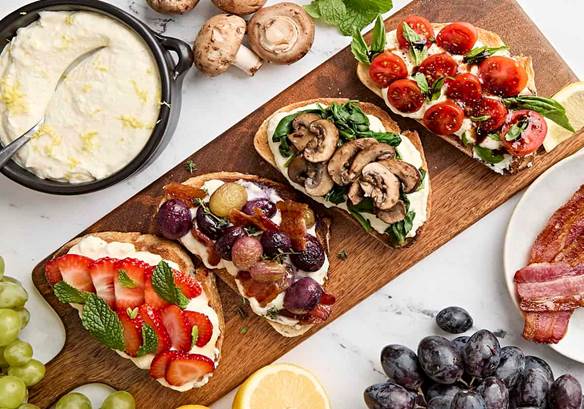
But when it comes to ricotta, quality makes a difference, so this isn’t an ingredient you’d want to chince on. This is why it’s common for chefs to source fresh ricotta — often even making their own in-house. They say fresh ricotta tends to be creamier and less grainy, closer to the cheese's original character.
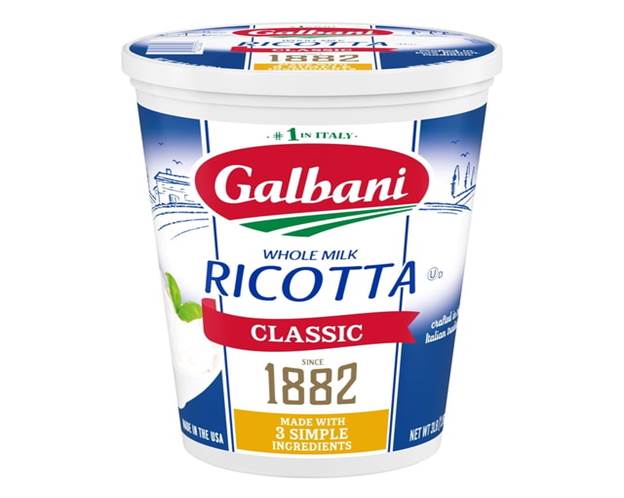
But what if you can’t or don’t care to make your own? Chefs nationwide were polled as to the best alternatives, and they typically voted for BelGioioso®, Polly-O®, Calabro®, and Galbani® (the market share leader in the U.S.).
I’ll close with an easy recipe for a fruit or veggie dip that’s a real crowd-pleaser. When blended in a food processor, ricotta becomes smooth and creamy yet retains its density. Stir in a swirl of maple syrup and a hint of vanilla, and it makes a lovely accompaniment to a fruit platter. See what you think:
Sweet Whipped Ricotta
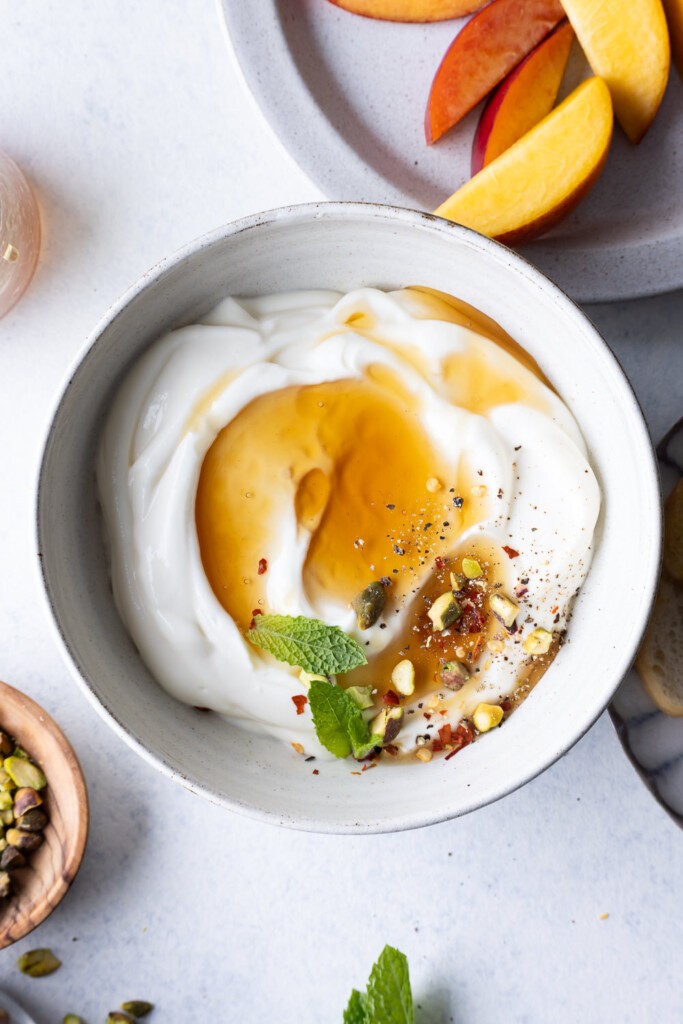
1 pint part-skim ricotta cheese
1/2 teaspoon pure vanilla extract
1 1/2 tablespoons pure maple syrup
Directions:
Recipe formatted with the Cook'n Recipe Software from DVO Enterprises.
 Alice Osborne
Weekly Newsletter Contributor since 2006
Email the author! alice@dvo.com
www.samsclub.com
www.thepkpway.com
www.budgetbytes.com
www.withspice.com