
Marinate Chicken the Way the Pros Do!
Martha Stewart shared this information in her newsletter, and it’s too good not to pass on:
Professional chefs tell us there’s a right and a wrong way to marinate chicken, and doing it the right way literally transforms both its flavor and texture. To avoid common mistakes, here are tips from top chefs on which ingredients to use, how long to marinate, and even how to marinate chicken after it's cooked.
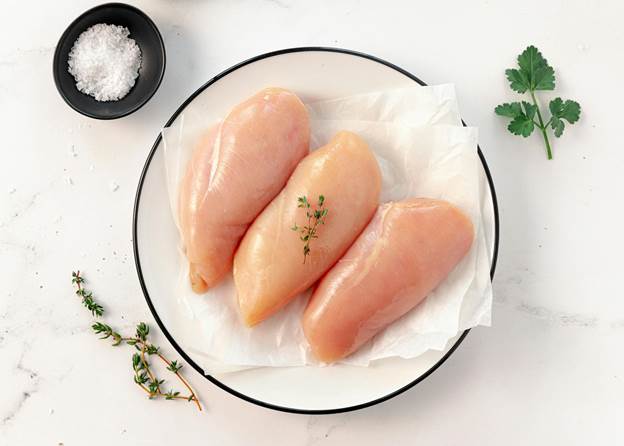
First though, why bother marinating chicken? It’s important because when done correctly, it tenderizes the meat, enhances its flavor, and turns out a deliciously moist chicken dish. No more rubbery, super-chewy, bland chicken!
There are three main types of marinades for chicken, and it matters greatly which one you use because each type changes the chicken's texture, moisture, and marinating time.
ACIDIC MARINADE. As the name suggests, an acidic marinade contains acid, such as wine, citrus juice, balsamic vinegar, and buttermilk. Acids work by denaturing (i.e., weakening) proteins in the chicken, resulting in softer meat. They also create pockets in the chicken, allowing it to soak up flavor. However, the acid should be diluted with other ingredients (like soy sauce or vegetable oil), as they can make protein mushy if used undiluted. These are best for short soaks.
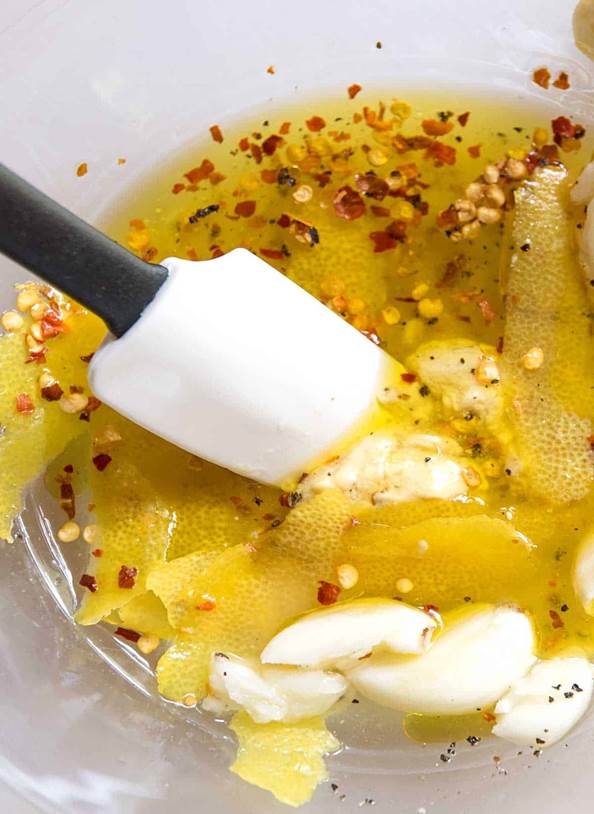
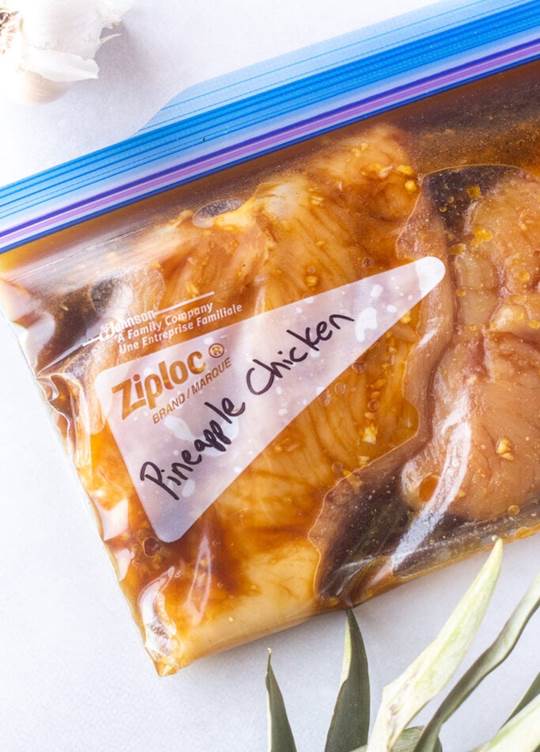
ENZYMATIC MARINADE. This uses enzymes (a molecule that triggers a chemical reaction) to break down of protein fibers and collagen), which makes the chicken tender. Foods with natural enzymes include Asian pears kiwi, pineapple, and papaya. This is an especially good marinade for tough pieces as the enzymes work deeply on the protein.
OIL MARINADE. An oil-based marinade consists of oil (fat) and spices. The oil helps moisten the meat. To ensure the oil penetrates the chicken, pierce the chicken first. This is a good choice for lean proteins—of which chicken tops the list. This marinade is safe for longer marinating times—there’s no risk of ruining the texture, and it also protects chicken from burning on a hot grill.
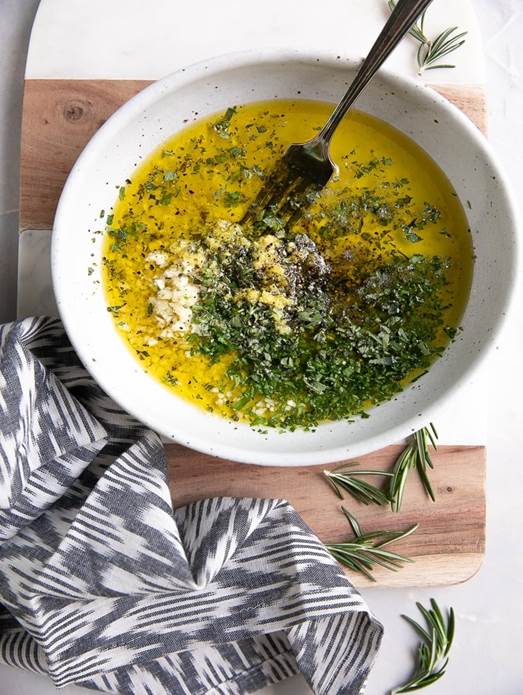
There’s a Basic Marinade Formula to Follow: A 2-to-1 or 3-to-1 fat-to-acid ratio is standard, depending on the strength of acid. But note that it's essential to avoid using too much (or too strong) an acid, as it will cause the chicken to develop that above-mentioned mushiness.
You Can Marinate AFTER Cooking, Too! Although chicken is traditionally marinated before it's cooked, you can also do it after, although technically this isn’t marinating, it’s “resting” the meat. Resting meats can absorb up to 50% of their weight in [the] liquid in which they sit. But note: this process adds flavor but won’t tenderize like true marinating does.
There Are Best Practices to Follow for Safety’s Sake. There are four things to know and do:
1. ALWAYS marinate in the refrigerator. NEVER marinate on the countertop or at room temperature. Doing so increases the risk of foodborne illness, as bacteria from the uncooked chicken can contaminate nearby food or equipment.
2. Place the marinating dish on the bottom shelf (the coolest part of the fridge), to prevent cross-contamination. Another reason: if chicken is placed on an upper shelf and juices leak from the dish, it can contaminate other food stored on lower shelves.
3. Fully cover chicken during marination to prevent the spread of bacteria. Glass, food-grade plastic, or stainless-steel containers with tight-fitting lids work best.
4. Toss the marinade after soaking raw chicken. NEVER use it as a baste or serve it with the dish unless you've boiled it first. Once it reaches 165 degrees Fahrenheit (the temperature needed to destroy illness-causing bacteria), it will be safe to serve.
Mastering professional chicken marination is about balance and precise timing. Apply the above steps and you’ll get restaurant-quality results at home!
 Alice Osborne
Weekly Newsletter Contributor since 2006
Email the author! alice@dvo.com