
The Secret to Better Sandwiches, Salads, and Everything Else
Hey chefs,
There are certain things we tend to think of as ingredients rather than recipes.
Mayonnaise. Salad dressing. Vinaigrette. Aioli. Mustard sauce. Burger sauce. Dips.
We open the refrigerator, grab a bottle, squeeze some onto dinner, and move on.
And there is absolutely nothing wrong with that. I keep plenty of store-bought condiments around my own kitchen.
But learning how to make a few of them yourself is one of those surprisingly small culinary skills that can completely change the way you cook.
A homemade dressing can turn a bowl of vegetables into something you actually look forward to eating. A spoonful of flavored mayonnaise can make a simple sandwich feel like it came from a really good café. A quick vinaigrette can become a marinade, salad dressing, grain-bowl sauce, or finishing drizzle.
Even better, most of them take only a few minutes.
The trick is understanding what makes them work.
A Good Condiment Is More Than Something Wet You Put on Food
At its best, a condiment does several jobs simultaneously.
It can add:
- Fat
- Acidity
- Salt
- Sweetness
- Heat
- Aromatics
- Moisture
- Contrast
That last one is especially important.
Rich food often benefits from acidity. Lean food often benefits from fat. Soft food becomes more interesting with something sharp or punchy. Bitter greens are friendlier with sweetness and salt.
This is why a squeeze of lemon wakes up fried fish, mustard makes a rich sandwich feel less heavy, and vinaigrette transforms a pile of lettuce into an actual dish.
Condiments are essentially tiny exercises in balancing flavor.
And when you make your own, you control the balance.
Start With the Basic Formula: Fat + Acid + Seasoning
A huge percentage of dressings begin with some version of the same equation:
Fat + acid + salt + flavor
For a basic vinaigrette, that might mean olive oil, vinegar, Dijon mustard, salt, and pepper.
From there, you can take it almost anywhere.
Add honey and you have sweetness.
Add minced shallot for sharpness.
Add garlic for intensity.
Add fresh herbs for freshness.
Add citrus zest for aroma.
Add Parmesan for saltiness and umami.
Add chili crisp, hot sauce, or crushed chile for heat.
Once you understand the structure, you stop needing a different bottled dressing for every salad.
You simply make the one that fits what you are eating.
About That Famous 3-to-1 Vinaigrette Ratio…
Traditional vinaigrettes are often taught using roughly three parts oil to one part vinegar.
It is a useful starting point, but it is definitely not a law.
Modern cooking often leans brighter and more acidic than that.
Personally, I would much rather taste as I go than blindly follow a ratio.
A delicate champagne vinegar might need more acid than a harsh vinegar. Lemon juice behaves differently from balsamic. A dressing going over bitter radicchio may need different proportions than one going over sweet summer tomatoes.
Start somewhere around two or three parts oil to one part acid, whisk it together, and taste it with the food it will actually dress.
That last part matters.
A vinaigrette that tastes slightly intense from a spoon may be perfect once it coats an entire bowl of greens.
Emulsification: The Science Behind Creamy Dressings
Oil and water do not naturally want to stay mixed.
Shake olive oil and vinegar together and they will temporarily combine, then gradually separate again.
That temporary mixture is an emulsion.
Some ingredients help stabilize it.
Dijon mustard is especially useful in vinaigrettes because it adds flavor while helping tiny droplets of oil remain dispersed throughout the watery ingredients.
Mayonnaise takes the same idea considerably further.
Mayonnaise is essentially a stable emulsion of oil and a water-based mixture containing egg.
The egg yolk contains lecithin, an emulsifier that helps oil and water coexist.
Instead of feeling like 180 grams of straight oil—which would be fairly unpleasant—the oil becomes dispersed into microscopic droplets, creating something thick, creamy, and luxurious.
It is one of my favorite examples of kitchen science because the transformation is almost ridiculous.
Egg + oil + acid goes into the container.
A few seconds later: mayonnaise.
The Immersion Blender Changed Homemade Mayo
Traditional mayonnaise is often taught by whisking egg yolks while adding oil painfully slowly.
It works.
It is also unnecessary most of the time.
With an immersion blender, you can add the egg, mustard, lemon juice, salt, and oil to a narrow container, place the blender directly over the egg at the bottom, and turn it on.
Within seconds, mayonnaise begins forming.
Once the bottom has emulsified, slowly lifting the blender incorporates the remaining oil.
It is fast enough that homemade mayonnaise stops feeling like an ambitious culinary project and starts feeling like something you could reasonably make for lunch.
One practical note: if you are serving homemade mayonnaise to children, pregnant people, older adults, or anyone with a compromised immune system, using pasteurized eggs is the safer choice.
Once You Have Mayo, You Have About Fifty Other Sauces
Plain mayonnaise is really just the beginning.
Mix it with roasted garlic and lemon and you have a quick garlic aioli-style sauce.
Add herbs.
Add pesto.
Add chipotle.
Add Dijon.
Add horseradish.
Add curry powder.
Add chopped pickles and capers.
Add lemon zest and lots of black pepper.
That last combination is especially good on sandwiches because the acidity and pepper keep the mayonnaise from tasting heavy.
This is one reason restaurant sandwiches often taste better than the ones we casually assemble at home.
It isn’t necessarily because they contain more ingredients.
Often, the ingredients they do contain have simply been seasoned more intentionally.
Think of Dressings as Finishing Sauces
Salad dressing does not have to live exclusively on salad.
A sharp lemon vinaigrette is excellent over roasted vegetables.
Herb dressing can be spooned over grilled chicken or fish.
A mustard vinaigrette is fantastic over warm potatoes.
Creamy dressings can become sandwich spreads.
Tahini dressing can go over roasted vegetables, grain bowls, chicken, or flatbread.
Even leftover vinaigrette can be tossed with beans, lentils, or grains to create a quick side dish.
Once you stop categorizing these things strictly as “salad dressing,” they become far more useful.
Homemade Doesn’t Automatically Mean Better
There is a temptation in cooking culture to claim that homemade everything is always superior.
It isn’t.
Some bottled condiments are fantastic.
Ketchup is an obvious example. Making ketchup from scratch can be fun, but I am not simmering tomatoes and spices every time I want fries.
Certain mustards, hot sauces, chili crisps, fish sauces, soy sauces, and fermented condiments involve ingredients or processes that are much easier—and sometimes much better—to buy.
The goal isn’t to replace every jar in your refrigerator.
The goal is knowing which homemade versions give you the biggest payoff for the least effort.
For me, vinaigrettes, flavored mayonnaise, yogurt sauces, simple pan sauces, and quick herb dressings are firmly in that category.
Season Every Layer
One of the biggest advantages of homemade sauces is that you can adjust them to the rest of the dish.
If your bacon is salty, your sandwich spread may need less salt.
If your tomatoes are especially sweet, a little extra lemon can create balance.
If your salad contains salty cheese and olives, the vinaigrette probably doesn’t need to be heavily seasoned.
Cooking well isn’t really about making every individual component maximally flavorful.
It is about making the whole dish taste balanced.
Condiments give you a final opportunity to adjust that balance.
Use Acid More Intentionally
If something tastes flat, people often immediately add salt.
Sometimes that works.
Sometimes what the dish actually needs is acid.
A splash of vinegar or squeeze of lemon can make food taste brighter without necessarily making it taste obviously sour.
This is especially useful with rich ingredients like:
- Bacon
- Cheese
- Fried foods
- Mayonnaise
- Avocado
- Fatty meats
- Creamy dressings
Acid creates contrast.
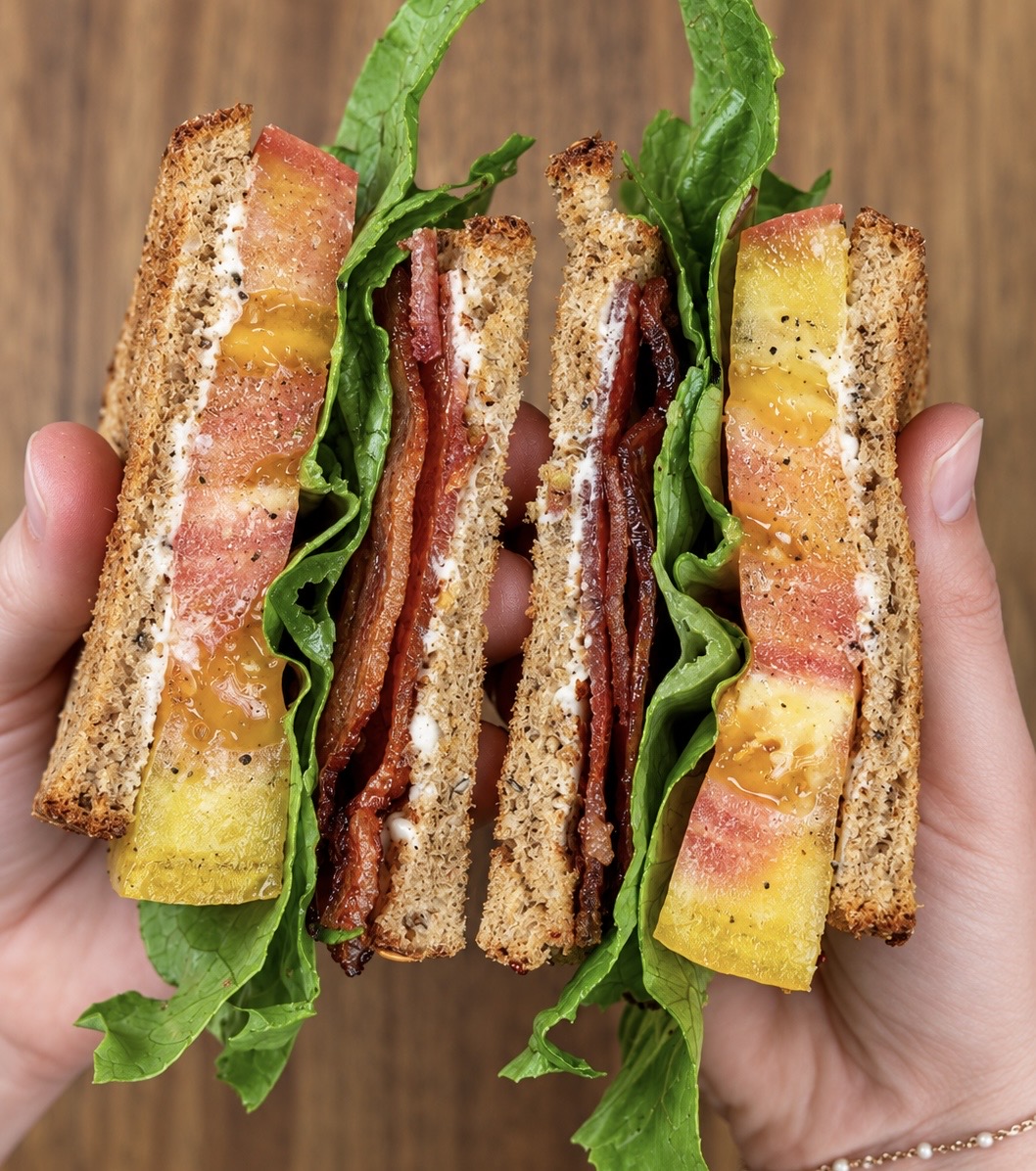
That is why lemon-pepper mayonnaise works so beautifully in a BLT. You still get the richness you want from mayonnaise, but lemon keeps the entire sandwich from becoming heavy.
Don’t Forget Texture
Condiments affect texture just as much as flavor.
A generous layer of mayonnaise adds richness and lubrication to toasted bread.
Vinaigrette softens raw greens.
Thicker sauces cling to roasted vegetables better than watery ones.
And some spreads can actually protect bread from moisture.
If you’re building a sandwich with something especially juicy—like a peak-season heirloom tomato—a layer of mayonnaise creates a bit of a barrier between the tomato and toast.
It won’t keep the sandwich dry forever, but it certainly helps long enough for you to eat it.
Your Refrigerator Can Become a Flavor Toolbox
Instead of buying ten different bottled dressings, I like the idea of keeping a few useful building blocks around.
Good mustard.
A couple of vinegars.
Fresh lemons.
Neutral oil.
Olive oil.
Eggs.
Garlic.
Fresh herbs when you have them.
Maybe Greek yogurt.
From those ingredients, you can make an enormous variety of sauces without much planning at all.
And unlike a bottle of highly specific dressing that gets used twice and disappears behind the pickles for eight months, these ingredients can be used throughout your cooking.
A Few Combinations Worth Memorizing
You don’t necessarily need recipes for every sauce once you understand the basic structures.
Try combinations like:
Lemon + Dijon + olive oil + shallot
Bright and versatile for greens, chicken, vegetables, or grains.
Balsamic + olive oil + Dijon + honey
Great with tomatoes, fruit, roasted squash, or bitter greens.
Greek yogurt + lemon + garlic + herbs
Excellent with grilled meat, vegetables, grain bowls, or flatbread.
Mayo + Dijon + lemon + black pepper
Perfect for sandwiches and burgers.
Mayo + pickles + mustard + lemon
A quick tartar- or burger-sauce direction.
Tahini + lemon + garlic + water
Nutty, creamy, and fantastic with roasted vegetables.
The exact measurements matter less once you learn how the components behave.
Taste.
Adjust.
Taste again.
That is cooking.
The Perfect Place to Start: A BLT
If you’ve never bothered making your own mayonnaise, I actually think a BLT is one of the best reasons to try.
There are so few ingredients in the sandwich that every one of them matters.
Crisp bacon.
Good bread.
Crunchy lettuce.
A genuinely ripe tomato.
And mayonnaise.
When the tomato is at its peak, the goal isn’t to bury it underneath twelve toppings. It is to support it.
A lemon-pepper mayonnaise brings fat, acid, seasoning, and just enough brightness to tie everything together without competing with the tomato.
And once you’ve made mayonnaise yourself and realized it took roughly a minute, you may start looking at that bottle in the refrigerator a little differently.
Not because you need to make everything from scratch.
But because now you know you can.
And sometimes the smallest homemade element is the thing that makes an otherwise ordinary meal feel completely different.
Try this Heirloom Tomato BLT with Homemade Lemon-Pepper Mayo recipe and you'll see exactly what I mean!
 Brennah Van Wagoner
Weekly Newsletter Contributor since 2025
Email the author! brennah.oaks@gmail.com