
Plastic Wrap No-Nos
Wouldn’t you agree it’s a kitchen staple? I know I reach for it without a second thought — to cover leftovers, seal a bowl, wrap a sandwich, and so on. Turns out, though, if it’s used the wrong way, it will compromise food safety, ruin texture, or even pose a hazard. Here's where we should put the roll down:
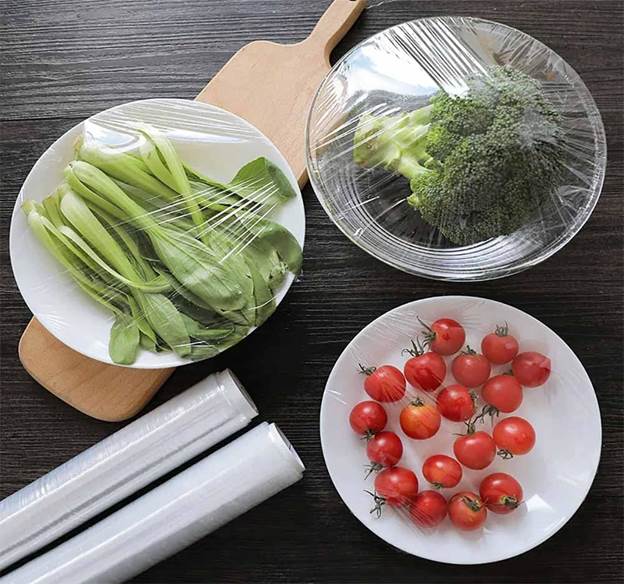
First of all, plastic wrap should never be used above 212°F, which rules out conventional ovens, stovetops, toaster ovens, slow cookers, pressure cookers, air fryers, and grills entirely. High heat weakens the plastic and speeds up the release of chemicals, which can migrate into whatever it's touching. Fatty and sugary foods are a particular concern, since they heat up faster and can cause the wrap to melt, warp, or break apart.
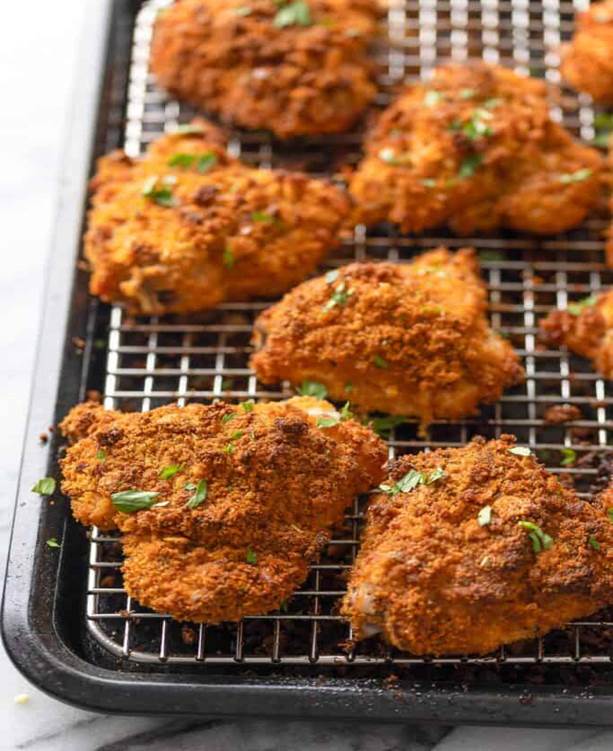
If you've ever wrapped leftover fried chicken or French fries only to find them soggy the next day, plastic wrap is the culprit. Because it's airtight, trapped steam from fried food has nowhere to go, condensing against the plastic and dripping back onto the coating, turning it mushy. Placing a wire rack inside a baking sheet, and loosely tenting your food with parchment or a paper towel, is best because air can keep moving and the chicken or fires can maintain their crispness.
Now to the microwave: Plastic wrap isn't automatically off-limits in the microwave, but it requires care. Only wrap marked "microwave safe" should be used, though, since other varieties can't handle high heat and may melt or leach chemicals into food. But take care that the wrap never touches the food directly. This is especially important for fatty or oily dishes, which heat faster and increase melting risk. And it should be vented so steam can escape, since trapped steam can melt the plastic or even cause it to burst.
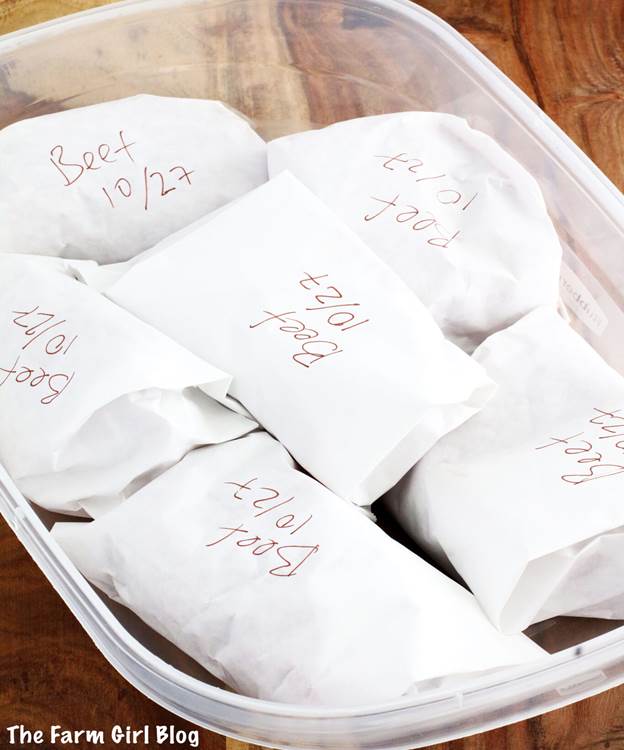
Heat issues aside, there’s the question around using it for freezer storage. Simply put, only use it for short term freezing. Plastic wrap alone isn't built for the freezer long-term. While it helps reduce air exposure, it doesn't provide enough protection against freezer burn by itself. Foil, freezer bags, or wax-coated freezer paper offer much better protection.
Lastly, it may seem sensible to wrap cheese in it, since store-bought cheese often arrives wrapped in plastic, but cheese is one of the worst foods to wrap yourself. Direct contact between plastic wrap and cheese runs counter to a basic rule of using it: plastic wrap shouldn't touch the food it's covering. Cheese paper, wax paper, or a breathable container helps it age and breathe properly instead of sweating and absorbing off-flavors.
So, to sum up: while plastic wrap is convenient, it isn't a universal solution. Keeping it away from high heat, hot fried food, unvented microwave use, long-term freezing, and direct contact with cheese will help you avoid the most common — and most costly — mistakes.
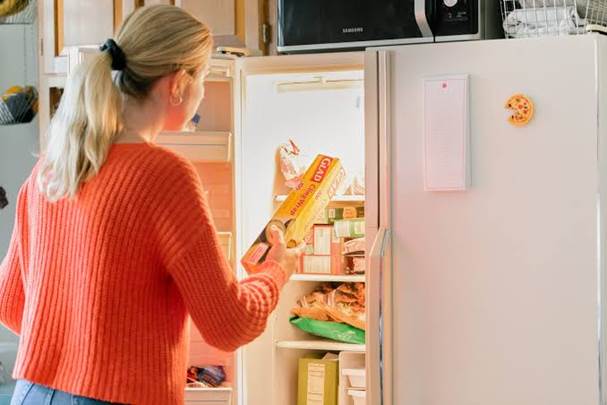
As I close, I’ll leave the DON’TS and share a DO: to eliminate static cling, store it in the freezer if you have the room!
 Alice Osborne
DVO Newsletter Contributor since 2006
Email the author! alice@dvo.com
www.ellmanpc.com
www.asaucykitchen.com
www.fieldstofeasts.com
www.thekitchn.com