
A Culinary Tradition with Rich Flavor, Long Shelf Life, and Amazing Versatility
The tradition I’m referring to is the making of apple butter. It has a history way older than its modern reputation as a fall farmers-market staple. Long before refrigeration or canning existed, it was a practical solution to a seasonal problem — and that origin still shapes how it's made and used today.
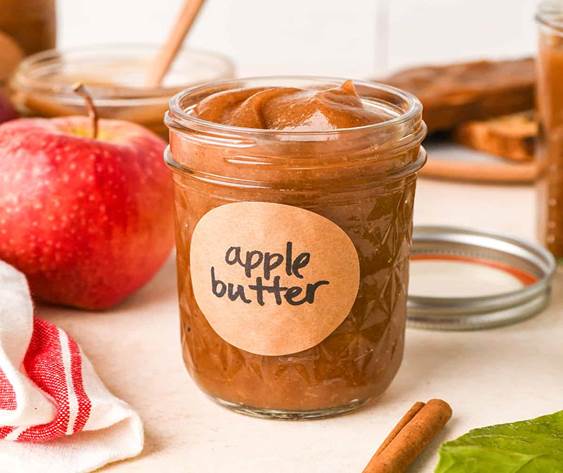
Historians say apple butter originated in the Limburg region (spanning present-day Belgium and the Netherlands) and the Rhineland in Germany. It showed up during the Middle Ages in monasteries with large orchards. Making this treat was an efficient way for the monks to preserve part of their fruit harvest, and at one point nearly every village in the region had its own apple butter producers. The process was straightforward but labor-intensive: apples, cider, and spices were cooked down slowly in large kettles, requiring constant stirring.
When immigrants (who eventually became known as Pennsylvania Dutch) settled in colonial America, they brought apple butter-making traditions with them, which is how the spread became so closely tied to early American cuisine.
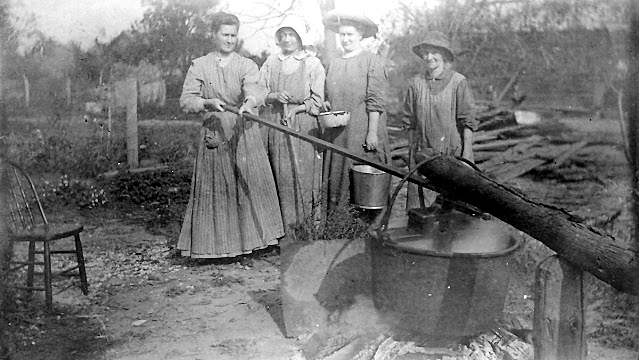
Making apple butter turned into a genuine social event in colonial communities. Families and neighbors would gather for a full day of paring, cutting, and stirring, turning a practical preservation task into a popular shared tradition. It wasn’t long before this tradition migrated. As the Pennsylvania Dutch continued to move west, apple butter festivals took root throughout America. Celebrating that heritage still take place in many parts of the country today.
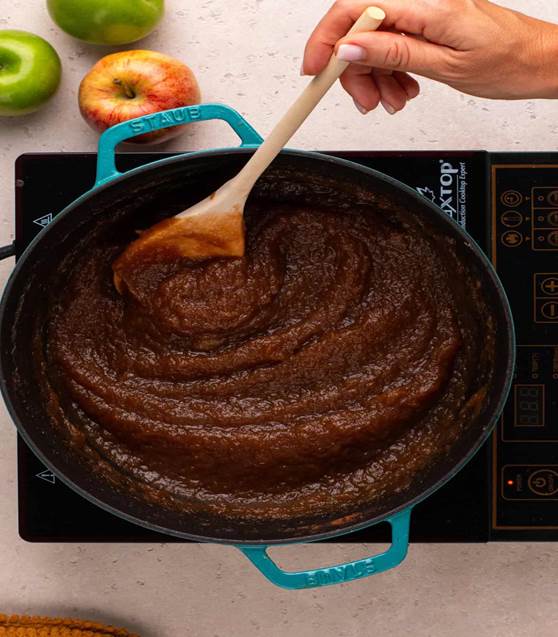
Like applesauce, apple butter is seasoned with cinnamon, allspice, and cloves. But that’s where the similarity ends. It's a much more concentrated form of applesauce, due to the hours of slow cooking in juice or water until the natural sugars caramelize, giving it a deep brown color. That sugar concentration is also what gives apple butter a considerably longer shelf life than standard applesauce. This long cooking process turns it from a sauce to a preserve.
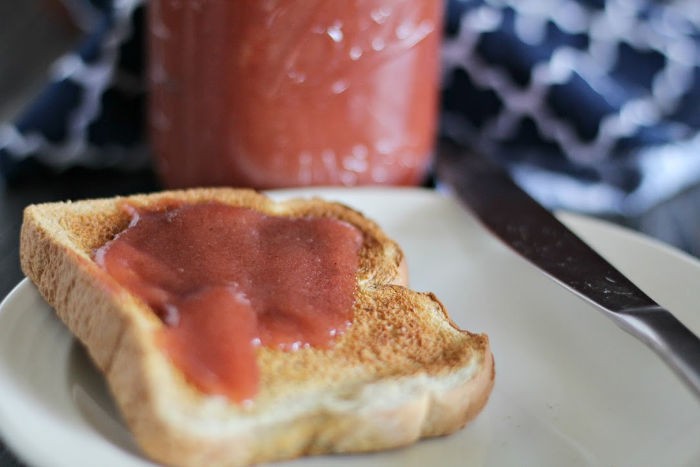
Following Dutch and German tradition, apple butter is commonly served on bread alongside cheese, and in America it's popular as a syrup-like topping for baked goods (biscuits, muffins, scones) and pancakes, waffles, and French toast. And besides sweet applications, apple butter has a savory use also—it makes a delicious glaze for pork or chicken.
Thanks to the slow cooker, we can now make it without all the demanding attention it took back in the day. And this is great news, since really good apple butter is very hard to find in most grocery stores. With that said, I’ll close with a decades-old favorite recipe for this traditional seasonal treat. You’ll love how fragrant it is—the whole house will smell like deliciousness!
Classic Apple Butter
12 cored, peeled, chopped apples (fill the slow cooker)
4 cups sugar
4 teaspoons cinnamon
1/2 teaspoon ground cloves
1/4 teaspoon salt
1/4 cup cinnamon red hots (optional)
Directions:
2. Cover in sugar, cinnamon, cloves, salt, and red hots.
3. Cook on HIGH for 1 hour.
4. Lower the heat and continue cooking for an additional 3 to 4 hours.
5. Run cooked apples through a blender until smooth.
6. Return apples to slow cooker and cook for the remainder of the day (total cooking time about 9 hours).
7. In the evening, canning jars and seal.
NOTES:
The mixtures thickens as it cools. You can easily experiment with this recipe by adding ginger or cardamom for a subtle, zesty, or slightly exotic kick. And including vanilla or
It will last for about two weeks in the refrigerator.
Recipe formatted with the Cook'n Recipe Software from DVO Enterprises.
 Alice Osborne
DVO Newsletter Contributor since 2006
Email the author! alice@dvo.com
www.joyfoodsunshine.com
www.vintageeveryday.com
www.mybakingaddiction.com
www.foodstoragemoms.com