
Do You Know the Difference Between White Vinegar and Cleaning Vinegar?
Vinegar, in general, is made by a two-step natural fermentation process that turns plant sugars into alcohol and then into acetic acid. First, yeast converts sugars from sources like fruits or grains into alcohol. Next, acetic acid bacteria expose that alcohol to oxygen, turning it into the sour liquid we call vinegar. History shows it’s been around for more than 10,000 years.

Walk down the vinegar aisle and you'll likely spot two similar-looking bottles: plain white vinegar and "cleaning vinegar." They look nearly identical, smell the same, and are often shelved side by side — but they're not interchangeable, and understanding the difference matters for both your recipes and your cleaning routine.
The core difference? It’s acidity. The main distinction between the two comes down to acetic acid concentration. Standard white distilled vinegar, the kind used in cooking, pickling, and salad dressings, typically contains about 5% acetic acid. Cleaning vinegar, by contrast, is formulated at a higher concentration — usually around 6%. That may sound like a small jump, but it actually makes cleaning vinegar roughly 20% more acidic and correspondingly more powerful at cutting through grease, mineral deposits, and grime.
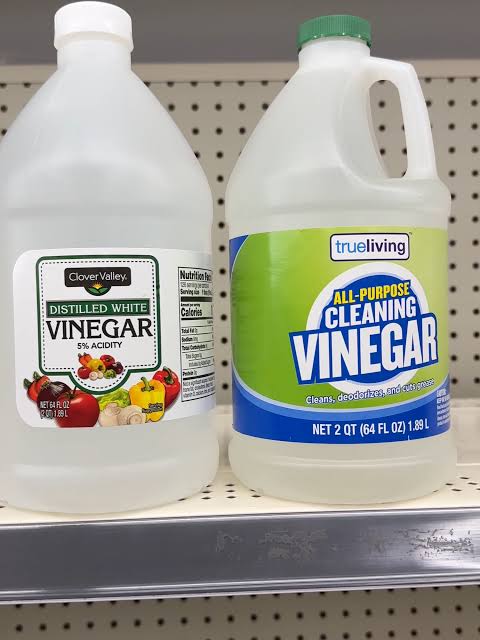
Another key difference is purity. White cooking vinegar is produced and regulated for food safety, meaning it's held to standards for human consumption. Cleaning vinegar, on the other hand, is labeled for household and industrial cleaning use only — it is not intended to be ingested, and manufacturers do not hold it to the same food-grade purity standards. It may be produced from lower-grade sources or include trace impurities acceptable for cleaning but not necessarily desirable in food.
Why does the difference matter? Because of these distinctions, the two products serve different purposes:
· White vinegar (5%) is best suited for the kitchen — pickling vegetables, deglazing pans, brightening sauces, or dressing salads. Its acidity is calibrated to be safe and palatable for consumption.
· Cleaning vinegar (6%) is better suited for tackling household grime: dissolving hard water stains, cutting through soap scum, deodorizing drains, or freshening laundry. The extra acidity gives it more cleaning power, but it should never be used in food preparation.
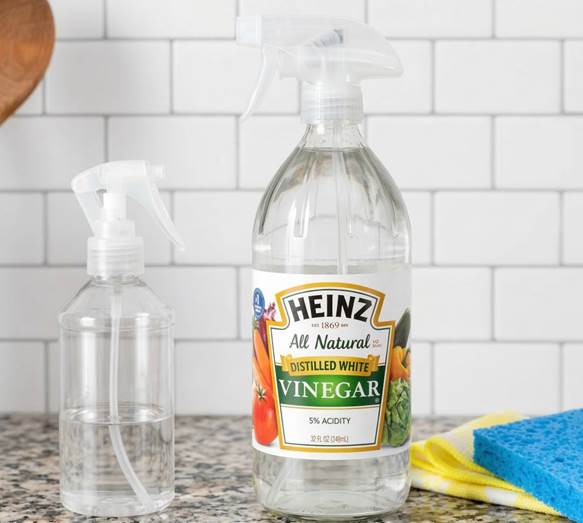
In a pinch, white vinegar can be used for light cleaning tasks, though it may be slightly less effective than cleaning vinegar for heavy-duty jobs. However, cleaning vinegar should never be substituted into recipes — as already mentioned (and is good to be repeated), its unregulated purity and non-food-grade labeling make it unsafe for consumption.
So the bottom line? White vinegar belongs in your pantry; cleaning vinegar belongs under your sink. Keeping the two separate — and clearly labeled — ensures you get the best results (and stay safe) whether you're dressing a salad or scrubbing a bathtub.
 Alice Osborne
Weekly Newsletter Contributor since 2006
Email the author! alice@dvo.com
www.youtube.com
www.tiktok.com
www.homedit.com