
HOW Could I NOT Know This?
I started learning to work seriously in our kitchen when I was about 12 years old. Now I’m 77, and I cannot believe I’ve gotten this old and NOT known this!
I’m talking about what the drawer under the stove is really for. I can confidently say this was one kitchen feature I was actually misusing.
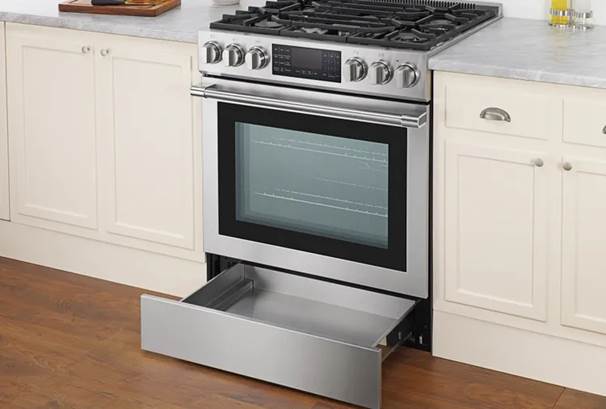
According to seasoned researcher/writer, Caroline Lubinsky, it’s common for this drawer to be misused. But she adds, “Knowing the purpose of your oven drawer helps you use it safely and maximize its functionality in your kitchen.”
Most homeowners assume the drawer beneath their oven is for storage—but that’s not always the case. Depending on the oven’s brand, heat source, age, and price, the purpose may actually vary. Here’s what Caroline says appliance experts say are the specific uses for an oven drawer and how to make the most of it.
Traditionally, back in the day, the lower drawer was designed as a storage space for cookware, especially in basic gas and electric ranges. Today, though, many brands have repurposed it.
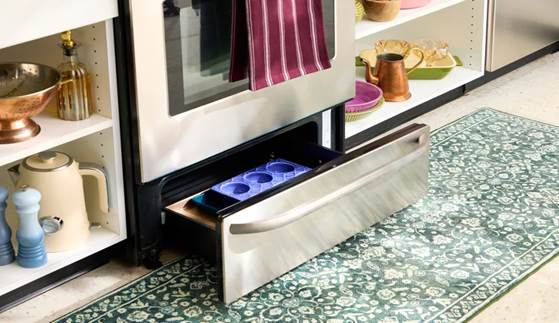
For instance, it may be a warming drawer, a place best used to keep already-cooked items (think proteins, roasted veggies, freshly baked items) toasty before serving. Depending on the oven’s model, this drawer may also be used as a proofing box.
In older gas ranges, the stove drawer could be a broiler. However, with the invention of the self-cleaning oven, the broiler was moved into the oven compartment, allowing the drawer to function as a storage space.
So what is your oven drawer designed for? Here’s how to tell:
· The first place to check on your drawer’s purpose is the appliance’s control panel. Warming or broiler drawers almost always have a labeled knob, button, or temperature setting separate from the oven controls. Inside the drawer, metal racks, vents, or heating elements signal an active function, while a plain, unfinished cavity without controls is typically intended for storage.
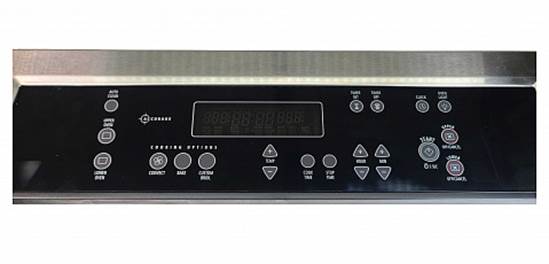
· If you’re still unsure, check the oven’s owner’s manual. If you don’t have a manual, you can look it up online using the model number and brand name. If the manufacturer doesn’t label the drawer as storage, you should always assume it generates heat and avoid using it for such purposes.
If it looks like your drawer is only meant for storage, there are few things to keep in mind to store safely:
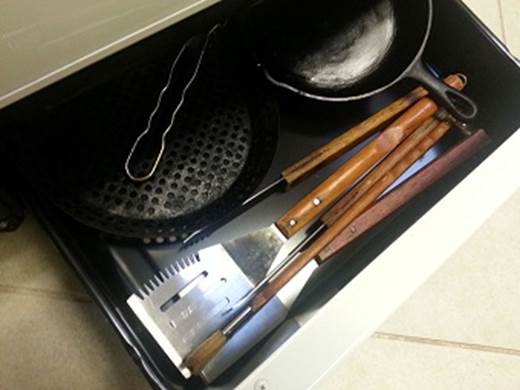
· Keep in mind that this drawer is still exposed to heat from the oven above, so there are just some things that shouldn’t go there. While good for roasting pans and cast iron, you won’t want to fill it with plastics, paper products, cleaning supplies or anything else flammable. Residual heat can warp materials or even start a fire. And know that cookware with rubberized handles will degrade over time when stored in a heated drawer.
· Blocking vents or airflow inside the drawer can also interfere with the oven’s ability to regulate temperature properly. Restricted airflow can lead to uneven cooking, overheating components, and unnecessary wear on the oven itself.
After reading this, I’m embarrassed. It’s a wonder I didn’t start a fire in our kitchen. And then there was the time we inherited an oven in a house we bought that had the broiler in the drawer. Only I didn’t know that then. I just assumed this oven didn’t have a broil feature. I’m just shaking my head at my lack of awareness around this concept. ANYway, I’ll close by asking, am I the only one that didn’t know this stuff? If you have a minute, leave a comment and share your thoughts or experience with oven drawers.
 Alice Osborne
Weekly Newsletter Contributor since 2006
Email the author! alice@dvo.com