
Humble Peanut Butter is A Perfect Addition to A Pro-Aging Diet!
I hear from a lot of our readers who are 60 and older. They say they like information on how to eat healthier. I love it when I get specific input regarding content. With this direction in mind, here’s something good to know about one of our favorite foods—peanut butter.
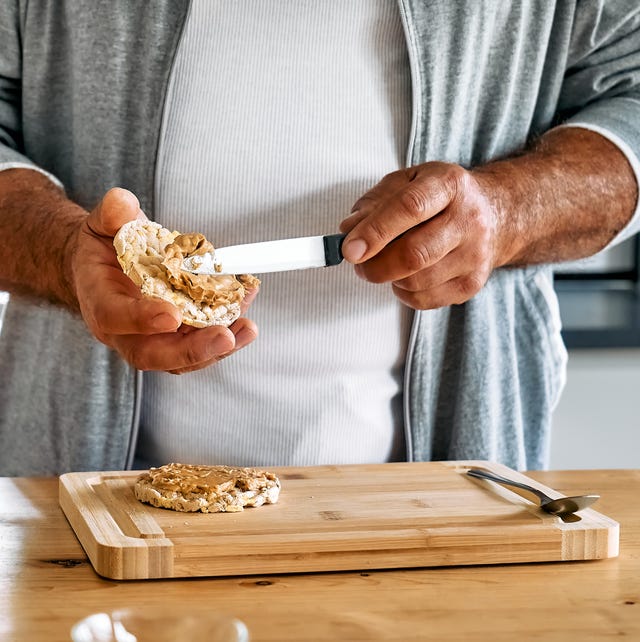
For adults aged 60 and older, maintaining independence often hinges on preserving muscle strength and managing chronic health conditions. While often considered a simple childhood staple, recent and abundant research shows that peanut butter is a nutritional powerhouse that can play a significant role in healthy aging. Packed with protein, healthy fats, and essential micronutrients, this affordable pantry staple offers targeted benefits for seniors (or anyone interested in aging well), particularly when incorporated into a balanced diet.
First of all, the boosting of muscle power and mobility, in detail: One of the most significant risks for seniors is sarcopenia, the age-related loss of muscle mass and function, which increases fall risk and reduces mobility. Many 2026 clinical trials found that older adults who consumed about three tablespoons of natural peanut butter daily for six months experienced significant improvements in lower-body muscle power. Specifically, participants improved their ability to perform daily tasks, such as standing up from a chair (measured by the five-times sit-to-stand test). The study noted that the high plant-based protein content—roughly 10 grams daily from the serving—helped maintain muscle strength without causing weight gain.

Next, the promoting of heart health in detail: Peanut butter is rich in monounsaturated and polyunsaturated fats, which are similar to those found in olive oil and are known to support heart health. These fats help raise "good" cholesterol (HDL) while lowering "bad" cholesterol (LDL), reducing the risk of cardiovascular diseases. Furthermore, peanuts are a natural source of arginine, an amino acid that supports healthy blood vessel function, reducing the potential for cardiovascular issues.
Finally, nutrient-density and ease of eating in detail: As appetite naturally decreases with age, seniors need nutrient-dense, calorie-dense foods that offer maximum nutrition in small portions. Peanut butter is high in magnesium, which supports muscle and bone health, as well as vitamin E and niacin, which are linked to improved cognitive function and a reduced risk of Alzheimer’s disease. Additionally, for those with dental issues or difficulties chewing, the soft texture of peanut butter makes it a versatile, accessible protein source that can be easily added to toast, smoothies, or oatmeal.
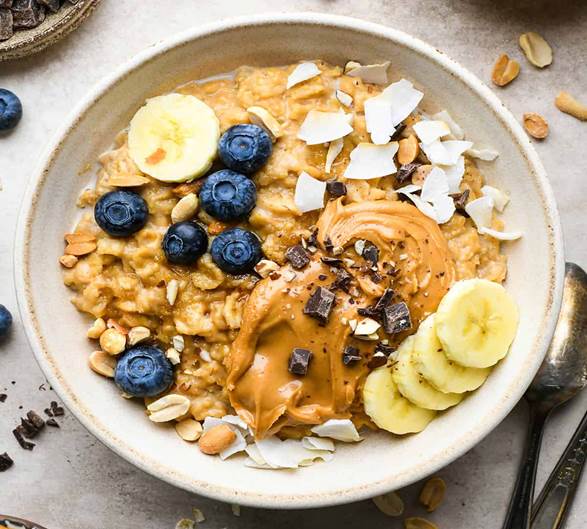
Last word on the subject: You want to be sure it’s NATURAL peanut butter you’re eating—peanuts, only ground up peanuts. Typical store brand peanut butters include other ingredients (mostly to keep the oil from separating and to increase smoothness--totally unnecessary). Natural peanut butter is an inexpensive, accessible food that, when eaten in moderation (such as 1–2 tablespoons daily), can help seniors maintain their physical function and overall wellbeing.
By providing essential protein, supporting heart health, and helping to maintain muscle power, the humble peanut butter is a perfect addition to a pro-aging diet. If you’d like to get more peanut butter into your diet, here’s a recipe I created with my business partner, Chrisann Patch. We call it a whole-grain peanut butter ball. Everyone we’ve tested it on loves it; I think you will, too.
Whole Grain Peanut Butter Ball
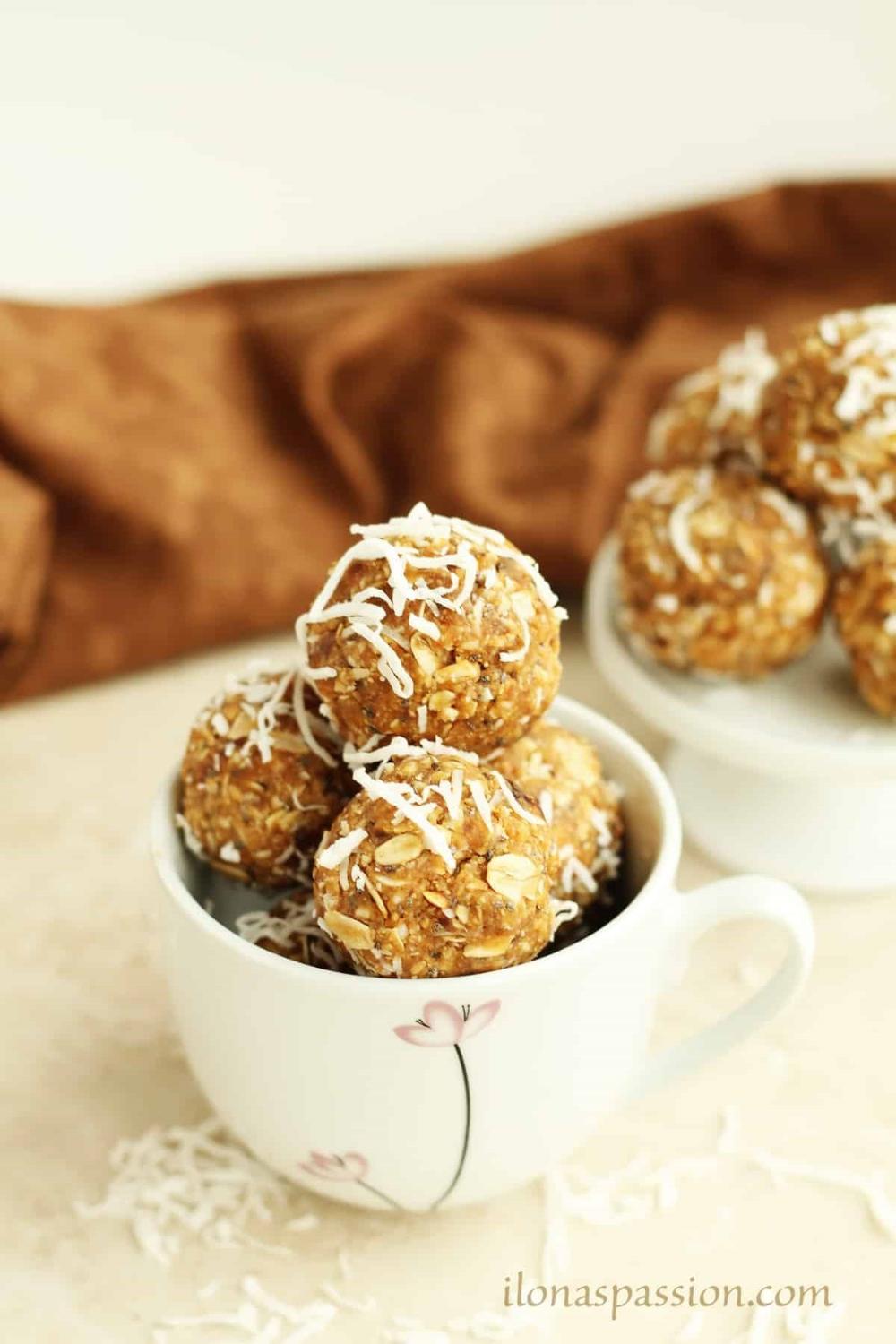
1 cup 100% natural peanut butter
1/2 to 2/3 cups raw honey
1 teaspoon vanilla extract
1/2 cup cooked barley (the whole grain)
1 cup old fashioned oats (dry)
1/2 cup unsweetened, shredded coconut (plus extra for rolling balls)
1/2 cup dried fruit (we use raisins)
Directions:
2. Add cooked barley, oats, shredded coconut, and dried fruit and mix well.
3. Flatten into a parchment-lined or well-greased pan, or roll into golf ball-sized balls.
4. Finish by rolling balls in shredded coconut.
5. Refrigerate for at least 2 hours before serving.
6. Will store for up to 1 week when refrigerated (but they won’t last that long!)
Recipe formatted with the Cook'n Recipe Software from DVO Enterprises.
 Alice Osborne
Weekly Newsletter Contributor since 2006
Email the author! alice@dvo.com
www.menshealth.com
www.snugsafe.com
www.joyfoodsunshine.com
www.llonaspassion.com