
Any Idea What TRULY Removes Fridge Smells? (Hint: It’s NOT Baking Soda!)
Jolie Kerr, cleaning expert and author, shared how to TRULY remove fridge smells with www.seriouseats.com the other day, and it’s worth passing on.

But first, let’s look at what causes it in the first place. Jolie says, “The kinds of odors that plague a fridge are caused by molecules which are emitted from your food and circulate in the fridge’s air. Open the door, and those molecules enter your nose and trigger receptors that make you say "ick!" You can imagine those offending odor molecules as ships, aimlessly wandering the ocean of your fridge, looking for a port. Smooth fridge walls can't hold many ships, but your nose, packed with receptors, makes a very good port.”
So, the goal? Provide a place for those boats to dock before they make it to your nose. Jolie says we want to keep them at bay.
She suggests you first thoroughly clean the inside of the fridge. Be thorough and even clean the drip pan. It catches more than drips; over time foul-smelling water can accumulate. Drip pans are notorious sources of smell situations.
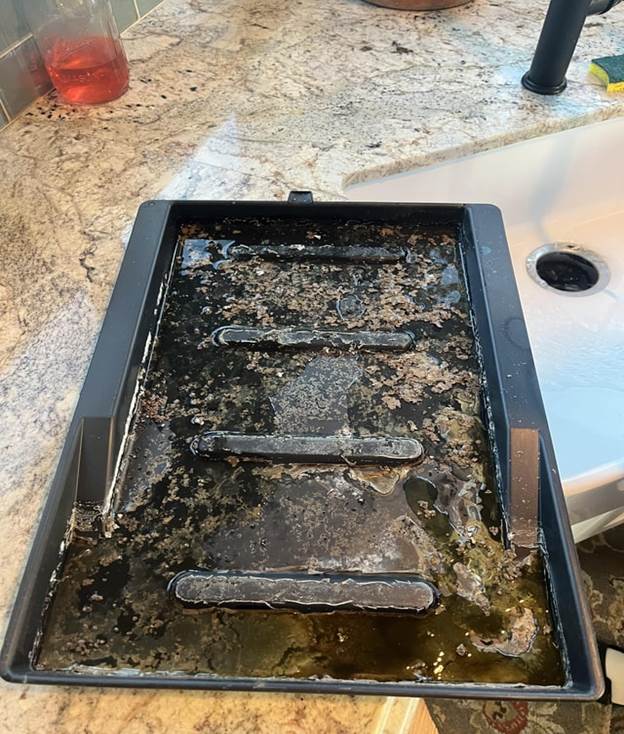
Depending on the model, it’s accessed either from the front (behind a kick plate), or from the fridge back. (Check your manual, or find it online by searching for the brand and model number.) Once removed, it should be cleaned with all-purpose cleaner or bleach solution.
After it’s been removed, cleaned, and replaced, any odor should noticeably improve. That said, a smell could still linger for a while. And of course, you'll want to keep new odors from developing.
Just how do you keep low-level fridge smells at bay? There are two basic approaches to solving a persistent odor problem. (1) Drown it out by introducing other molecules of a less offensive nature (deodorants of the cleaning world), or, (2) take them out of circulation entirely, by providing alternative places for them to dock.
The “deodorant method” is cheap, easy, and relatively effective, but it comes with a few caveats. That's because these products (namely, baking soda, coffee grounds, white vinegar, and gel odor eliminators) emit smells of their own. Smell is very subjective and its success depends on personal taste. So, experiment until you find an appealing odor. But keep in mind that these products don't just have their own odors—they can also impart those smells to other foodstuffs in the refrigerator.
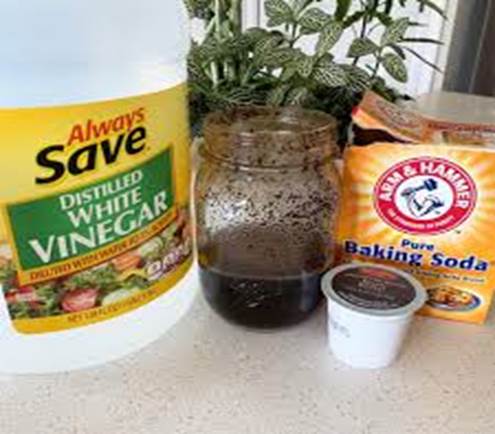
To try this approach, simply set a small bowl in the fridge, filled with either coffee grounds or vinegar (or buy a canister of odor-eliminating gel to keep on a shelf). Just know you may find a new smell invading your fridge and its contents, rather than what you really want—no smell at all.
The “take them out of circulation” option is the best—reduce the number of odor molecules floating around your fridge. This is where so many folks turn to baking soda; it does indeed capture and hold scents (a process called adsorption) by providing a surface on which smelly gaseous molecules can land and adhere.
Compared to, say, the walls of your fridge, baking soda makes for a pretty decent, porous surface, but if you're keeping it in its box, its effects will be limited. For starters, it will need to be in close proximity to the source of your problem. And even then, the relatively small surface area doesn't have the kind of capacity you probably need to neutralize smells.

One solution to this quandary is to decant small amounts of baking soda—say, an eighth to a quarter cup at a time—from the box to a plate or bowl in order to increase the surface area, and then replace it regularly. But that's tedious, right? Thus, baking soda tends to get a thumbs down at stink removal.
So, if baking soda doesn’t do a great job at keeping fridge smells at bay, what does? ACTIVATED CHARCOAL (aka active charcoal, active carbon, and activated carbon). It has a huge ratio of surface area to volume. It's great at trapping offending odor molecules. It's available in brick form, as well as in sachets, though you can also DIY it by pouring loose activated charcoal into small cloth bags, or even a clean sock. It TRULY removes even the toughest fridge smells!
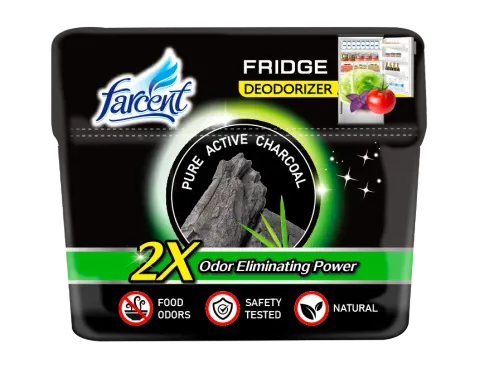
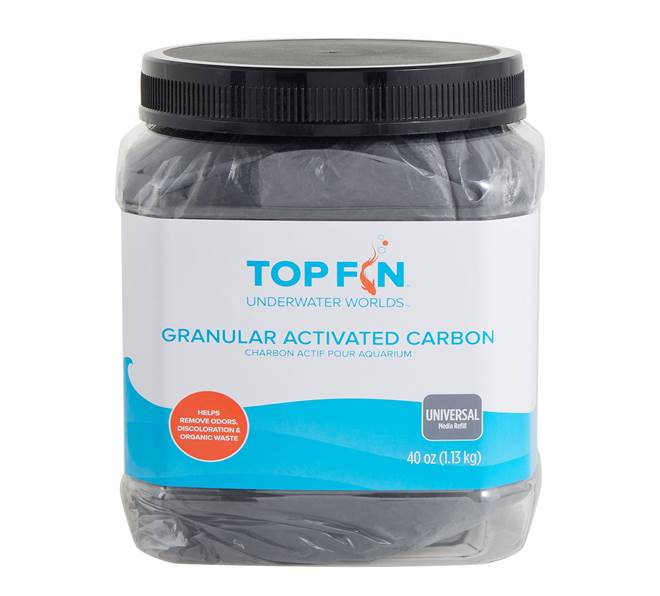
But, its biggest drawback is that it’s expensive. At least, the kind that's labeled “for refrigerator use.” However, because it’s used in aquarium filters, you can get it for a lot less from pet suppliers. The activated charcoal marketed as an odor eliminator costs around 81¢ per ounce, while the same stuff marketed for aquarium filters runs between 34¢-68¢ per ounce.
Aquatic Experts Premium Activated Carbon, Marineland Black Diamond Premium Activated Carbon, Aquatop Forza Premium Activated Carbon, and Top Fin Universal Granular Activated Carbon are four of the most affordable activated charcoal brands available (with Top Fin being the 34¢ per ounce brand).
The bottom line? Folk remedies (baking soda, white vinegar, or coffee grounds), while nontoxic and inexpensive, are dismal at eliminating fridge odors. Look to activated charcoal instead; make your own odor sachets and you’ll save a chunk of change!
And by the way, you can also use them to clear the air in other areas of the home, like a stuffy closet, a musty basement, and the bathroom.
 Alice Osborne
Weekly Newsletter Contributor since 2006
Email the author! alice@dvo.com