
Never miss another recipe... Sign up for our free monthly newsletter today!

Subscribing will not result in more spam!
I guarantee it!


NEWSLETTER
Current Issue
Newsletter Archive
Sign Up Now

TOP SELLERS
Recipe Software
Cook'n Recipe Software

$79.95


Cook'n with Betty Crocker

Betty Crocker Cookbook on CD

$29.95


CONTACT US

Contact Info


I recently purchased your Cook'n Recipe Software and love it! I have tried several other cookbook programs but found them unsatisfactory.

My main goal was to put my own recipes into a system that was easy and quick. I have put in about 20 so far, and I love it. It is so easy to use.

I have tried several of your recipes and they all have been wonderful!

Thank you!!

Debb   Read more...
Helpful Nutrition & Cooking Information

Print this Recipe


Download Cook'n to get nutional information for this recipe

Download Cook'n for Free

Learn more about Cook'n

NUTRITION GUIDELINES

We provide nutrition information for each recipe that includes calories, fat, cholesterol, sodium, carbohydrate, fiber and protein. Individual food choices can be based on this information.

Recommended intake for a daily diet of 2,000 calories as set by the Food and Drug Administration:


Total Fat - Less than 65g
Saturated Fat - Less than 20g

Cholesterol - Less than 300mg

Sodium - Less than 2,400mg

Total Carbohydrate - 300g

Dietary Fiber - 25g


CRITERIA USED FOR CALCULATING NUTRITION INFORMATION

-The first ingredient was used wherever a choice is given (such as 1/3 cup sour cream or plain yogurt)

-The first ingredient amount was used wherever a range is given (such as 3 to 3 1/2 pound cut-up broiler-fryer chicken).

-The first serving number was used wherever a range is given (such as 4 to 6 servings).

-"If desired" ingredients (such as sprinkle with brown sugar, if desired) and recipe variations were not included.

-Only the amount of a marinade or frying oil that is estimated to be absorbed by the food during preparation or cooking was calculated.


COOKING TERMS GLOSSARY

Beat - Mix ingredients vigorously with spoon, fork wire whisk, and hand beater or electric mixer until smooth and uniform.

Boil - Heat liquid until bubbles rise continuously and break on the surface and steam is given off. For rolling boil, the bubbles form rapidly.

Chop - Cut into coarse or fine irregular pieces with a knife, food chopper, blender or food processor.

Cube - Cut into squares 1/2 inch or larger.

Dice - Cut into squares smaller than 1/2 inch.

Grate - Cut into tiny particles, using small rough holes of grater (citrus peel or chocolate).

Grease - Rub the inside surfave of a pan with shortening, using pastry brush, piece of waxed paper or paper towel, to prevent food from sticking during baking (as for some casseroles).

Julienne - Cut into thin, match-line strips, using knife or food processor (vegetables, fruits, meats).

Mix - Combine ingredients in any way that distributes them evenly.

Saute - Cook foods in hot oil or margarine over medium-high heat with frequent tossing and turning motion.

Shred - Cut into long thin pieces by rubbing food across the holes of a shredder as for cheese, or by using knife to slice very thinly, as for cabbage.

Simmer - Cook in liquid just below the boiling point on top of the stove; usually after reducing heat from a boil. Bubbles will rise slowly and break just below the surface.

Stir - Mix ingredients until uniform consistency. Stir once in a while for stirring occasionally, often for stirring frequently and continuously for stirring constantly.

Toss - Tumble ingredients lightly with a lifting motion (such as green salad), usually to coat evenly or mix with another food.


INGREDIENTS USED IN RECIPE TESTING AND NUTRITION CALCULATIONS

-Ingredients used for testing represent those that the majority of consumers use in their homes: large eggs, 2% milk, 80% lean ground beef, canned ready-to-use chicken broth, and vegetable oil spread containing not less than 65 percent fat.

-Fat-free, low-fat or low-sodium products are not used, unless otherwise indicated.

-Solid vegetable shortening (not butter, margarine, nonstick cooking sprays or vegetable oil spread as they can cause sticking problems) is used to grease pans, unless otherwise indicated.


EQUIPMENT USED IN RECIPE TESTING

We use equipment for testing that the majority of consumers use in their homes. If a specific piece of equipment (such as a wire whisk) is necessary for recipe success, it will be listed in the recipe.

-Cookware and bakeware without nonstick coating were used unless otherwise indicated.

-No dark colored, black or insulated bakeware was used.

-When a baking pan is specified in a recipe, a metal pan was used; a baking dish or pie plate means oven-proof glass was used.

-An electric hand mixer was used for mixing only when mixer speeds are specified in the recipe directions. When a mixer speed is not given, a spoon or fork was used.


NUTRITION GUIDELINES

We provide nutrition information for each recipe that includes calories, fat, cholesterol, sodium, carbohydrate, fiber and protein. Individual food choices can be based on this information.

Recommended intake for a daily diet of 2,000 calories as set by the Food and Drug Administration:


Total Fat - Less than 65g
Saturated Fat - Less than 20g

Cholesterol - Less than 300mg

Sodium - Less than 2,400mg

Total Carbohydrate - 300g

Dietary Fiber - 25g


CRITERIA USED FOR CALCULATING NUTRITION INFORMATION

-The first ingredient was used wherever a choice is given (such as 1/3 cup sour cream or plain yogurt)

-The first ingredient amount was used wherever a range is given (such as 3 to 3 1/2 pound cut-up broiler-fryer chicken).

-The first serving number was used wherever a range is given (such as 4 to 6 servings).

-"If desired" ingredients (such as sprinkle with brown sugar, if desired) and recipe variations were not included.

-Only the amount of a marinade or frying oil that is estimated to be absorbed by the food during preparation or cooking was calculated.


COOKING TERMS GLOSSARY

Beat - Mix ingredients vigorously with spoon, fork wire whisk, and hand beater or electric mixer until smooth and uniform.

Boil - Heat liquid until bubbles rise continuously and break on the surface and steam is given off. For rolling boil, the bubbles form rapidly.

Chop - Cut into coarse or fine irregular pieces with a knife, food chopper, blender or food processor.

Cube - Cut into squares 1/2 inch or larger.

Dice - Cut into squares smaller than 1/2 inch.

Grate - Cut into tiny particles, using small rough holes of grater (citrus peel or chocolate).

Grease - Rub the inside surfave of a pan with shortening, using pastry brush, piece of waxed paper or paper towel, to prevent food from sticking during baking (as for some casseroles).

Julienne - Cut into thin, match-line strips, using knife or food processor (vegetables, fruits, meats).

Mix - Combine ingredients in any way that distributes them evenly.

Saute - Cook foods in hot oil or margarine over medium-high heat with frequent tossing and turning motion.

Shred - Cut into long thin pieces by rubbing food across the holes of a shredder as for cheese, or by using knife to slice very thinly, as for cabbage.

Simmer - Cook in liquid just below the boiling point on top of the stove; usually after reducing heat from a boil. Bubbles will rise slowly and break just below the surface.

Stir - Mix ingredients until uniform consistency. Stir once in a while for stirring occasionally, often for stirring frequently and continuously for stirring constantly.

Toss - Tumble ingredients lightly with a lifting motion (such as green salad), usually to coat evenly or mix with another food.


INGREDIENTS USED IN RECIPE TESTING AND NUTRITION CALCULATIONS

-Ingredients used for testing represent those that the majority of consumers use in their homes: large eggs, 2% milk, 80% lean ground beef, canned ready-to-use chicken broth, and vegetable oil spread containing not less than 65 percent fat.

-Fat-free, low-fat or low-sodium products are not used, unless otherwise indicated.

-Solid vegetable shortening (not butter, margarine, nonstick cooking sprays or vegetable oil spread as they can cause sticking problems) is used to grease pans, unless otherwise indicated.


EQUIPMENT USED IN RECIPE TESTING

We use equipment for testing that the majority of consumers use in their homes. If a specific piece of equipment (such as a wire whisk) is necessary for recipe success, it will be listed in the recipe.

-Cookware and bakeware without nonstick coating were used unless otherwise indicated.

-No dark colored, black or insulated bakeware was used.

-When a baking pan is specified in a recipe, a metal pan was used; a baking dish or pie plate means oven-proof glass was used.

-An electric hand mixer was used for mixing only when mixer speeds are specified in the recipe directions. When a mixer speed is not given, a spoon or fork was used.

NUTRITION GUIDELINES

We provide nutrition information for each recipe that includes calories, fat, cholesterol, sodium, carbohydrate, fiber and protein. Individual food choices can be based on this information.

Recommended intake for a daily diet of 2,000 calories as set by the Food and Drug Administration:


Total Fat - Less than 65g
Saturated Fat - Less than 20g

Cholesterol - Less than 300mg

Sodium - Less than 2,400mg

Total Carbohydrate - 300g

Dietary Fiber - 25g


CRITERIA USED FOR CALCULATING NUTRITION INFORMATION

-The first ingredient was used wherever a choice is given (such as 1/3 cup sour cream or plain yogurt)

-The first ingredient amount was used wherever a range is given (such as 3 to 3 1/2 pound cut-up broiler-fryer chicken).

-The first serving number was used wherever a range is given (such as 4 to 6 servings).

-"If desired" ingredients (such as sprinkle with brown sugar, if desired) and recipe variations were not included.

-Only the amount of a marinade or frying oil that is estimated to be absorbed by the food during preparation or cooking was calculated.


COOKING TERMS GLOSSARY

Beat - Mix ingredients vigorously with spoon, fork wire whisk, and hand beater or electric mixer until smooth and uniform.

Boil - Heat liquid until bubbles rise continuously and break on the surface and steam is given off. For rolling boil, the bubbles form rapidly.

Chop - Cut into coarse or fine irregular pieces with a knife, food chopper, blender or food processor.

Cube - Cut into squares 1/2 inch or larger.

Dice - Cut into squares smaller than 1/2 inch.

Grate - Cut into tiny particles, using small rough holes of grater (citrus peel or chocolate).

Grease - Rub the inside surfave of a pan with shortening, using pastry brush, piece of waxed paper or paper towel, to prevent food from sticking during baking (as for some casseroles).

Julienne - Cut into thin, match-line strips, using knife or food processor (vegetables, fruits, meats).

Mix - Combine ingredients in any way that distributes them evenly.

Saute - Cook foods in hot oil or margarine over medium-high heat with frequent tossing and turning motion.

Shred - Cut into long thin pieces by rubbing food across the holes of a shredder as for cheese, or by using knife to slice very thinly, as for cabbage.

Simmer - Cook in liquid just below the boiling point on top of the stove; usually after reducing heat from a boil. Bubbles will rise slowly and break just below the surface.

Stir - Mix ingredients until uniform consistency. Stir once in a while for stirring occasionally, often for stirring frequently and continuously for stirring constantly.

Toss - Tumble ingredients lightly with a lifting motion (such as green salad), usually to coat evenly or mix with another food.


INGREDIENTS USED IN RECIPE TESTING AND NUTRITION CALCULATIONS

-Ingredients used for testing represent those that the majority of consumers use in their homes: large eggs, 2% milk, 80% lean ground beef, canned ready-to-use chicken broth, and vegetable oil spread containing not less than 65 percent fat.

-Fat-free, low-fat or low-sodium products are not used, unless otherwise indicated.

-Solid vegetable shortening (not butter, margarine, nonstick cooking sprays or vegetable oil spread as they can cause sticking problems) is used to grease pans, unless otherwise indicated.


EQUIPMENT USED IN RECIPE TESTING

We use equipment for testing that the majority of consumers use in their homes. If a specific piece of equipment (such as a wire whisk) is necessary for recipe success, it will be listed in the recipe.

-Cookware and bakeware without nonstick coating were used unless otherwise indicated.

-No dark colored, black or insulated bakeware was used.

-When a baking pan is specified in a recipe, a metal pan was used; a baking dish or pie plate means oven-proof glass was used.

-An electric hand mixer was used for mixing only when mixer speeds are specified in the recipe directions. When a mixer speed is not given, a spoon or fork was used.


From "Betty Crocker's Low-Fat, Low-Cholesterol Cooking Today." Text Copyright 2005 General Mills, Inc. Used with permission of the publisher, Wiley Publishing, Inc. All Rights Reserved.

Helpful Nutrition & Cooking Information is from the Cook'n Low Fat collection. Click here to get this CD or download the recipes right now!

Sign up for our free monthly newsletter, with recipes, cooking tips and more!

Enjoy more recipes like this!

A Weeks Worth of Menus
Helpful Nutrition & Cooking Information


Cook'n Organize your recipes with the Cook'n
recipe software


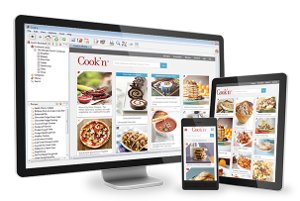
Piles of recipe cards in your drawer? Download the Cook'n Recipe Software today and get organized!

Cook'n Recipe Software
Regular Price: $99.95
Download: $79.95
  
CD: $79.95           
Availability: Usually ships within 24 hours

Download the full version of the Cook'n Recipe Software right now! Includes over 300 of our best recipes.


Affiliate Program | Privacy Policy | Other Resources | Contact Us


© 2008 DVO Enterprises, Inc. All rights reserved.
Sales: 1-888-462-6656