
Do You Know Which Vegetables are BEST for Freezing?
We all know freezing vegetables is an excellent way to reduce food waste and preserve seasonal produce, with many varieties holding their texture and flavor surprisingly well for up to a year. But do you know which vegetables are actually BEST for freezing?
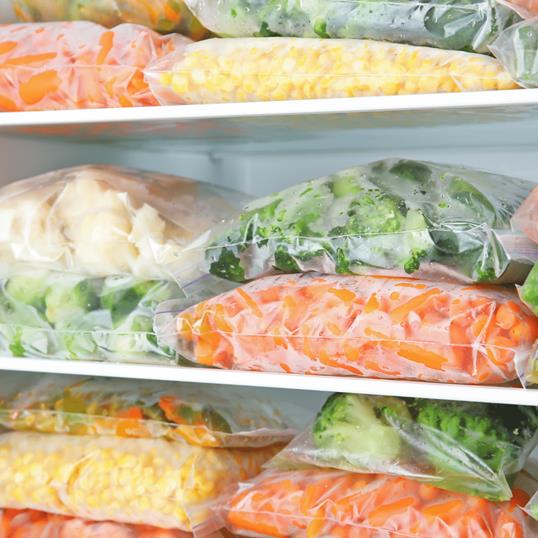
While water-heavy vegetables like lettuce or cucumbers become mushy, others thrive in low temperatures, especially when blanched first. And THAT’S the secret…blanching FIRST. You’ll want to keep this information tucked away for use later in the summer, especially if you garden.
If you’re lucky enough to get a bumper crop of anything on this list (below), you’ll know exactly what to do with ‘em. That said, here are the vegetables that freeze the best and how to prepare them.
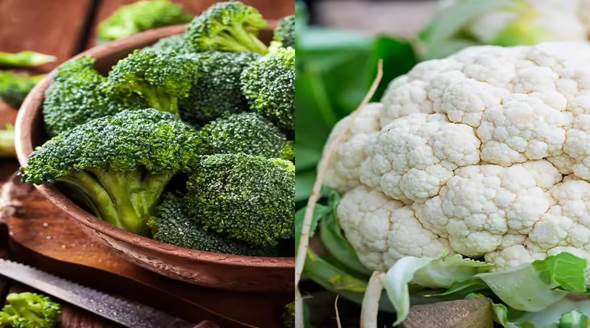
· Broccoli and Cauliflower. These two cruciferous vegetables are among the best for freezing. They retain their structure well, making them ideal for stir-fries, soups, and pasta dishes after thawing. To freeze, break them into bite-sized florets, blanch for 2 minutes, and plunge into an ice bath to stop the cooking process.
· Green Beans and Peas. Green beans and peas are incredibly easy to freeze, largely because they don't require much prep. Trim the ends of green beans and shell peas before blanching them for 1.5 to 2 minutes. They hold their color, crisp-tender texture, and flavor remarkably well.
· Carrots. These also freeze exceptionally well, often lasting up to a year. Peel and slice or dice them into small pieces before blanching for roughly 2 minutes. They are a perfect, convenient addition to future soups or stews. Or cut them into ¼-inch diagonals and plan to use them throughout the winter in your stir fries.
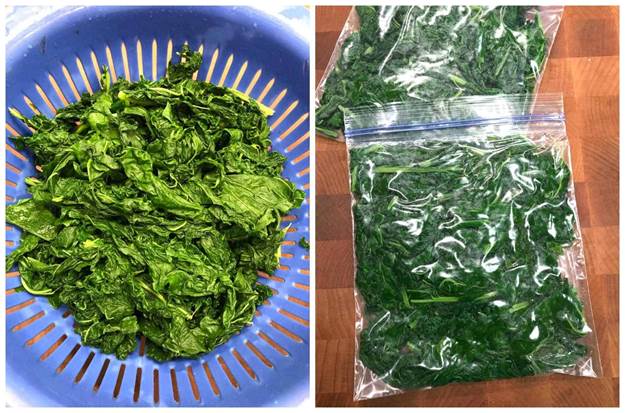
· Leafy Greens (Spinach, Kale, Collards, Chard). Leafy greens are often better frozen than fresh, especially if they’re about to spoil. Blanch them for about 1–1½ minutes, squeeze out as much excess water as possible, and freeze them in sealed bags. They can even be added directly to cooked dishes while still frozen.
· Onions and Bell Peppers. These are favorites because they often do not need to be blanched. Dice or slice them and freeze raw. They are ideal for quick cooking, such as adding to fajitas or pasta sauces.
· Corn. Cutting kernels off the cob and freezing them is a fantastic way to enjoy summer sweetness all year. While you can freeze whole cobs, cutting the kernels off saves freezer space and makes them easier to use in casseroles.
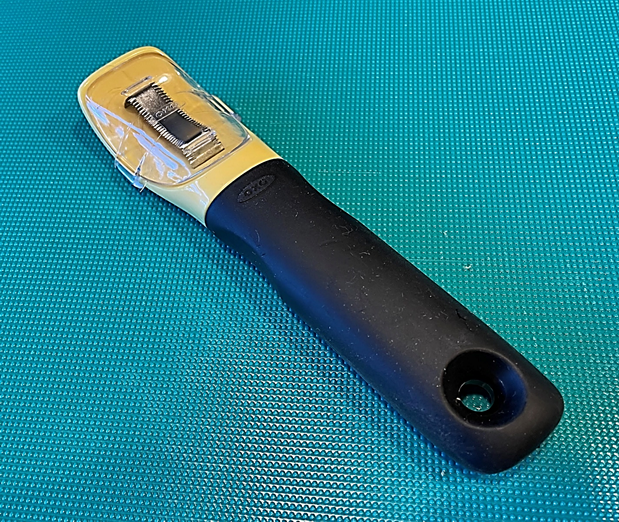
Speaking of cutting corn kernels off the cob, here’s my favorite tool for the job. Officially known as a corn cob stripper, it runs around $13 or $14, but you can find it on sale often. It’s paid for itself many times over. The nice thing about using a tool designed for this job, rather than a kitchen knife, is that it gets more than the kernel. The stripper easily gets right down to the bare cob itself, and this is important because in doing so, you’re accessing the corn “milk,” the spot where the majority of the vitamins and minerals hang out.
Lastly, here three tips for success: (1) To keep vegetables from clumping into a frozen glob, adopt the "tray pack" method: freeze them in a single layer on a cookie sheet for an hour or two before transferring them to a freezer bag. (2) Always label the bags with the date and type of vegetable, and (3) try to use them within 6–12 months to ensure you’re getting the best quality in nutrition, texture, and flavor.
 Alice Osborne
DVO Newsletter Contributor since 2006
Email the author! alice@dvo.com
www.gettystewart.com
www.timesofindia.indiatimes.com
www.daringgourmet.com
www.brilliantlivingus.com