
Pickle Patter You Can Use!
Here’s a topic I bet you don’t see addressed that much: PICKLES. Specifically, refrigerated or shelf-stable—which is best and why? Well, if you’ve ever wondered, read on for what professional chefs have to say on the subject.
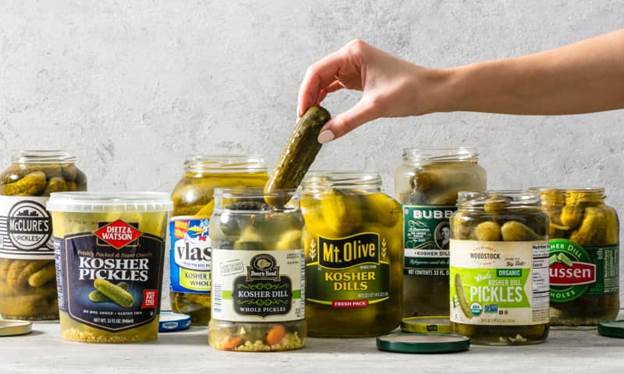
While both refrigerated and shelf-stable pickles are preserved in an acidic brine, the method of preparation, storage, and resulting texture create two distinct culinary experiences. Refrigerated pickles are essentially a "fresh-pack" or "cold-pack" product, found in the dairy, produce, or meat aisle, while shelf-stable pickles are heat-processed and sit in the ambient condiments aisle.
Here’s what the pros say we ought to understand when it comes to choosing between the two:
Refrigerated Pickles (The "Fresh" Option). Refrigerated pickles—such as Claussen, Grillo's, or naturally fermented brands like Bubbies—are never heated during the packing process. Instead, they are packed in a cold or warm brine and immediately refrigerated to stop bacterial growth. Because they are not pasteurized, they retain a superior, snap-crisp texture and a vibrant green color. They tend to have a lighter, fresher, and more nuanced flavor, often tasting more like cucumbers with garlic and herbs.
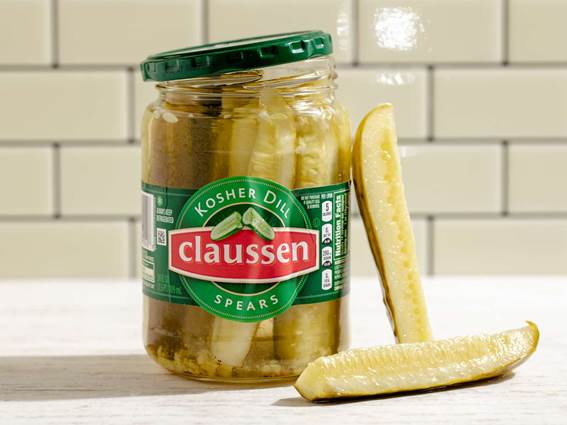
· Pros: Unmatched crunch, fresher flavor, no artificial additives (often).
· Cons: Higher cost, shorter shelf life (lasts a few months unopened, less once opened), and must be stored cold.
Shelf-Stable Pickles (The Pantry Staple). Found in the middle aisles of the grocery store, shelf-stable pickles (e.g., Vlasic, Mt. Olive) undergo a pasteurization process. After being packed in a jar, they are submerged in a boiling water bath. This heat process kills all bacteria and pathogens, making them safe to store at room temperature for up to two years. The heat, however, softens the cucumbers, leading to a softer or "floppier" texture. They are often heavily reliant on vinegar, salt, and sometimes additives like calcium chloride to maintain firmness and artificial colors like Yellow 5.
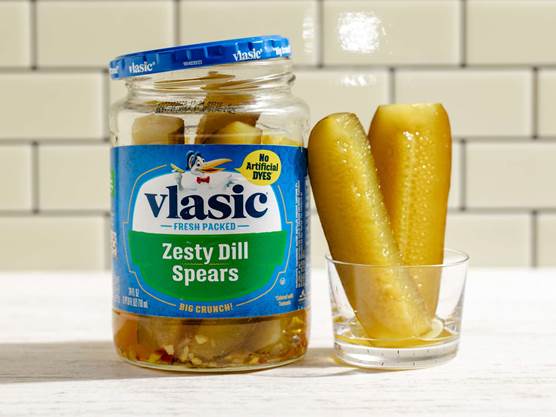
· Pros: Long shelf life, cheaper price, does not require fridge space until opened.
· Cons: Softer texture, less "fresh" taste, often more intense, one-dimensional acidic flavor.
In Summary: The primary difference is that shelf-stable pickles are cooked, whereas refrigerated pickles are "raw" and crunchy. If you are looking for a satisfying snap on a sandwich, refrigerated is the choice. If you need a pantry staple for long-term storage or cooking, shelf-stable is more convenient. Once opened, however, both types must be refrigerated to prevent spoilage.
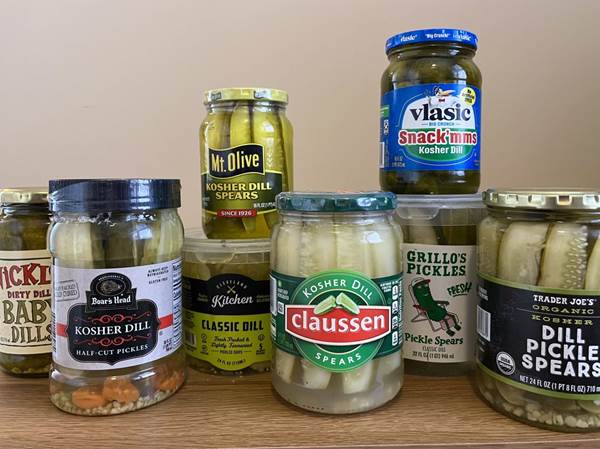
The choice between them comes down to a trade-off between convenience and quality. The refrigerated section offers the superior crunch and natural flavor, while the pantry shelf offers longevity and lower cost. So we keep a couple shelf-stable jars in our food storage and always try to have a jar of refrigerated pickles in the fridge.m)
I’ll close this pickle patter with a recipe we like that uses our refrigerated pickles (adapted from Aunt Annie’s 45-year-old recipe). If you’d like a scrumptious pickle relish for this summer’s grilling adventures, here ya go!
Easy Refrigerator Pickle Relish
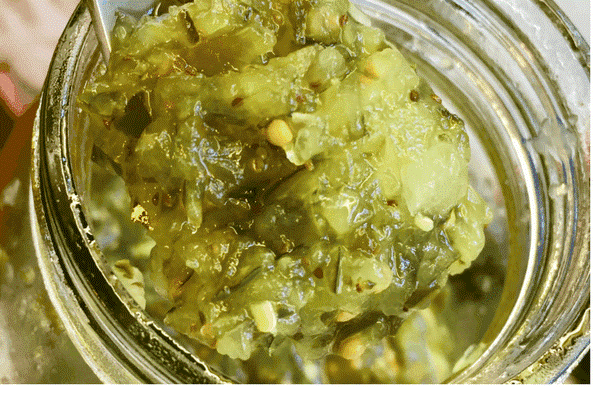
2 to 3 cups diced refrigerator dill pickles (sweet work as well)
1 medium onion finely diced
1/4 cup green bell peppers finely diced (optional, for crunch)
1 to 2 tablespoons raw honey or sugar (adjust to taste, especially for dill)
1 teaspoon mustard seeds
1/2 teaspoon celery seed
1/4 teaspoon turmeric (for color; optional)
Directions:
Combine: Place the diced vegetables, seeds, sugar, and turmeric (if using) into a clean jar.
Add Brine: Pour in the original pickle brine from your jar until the vegetables are just submerged. If you don't have enough brine, add a splash of apple cider vinegar.
Chill: Seal the jar and shake well. Place in the refrigerator for at least 1 hour, or preferably 24 hours, to allow the flavors to blend.
Tips for Success:
Texture: If the relish seems too wet, use a slotted spoon to transfer it to jars, or drain it slightly before using.
Flavor Adjustment: For a sweeter relish, add more sugar. For more tang, add a teaspoon of apple cider vinegar.
Storage: Since this is a refrigerator recipe, it does not require a water bath. It will stay fresh in the fridge for several weeks.
Recipe formatted with the Cook'n Recipe Software from DVO Enterprises.
 Alice Osborne
DVO Newsletter Contributor since 2006
Email the author! alice@dvo.com
www.americastestkitchen.com
www.allrecipes.com
www.thefreerangelife.com