
All Those with Gluten Sensitivities, Take Heart!
Bread tends to have a bad rap today. If we’re talking regular white loaves, packed with preservatives and highly processed blood sugar-spiking flour, then that rap is on point.

But there’s one traditional type of bread that stands out as a genuine health food: sourdough. Made through ancient wild fermentation, abundant research shows eating sourdough bread every day can transform your digestion, energy, and overall well-being.
The primary magic of sourdough lies in its fermentation process. Unlike commercial bread that relies on isolated baker’s yeast, sourdough utilizes a live starter of wild yeast and lactic acid bacteria. This mixture creates a fermentation in the dough.
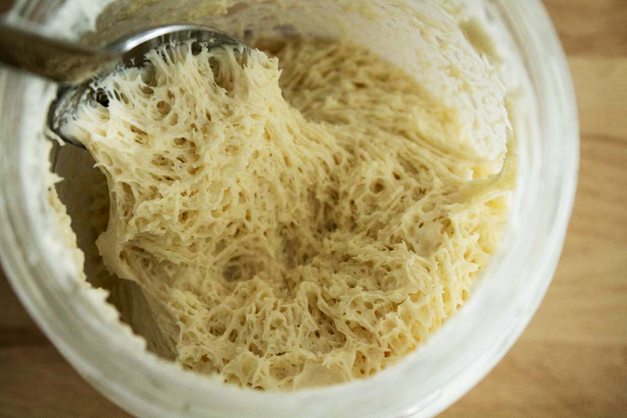
The idea is to allow for a slow rise. And during this slow rise, the bacteria essentially pre-digest the flour. They break down complex carbohydrates and, most importantly, degrade gluten proteins. While not safe for those with celiac disease, many people with mild gluten sensitivities find they can eat sourdough without the bloating, gas, or sluggishness caused by standard bread.
We know whole grains are naturally rich in essential minerals like iron, zinc, magnesium, and calcium. However, grains also contain phytic acid, an anti-nutrient that binds to these minerals and prevents your body from absorbing them.
So, one of the greatest benefits of sourdough bread is how the lactic acid bacteria in sourdough lowers the pH of the dough, creating a more acidic state. This acidic environment activates an enzyme called phytase, which breaks down the phytic acid. By consuming sourdough daily, you unlock these tightly bound nutrients, ensuring your body actually absorbs the vitamins and minerals present in the grain.

Most commercial breads have a high glycemic index. They cause a rapid spike in blood glucose followed by a sharp crash, leaving you tired and craving more sugar.
Sourdough behaves differently, which is another of its terrific benefits. Its fermentation process alters the structure of the grain’s starches, slowing down the rate at which your body converts them into glucose. Additionally, the organic acids produced during fermentation delay gastric emptying. This means sourdough has a significantly lower glycemic index. A daily slice provides a slow, steady release of energy, keeping you full longer and preventing insulin spikes.

Although the baking process does kill the live beneficial bacteria in the dough, sourdough still rewards your gut microbiome. The fermentation process creates prebiotic properties in non-digestible fibers. These fibers feed the good bacteria already living in your digestive tract, thus supporting gut health. A healthy microbiome is linked to improved immunity, better mood regulation, and the afore-mentioned smoother digestion.
Lastly, sourdough offers clean, simple ingredients—flour, salt, and water. Choosing sourdough over standard supermarket breads is a tasty, ultra healthy way to improve your diet. You’ll be eliminating artificial additives, emulsifiers, dough conditioners, sugar, and chemical preservatives!
All this said, I need to add one caveat to this sourdough marketing campaign: To reap these benefits, quality matters. Many store-bought brands use fake sourdough flavoring or add yeast to speed up production, bypassing the fermentation process entirely. So when purchasing, you want to be sure to look for authentic, long-fermented sourdough (or try baking your own at home).

Truly, those of us with gluten sensitivities can take heart. It just may be that incorporating a slice of genuine sourdough into your daily routine may be a delicious way to support your body!
 Alice Osborne
Weekly Newsletter Contributor since 2006
Email the author! alice@dvo.com