
How to Make Your Non-Stick Pans Last Longer
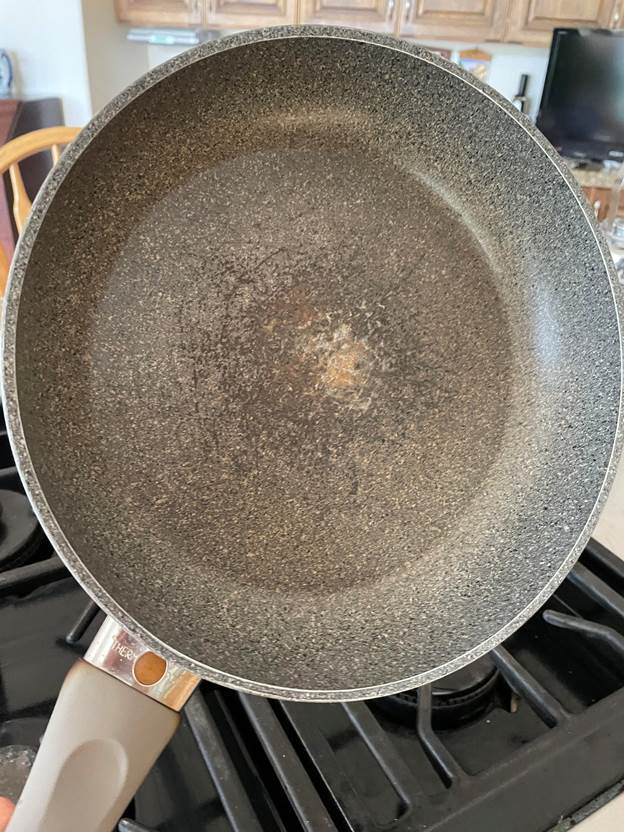
Non-stick frying pans are essential tools in modern kitchens, offering effortless food release and quick cleanup. However, the delicate polytetrafluoroethylene (PTFE) or ceramic coatings can degrade rapidly without proper care. And boy am I bummed, because that’s exactly what’s happened with our favorite frying pan. I’ve kept using it in spite of this progressive deterioration, but it’s time to give it up—food safety and all that. As you can see from this sad photo, its life really is over.
If you can relate, then you’ll appreciate this information. Turns out, by adjusting our cooking, cleaning, and storage habits, we can easily double the lifespan of our favorite cookware. Here’s how in 4 easy steps:
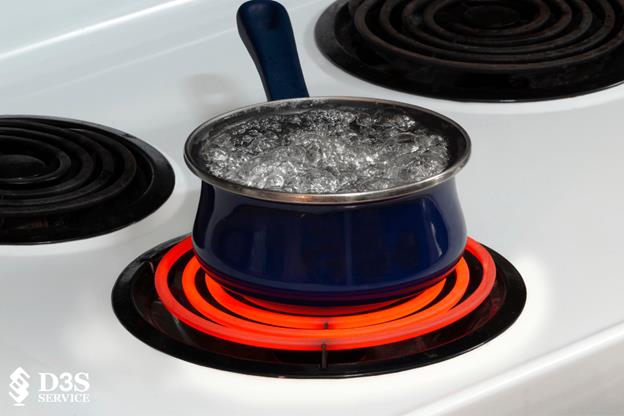
Manage the Cooking Temperature. High heat is the primary enemy of non-stick coatings. Extreme temperatures cause the non-stick surface to blister, crack, and lose its slickness. Always cook on low to medium heat. Furthermore, never preheat an empty pan. Heating a dry non-stick pan accelerates coating degradation and can release unpleasant fumes. Always add a small amount of fat to the pan before turning on the burner.
Choose the Right Fats and Utensils. The types of ingredients and tools used directly impact the pan's surface. So be sure to:
- Avoid aerosol cooking sprays: These sprays contain propellants like lecithin, which cook onto the pan and leave a sticky, impossible-to-remove residue. Use butter, olive oil, or vegetable oil instead.
- Ditch metal tools: Spatulas, whisks, and tongs made of metal create microscopic scratches that ruin the coating. Switch entirely to silicone, wood, or plastic utensils.
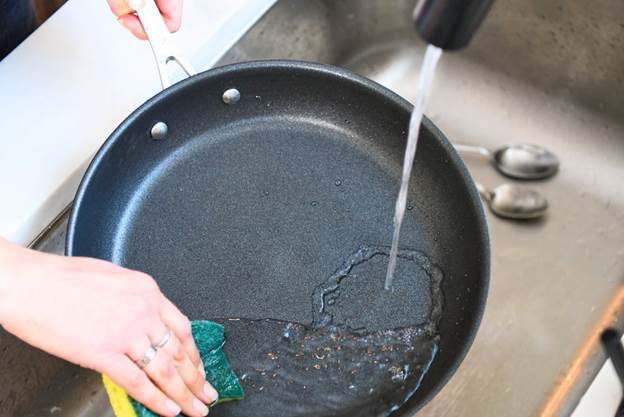
Wash Gently by Hand. Even if a manufacturer claims a pan is dishwasher-safe, we should always wash it by hand. Dishwasher detergents contain harsh abrasives, and the intense heat cycle strips away the non-stick properties over time. Let the pan cool completely before washing; plunging a hot pan into cold water causes thermal shock, warping the metal base. Clean the surface using a soft sponge, warm water, and mild dish soap. Avoid steel wool and abrasive scouring pads.
Store with Care. Proper storage prevents accidental damage when the pan is out of use. Avoid stacking non-stick pans directly on top of one another, as the metal bottoms of upper pans will scratch the delicate surfaces below. If you must stack them due to limited cabinet space, place a paper towel, a soft cloth, or a dedicated felt pan protector between each item. Alternatively, hang them from a pot rack.
By implementing these simple maintenance steps, we can protect our culinary investment, ensure consistent cooking performance, and keep these super useful pans functional for years to come.
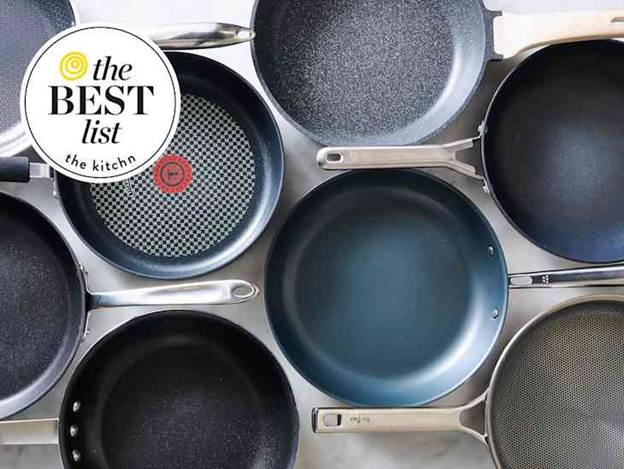
Now I’m on the hunt for a replacement. I’d love to hear from you if you have a favorite non-stick brand. Your thoughts?
 Alice Osborne
Weekly Newsletter Contributor since 2006
Email the author! alice@dvo.com