
Fresh Figs: A Fleeting Pleasure Dried Figs Simply Can't Replace!
Fresh figs tend to get overlooked. They have a short season, bruise easily, and don't ship or store the way apples or bananas do — but that's exactly why they deserve more attention when they're actually available. A ripe fresh fig is a completely different food from the dried version most people know, and it's worth seeking out.
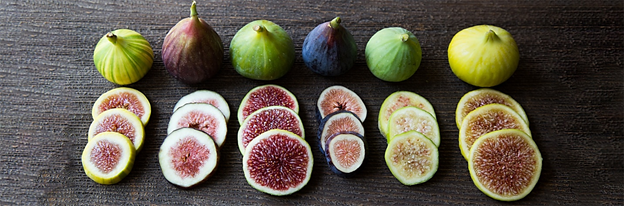
First of all, they have a flavor nothing else replicates. It’s a delicate, honeyed sweetness balanced by an almost floral, slightly earthy undertone, with a texture that ranges from silky flesh to a pleasant crunch from the tiny seeds inside. Dried figs are concentrated and chewy, but they lose the juiciness and lightness that make fresh figs so distinct. There's really no substitute for biting into one at peak ripeness.
There’s a solid nutritional case for them, too. Beyond flavor, fresh figs offer real health benefits. They're a good source of dietary fiber (supporting digestion), and they contain potassium (helping regulate blood pressure). They also provide antioxidants and small amounts of calcium and magnesium. When eaten fresh rather than dried, they're naturally lower in concentrated sugar per serving than their dried counterpart, while still delivering a satisfying sweetness.
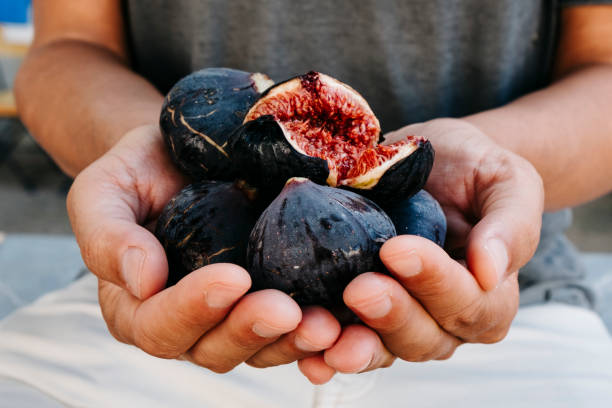
And fresh figs are remarkably versatile. Besides being a terrific snack, they're an easy way to elevate simple dishes. Halved and roasted, they caramelize beautifully and pair well with honey, balsamic glaze, or goat cheese. They work equally well in savory contexts, such as wrapped in prosciutto as an appetizer, tossed into a salad with arugula and walnuts, or paired with soft cheeses on a cheese board. On the sweet side, they can be baked into tarts, folded into yogurt or oatmeal, or simply eaten whole, skin and all, for a quick, elegant treat.
All this said, the fig’s short season is well worth planning around. They typically have two harvest windows — a smaller early-summer crop and a larger one in late summer into early fall — which means the window to enjoy them is limited. That scarcity is part of the appeal: figs are a genuinely seasonal food in a grocery landscape where most produce is available year-round. Treating them as a seasonal highlight rather than an everyday staple gives you a reason to look forward to them each year, the same way people anticipate stone fruit in summer or citrus in winter.
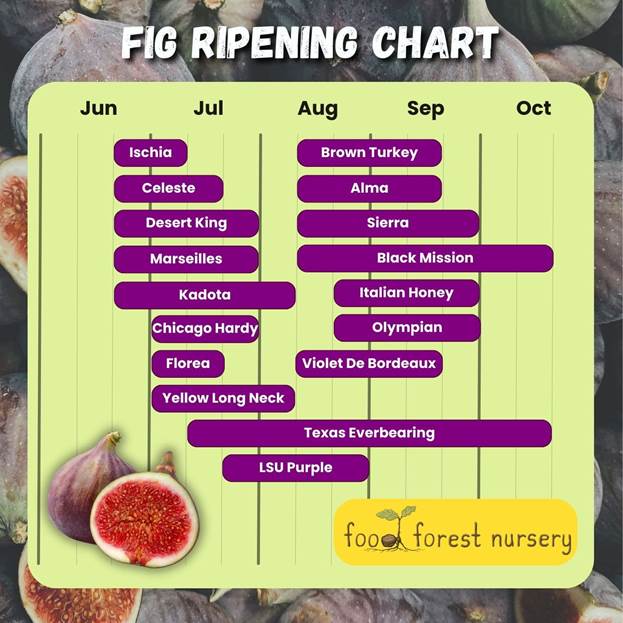
Seriously, the next time you spot fresh figs at the market, consider grabbing a few — they're a fleeting pleasure that dried figs simply can't replace.
 Alice Osborne
Weekly Newsletter Contributor since 2006
Email the author! alice@dvo.com