
Beyond Pumpkin Spice: A Chef’s Guide to Cooking with Pumpkin
Hey chefs!
It’s officially pumpkin season! And while I’m all for pumpkin bread, pumpkin cookies, and everything covered in cinnamon, I think pumpkin deserves a little more credit.
Somewhere along the way, pumpkin became less of an ingredient and more of a flavor associated with fall. But pumpkin itself is wonderfully versatile. It’s earthy, subtly sweet, creamy when puréed, beautifully caramelized when roasted, and surprisingly good in savory dishes.
And here’s something I love about it: the way you prepare pumpkin can completely change what it brings to a dish.
Whether you’re picking out a fresh pumpkin at the farmers market, reaching for a can of purée, or cooking pumpkin down into a thick, concentrated paste, understanding what you’re working with opens up a whole world of possibilities.
So let’s talk pumpkins!
Not All Pumpkins Are Created Equal
First things first: that giant pumpkin sitting on your porch probably isn’t your best choice for dinner.
Technically, carving pumpkins are edible, but they’re generally bred for their size, appearance, and hollow interiors rather than their culinary qualities. Their flesh tends to be thinner, stringier, and less flavorful than varieties intended for cooking.
If you’re shopping for a pumpkin to eat, here are a few varieties worth knowing:
Sugar Pumpkins (Pie Pumpkins)
These are the little round pumpkins you’ll commonly see at grocery stores in the fall. They have relatively dense flesh, a pleasant sweetness, and a smoother texture than most carving pumpkins. They’re great for homemade purée, pies, breads, and soups.
Cinderella Pumpkins (Rouge Vif d’Étampes)
Those gorgeous, flattened, deeply ridged orange pumpkins aren’t just decorative! Cinderella pumpkins have edible flesh that can be used for roasting, soups, and purées. Their moisture and texture can vary, so they’re worth evaluating before using in a precision baking recipe.
Long Island Cheese Pumpkins
Despite their name, these pumpkins don’t taste like cheese. They’re named for their resemblance to a wheel of cheese! Their tan skin hides sweet, relatively smooth flesh that’s especially good for pies, custards, and purées.
Kabocha and Red Kuri Squash
Okay, technically we’re wandering into winter squash territory, but the culinary overlap is enormous. Kabocha is dense, sweet, and wonderfully nutty, while red kuri has a lovely chestnut-like quality. Both can be excellent substitutes for pumpkin in many recipes, particularly soups, roasted vegetable dishes, and baked goods.
Chef’s tip: Don’t choose a pumpkin based on appearance alone. For cooking, look for one that feels heavy for its size, has a firm rind, and shows no soft spots or signs of decay. Different varieties have different flavors, textures, and moisture levels, even when they look similar.
Fresh Pumpkin vs. Canned Pumpkin: Is One Better?
Here’s a little culinary secret: I don’t automatically consider fresh pumpkin better than canned.
Fresh pumpkin gives you control over the variety, roasting method, and final texture. You can develop deeper, roasted flavors, leave it chunky, or purée it to your preferred consistency.
Canned pumpkin, on the other hand, is convenient, consistent, and ready whenever you need it. It’s especially useful for baking, where predictable moisture and texture can make a big difference.
And here’s a fun fact: canned pumpkin may be made from varieties of golden-fleshed winter squash as well as pumpkins. The distinction between pumpkins and squash is less clear-cut than you might think, and many of the varieties used commercially are chosen specifically for their smooth texture and flavor.
Just make sure you’re buying 100% pumpkin purée, not pumpkin pie filling. The latter already contains sweeteners and spices, which can throw off your recipe.
Four Ways to Use Pumpkin (And Why They Matter)
One of the best ways to become a more intuitive cook is to stop thinking about ingredients only in terms of recipes and start thinking about what each preparation actually does.
Pumpkin is a perfect example.
1. Roasted Pumpkin: For Flavor and Texture
Roasting pumpkin is one of my favorite ways to bring out its natural sweetness.
High, dry heat encourages moisture to evaporate from the surface while browning develops deeper, more complex flavors.
Try cutting pumpkin into wedges or cubes, tossing it with olive oil and salt, and roasting it at 425°F until tender with browned edges.
You can use roasted pumpkin in grain bowls, pasta, salads, risottos, or alongside roasted meats.
And don’t feel obligated to season it with cinnamon! Pumpkin is wonderful with fresh sage, rosemary, garlic, Parmesan, browned butter, miso, smoked paprika, and plenty of other savory ingredients.
2. Cubed Pumpkin: For Soups, Stews, and Braises
We tend to think of pumpkin as something smooth and creamy, but it can be equally delicious when left in pieces.
Firm-fleshed pumpkin holds its shape reasonably well when cooked carefully, making it a lovely addition to soups, curries, braised dishes, and hearty fall stews.
Think of tender pumpkin cubes simmered with beef and mushrooms, or pumpkin added to a coconut curry with ginger and garlic.
The trick is to add it at the right time. Pumpkin generally cooks faster than potatoes or tougher cuts of meat, so adding it too early can cause it to break down into the sauce.
Of course, that can be delicious too! It just depends on whether you want distinct pieces or a thickened, velvety broth.
3. Pumpkin Purée: For Creaminess and Moisture
When cooked pumpkin is blended into a smooth purée, it becomes an entirely different ingredient.
Purée is fantastic for adding body to soups, sauces, fillings, breads, and desserts.
In savory cooking, you can stir pumpkin purée into a Parmesan cream sauce, use it in a comforting soup, or incorporate it into a risotto.
In baking, pumpkin contributes moisture, color, and tenderness. It also adds fiber and starch, which influence the final texture.
But here’s where things get interesting: sometimes that extra moisture is exactly what you want, and sometimes it gets in the way.
Which brings us to one of my favorite pumpkin techniques.
4. Reduced Pumpkin Purée: For Concentrated Flavor Without Excess Water
Pumpkin contains a tremendous amount of water. That’s wonderful when you’re making a moist quick bread or a silky soup, but it can create challenges in recipes where structure and texture matter.
Think cookies that become cakey instead of chewy, fillings that turn loose, or bread dough that becomes stickier than intended.
You want all that gorgeous pumpkin flavor and color, but you don’t necessarily want all the water that comes with it.
The solution? Reduce your pumpkin purée.
The Magic of Reducing Pumpkin Purée
Reducing pumpkin purée simply means cooking it to evaporate some of its water, leaving behind a thicker, more concentrated ingredient.
It’s the same basic principle behind reducing a sauce, except we’re applying it to a vegetable purée.
As the water evaporates, the pumpkin’s natural sweetness, color, and earthy flavor become more concentrated.
And from a baking perspective, you’re gaining something even more valuable: control over hydration.
Here’s how to do it:
- Start with plain pumpkin purée. Either canned or homemade will work. If you’re following a recipe that specifies a reduced weight, measure the starting amount carefully.
- Spread the purée in a wide skillet or saucepan. More surface area encourages faster evaporation.
- Cook over medium-low heat, stirring regularly. The purée will gradually thicken as steam escapes. Stir more frequently as it becomes concentrated, scraping the bottom and corners to prevent scorching.
- Watch the texture and weight. It should become noticeably thicker and hold soft ridges when stirred. As an example, reducing 300 grams of purée to 210 grams removes approximately 90 grams of water.
- Cool before using. Especially if you’re incorporating it into yeast dough or a temperature-sensitive mixture.
The amount of reduction depends on your starting purée and the recipe. A watery homemade purée may need considerably more cooking than an already-thick canned version.
And don’t automatically substitute reduced purée for regular purée in every recipe! Many recipes rely on that moisture for tenderness, so removing it without adjusting other ingredients could leave you with a dry result.
When Is Reduced Pumpkin Especially Useful?
I particularly love this technique for:
- Cookies: Concentrated pumpkin flavor without adding so much moisture that the cookies become overly cakey.
- Yeasted breads and buns: Greater control over dough hydration, allowing you to incorporate pumpkin without making the dough excessively sticky.
- Cheesecake and creamy fillings: Richer pumpkin flavor with less excess water to interfere with the texture.
- Pasta fillings: A thicker pumpkin mixture that’s easier to shape, seal, and keep inside ravioli.
- Swirled breads: Less moisture in a pumpkin filling means less risk of soggy layers or troublesome gaps.
It’s a small extra step that can make a big difference.
Give Pumpkin Some New Flavor Friends
If there’s one thing I’d love you to take away from this article, it’s that pumpkin doesn’t have to taste like pumpkin pie.
Pumpkin itself has a gentle, slightly earthy sweetness, which makes it incredibly adaptable.
For savory dishes, experiment with sage, browned butter, mushrooms, leeks, sharp cheeses, garlic, chili, coconut milk, ginger, or toasted nuts.
For desserts, try pairing pumpkin with dark chocolate, caramel, maple, orange zest, cream cheese, black sesame, or toasted pecans.
Sometimes pumpkin should be the star of the show. Other times it’s simply there to add sweetness, moisture, color, or body.
And that’s part of the fun of cooking! You don’t always need an entirely new ingredient to make something exciting. Sometimes you just need to look at a familiar ingredient differently.
This Week’s Recipe: Chocolate-Stuffed Pumpkin Bao
Speaking of looking at pumpkin differently, this week’s recipe takes pumpkin somewhere a little unexpected.
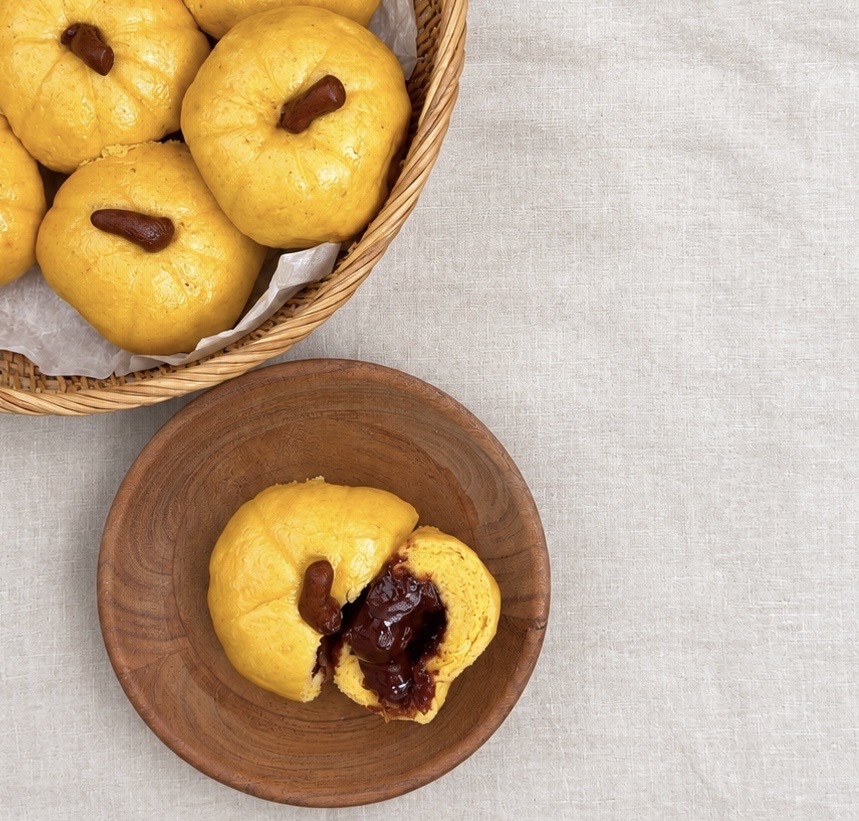
We’re making Chocolate-Stuffed Pumpkin Bao!
These soft, pillowy buns use reduced pumpkin purée in the dough, giving them a beautiful golden-orange color and a subtle pumpkin flavor, with a rich chocolate center tucked inside.
Reducing the pumpkin first helps us incorporate more concentrated pumpkin flavor while keeping better control over the moisture in our dough. That’s especially important for bao, where we’re looking for a soft, fluffy, delicate texture rather than something heavy or gummy.
It’s a fun example of everything we’ve talked about today: using pumpkin not just for its flavor, but for its color, texture, and the way it behaves in a recipe.
So whether you’re roasting pumpkin for dinner, stirring it into soup, or tucking chocolate inside a fluffy pumpkin bun, I hope you’ll give this wonderfully versatile fall ingredient a little more attention this season.
Happy cooking, chefs!
 Brennah Van Wagoner
Weekly Newsletter Contributor since 2025
Email the author! brennah.oaks@gmail.com