
The Earthquake Cake: A Sweet Bit of Kitchen Folklore
Few desserts have a name as vivid as “Earthquake” Cake. Have you heard of it? This informal, 9x13 cake has no single inventor or founding date on record. Turns out, it's a classic piece of American home-baking folklore—the kind of recipe that spread through church cookbooks, family recipe boxes, and word of mouth long before it found a permanent home on the internet.
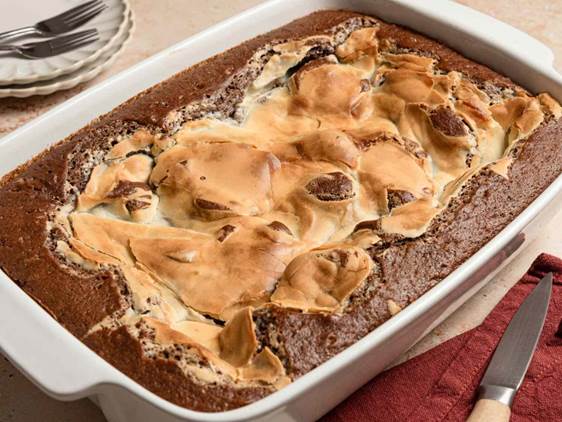
Why "Earthquake"? The name comes entirely from what happens in the oven. A layer of coconut and pecans goes into the bottom of the pan, chocolate cake batter is poured on top, and then a rich cream cheese and powdered sugar mixture is dropped over the batter in spoonfuls. As it bakes, the cake rises and the cream cheese mixture sinks and swirls, so the finished cake splits, cracks, and buckles across the top.
The result looks like the ground after a tremor, with deep fissures and an uneven, craggy surface. It's sometimes described as an upside-down German chocolate cake with a built-in cheesecake layer, since the cream cheese bakes directly into the batter and functions as frosting, with no extra steps required.
Because it typically leans on a boxed cake mix, Earthquake Cake likely belongs to the wave of "doctored cake mix" recipes that became popular in mid-to-late 20th-century American kitchens, when convenience baking took off and home cooks dressed up a mix with extra ingredients to make it feel homemade.
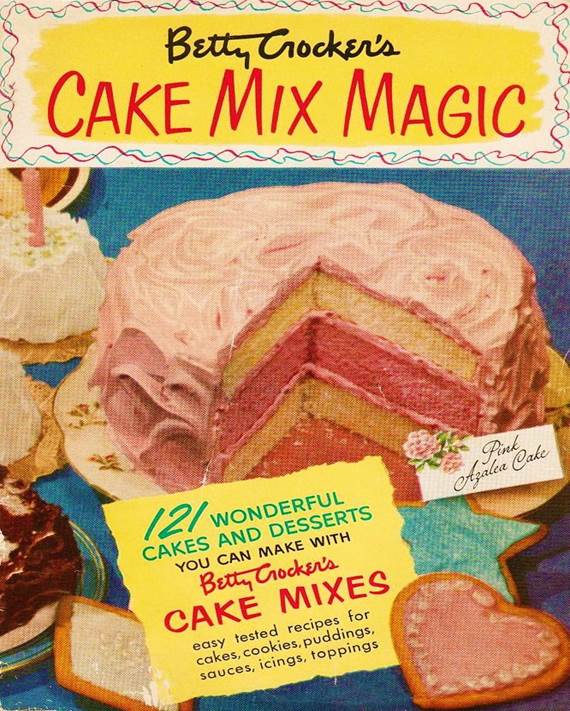
It has long circulated as a potluck and family-favorite recipe, often credited to a grandmother or passed down with no clear origin attached, which fits the pattern of many beloved church-cookbook desserts: born from experimentation, not a bakery or a chef.
The technique behind Earthquake Cake, cream cheese mixture baked into a boxed cake mix, translates well to other flavors, and bakers have already been experimenting. You can definitely go beyond chocolate with this cake:
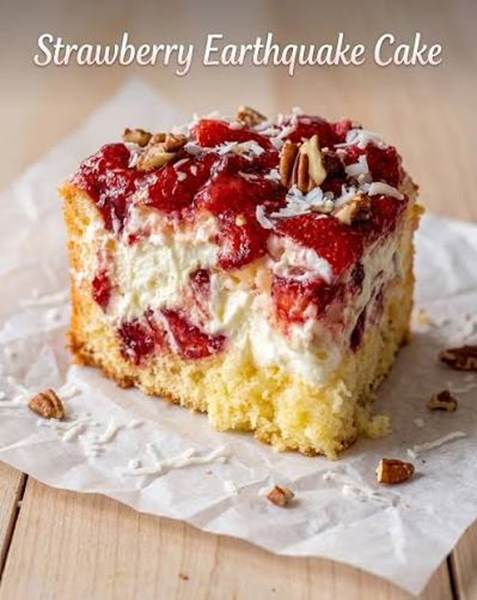
Strawberry Earthquake Cake uses a strawberry or strawberry-cake mix, often with white chocolate chips instead of semisweet, for a lighter, fruitier take.
Red Velvet Earthquake Cake swaps in a red velvet mix for a striking contrast between the white cream cheese layer and deep red crumb.
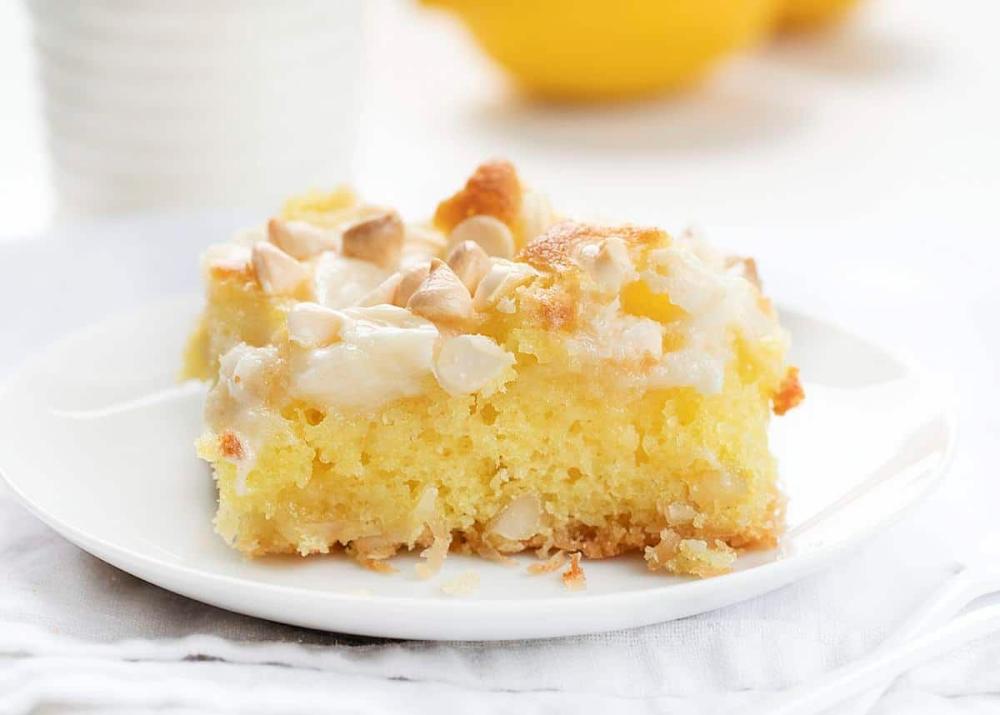
Lemon Earthquake Cake pairs a lemon cake mix with the cream cheese layer and sometimes white chocolate chips, trading richness for brightness.
Funfetti or Yellow Cake Earthquake Cake works well for birthdays, keeping the coconut and pecan crust but swapping chocolate chips for sprinkles or white chocolate.
Pumpkin Spice Earthquake Cake uses a spice or pumpkin cake mix for a seasonal, fall-leaning version.
The formula is flexible by nature: any cake mix, a cream cheese layer, and a textural bottom layer of nuts. Here’s a great version to get you started—Lemon Earthquake Cake straight from Aunt Annie’s recipe box. Have fun with it!
Lemon Earthquake Cake
1 (15 1/2-ounce) box lemon cake mix mixed according to package directions
1 cup unsweetened shredded coconut
3/4 cup chopped macadamia nuts
1 (8-ounce) package cream cheese softened
1/2 cup butter melted
2 1/2 cups powdered sugar
1 teaspoon vanilla extract
zest of 1 lemon
1/2 teaspoon salt
1 1/4 cups white chocolate chips
vanilla ice cream optional
Directions:
2. Prepare the cake batter according to package directions.
3. Sprinkle the coconut and macadamia nuts onto the bottom of the prepared pan.
4. Spread your cake batter over the top. Set aside.
5. Meanwhile, in a large bowl, combine the cream cheese, butter, confectioners' sugar, vanilla, lemon zest, and salt.
6. Beat with a mixer until combined. Dollop the mixture over the cake and use a knife to marble.
7. Sprinkle white chocolate chips on top and bake for about 55-60 minutes, or until the center is set.
8. Serve warm with ice cream, if desired.
Recipe formatted with the Cook'n Recipe Software from DVO Enterprises.
 Alice Osborne
Weekly Newsletter Contributor since 2006
Email the author! alice@dvo.com