
The No-Panic Guide to Perfect Carbonara
Hey chefs,
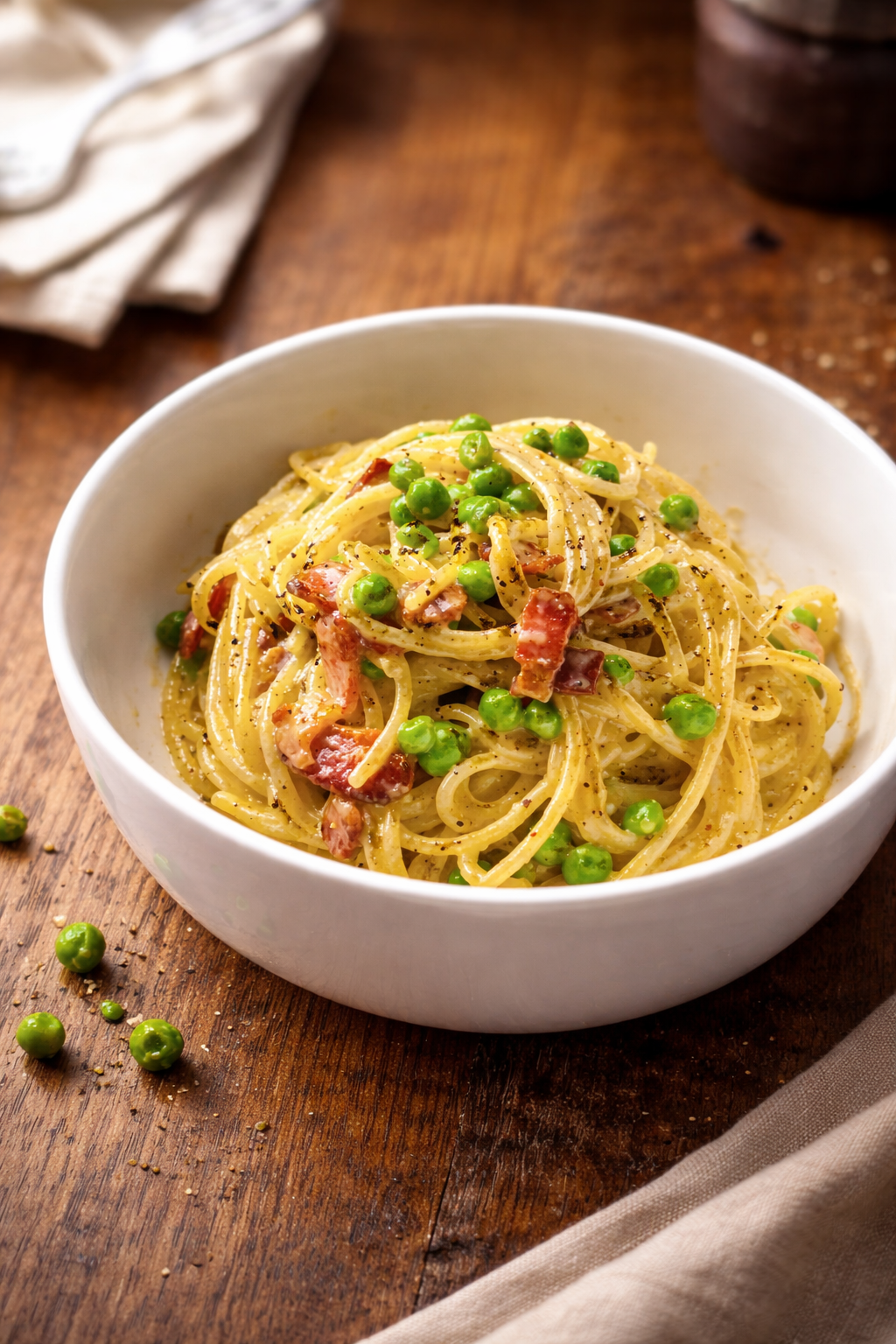
This week I want to talk about carbonara. One of the easiest—and somehow most intimidating—pasta dishes out there. I love a good carbonara, and the ingredient list is so short and simple that it feels like it should be foolproof… and yet. For years, this dish gave me pause. I can’t stand the idea of eating raw eggs, but I also very much do not want scrambled-egg pasta. If you’re like me, do not fear. This article will walk you through everything you need to know about carbonara so you can make it silky, rich, and perfect every time—without panic.
A Little Carbonara History (and a Few Fun Debates)
Carbonara hails from Rome, and like many classic Italian dishes, its exact origin is still debated—loudly and passionately. Some theories tie it to carbonai (charcoal workers) who needed a hearty, shelf-stable meal. Others point to post–World War II Rome, when American soldiers introduced bacon and powdered eggs, influencing what would become the modern dish.
What is generally agreed upon is this:
Traditional carbonara is built on pasta, eggs, cheese, cured pork, and black pepper. No cream. Ever. The creaminess comes from an emulsion—eggs gently thickened and loosened with starchy pasta water, not dairy.
Also fun: carbonara is considered a dry pasta in Italian culinary classification, meaning it’s not simmered in a sauce. The sauce is created after the pasta is cooked, using residual heat and technique.
Why Carbonara Feels So Scary
Carbonara sits right at the intersection of two fears:
- Undercooked eggs
- Overcooked eggs
The margin between luscious and scrambled can feel razor-thin if you don’t understand what’s actually happening. But once you break it down, carbonara is more about temperature control and timing than technical difficulty.
Think of it less like “making a sauce” and more like finishing a custard.
The Science of a Silky Carbonara
Let’s demystify the egg situation.
- Egg yolks begin to thicken around 149°F / 65°C
- They fully set closer to 158–160°F
- Scrambling happens when heat is too direct or too intense
Your goal is to gently raise the temperature of the eggs, not shock them.
That’s why pasta water is your best friend.
Hot, starchy pasta water:
- Warms the eggs gradually
- Helps emulsify fat and liquid
- Creates a glossy, cohesive sauce instead of clumps
This is the same principle used in pastry when tempering eggs for custards—slow, controlled heat equals smooth results.
Pro Tips for Foolproof Carbonara
These are the techniques that take carbonara from stressful to second nature:
1. Always mix the eggs off heat
Eggs should never hit a hot pan directly. They belong in a bowl first, where you’re fully in control.
2. Temper with pasta water
Whisking hot pasta water into the egg mixture gently warms and partially cooks the eggs, making them both safer and more stable. This step removes the fear entirely.
3. Turn the heat off before combining
Residual heat from the pasta is plenty. If the pan is still hot enough to sizzle, it’s too hot for eggs.
4. Use pasta water generously—but slowly
Carbonara is an emulsion. Add liquid a splash at a time, tossing constantly, until the sauce coats the noodles and looks glossy. Too thick? More water. Too loose? Keep tossing—it will tighten slightly as it settles.
5. Grate your cheese finely
Finely grated Parmesan or Pecorino melts smoothly. Chunky shreds can lead to a grainy texture.
6. Black pepper isn’t garnish—it’s a core ingredient
Carbonara should have a noticeable peppery bite. Add more than you think you need.
A Note on Bacon, Peas, and Modern Twists
Purists will insist on guanciale and no vegetables—and they’re not wrong for tradition. But in real kitchens, carbonara has evolved. Bacon brings smoky depth that’s accessible and familiar, and peas add sweetness, color, and balance to the richness of the dish.
This version stays true to the technique of carbonara, which matters far more than rigid ingredient policing.
Final Thoughts
Carbonara isn’t about speed or bravado—it’s about confidence and control. Once you understand why each step exists, the dish becomes deeply intuitive. Warm, don’t cook. Toss, don’t stir. Trust the process.
Click here for the recipe.
If carbonara has ever intimidated you, this is your sign to try again. You don’t need cream. You don’t need fear. You just need a bowl, a whisk, and a little patience.
Happy cooking, chefs
 Brennah Van Wagoner
Weekly Newsletter Contributor since 2025
Email the author! brennah.oaks@gmail.com