
What We Want to Do is Store it Properly—For the LONG HAUL!
Salt. Did you know there are some very important things to know about how you keep it? I’d never thought about it. But turns out, it's important to store salt properly because it's hygroscopic, meaning it’s highly absorbent.
Being hygroscopic is a big deal for salt because this leads to clumping and making it hard to use. This attribute also means it is prone to absorbing, moisture, strong odors, or contaminants. All of these affect its taste and purity.
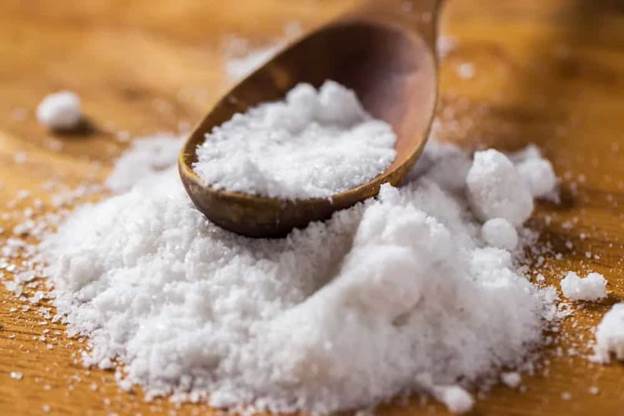
In more detail, let’s look at key reasons for proper salt storage (and by the way, surveys show 90% of people store it wrong):
As mentioned, it’s important to prevent clumping (aka caking). Salt is one mineral that is especially effective at attracting water from humid air, causing crystals to stick together and form hard chunks. Once salt turns into clumps and chunks, it’s very difficult to sprinkle or measure accurately.
Also mentioned is how improper storage will lead to salt absorbing strong smells from its environment (like spices or cleaning supplies). Once it’s contaminated, the taste nose-dives and there’s no recovery.

Careful storage protects it against pests, too. An airtight container keeps out insects and dust, keeping your salt supply clean.
Here’s the thing, while pure salt lasts indefinitely, we can’t be cavalier about how it’s stored. These best practices will ensure our salt will be around a long, long time:
· Keep it Dry & Cool: Store away from steamy kitchens, moisture-prone basements, or areas with high humidity.
· Avoid Certain Materials: Don't use metal containers, as salt will corrode them, thus contaminating the salt.
· Consider Additives: Iodized salt has a shorter effective shelf life due to additives, but pure salts last forever.
· Use Airtight Containers: Glass jars, food-grade buckets, or containers with silicone gaskets work well.
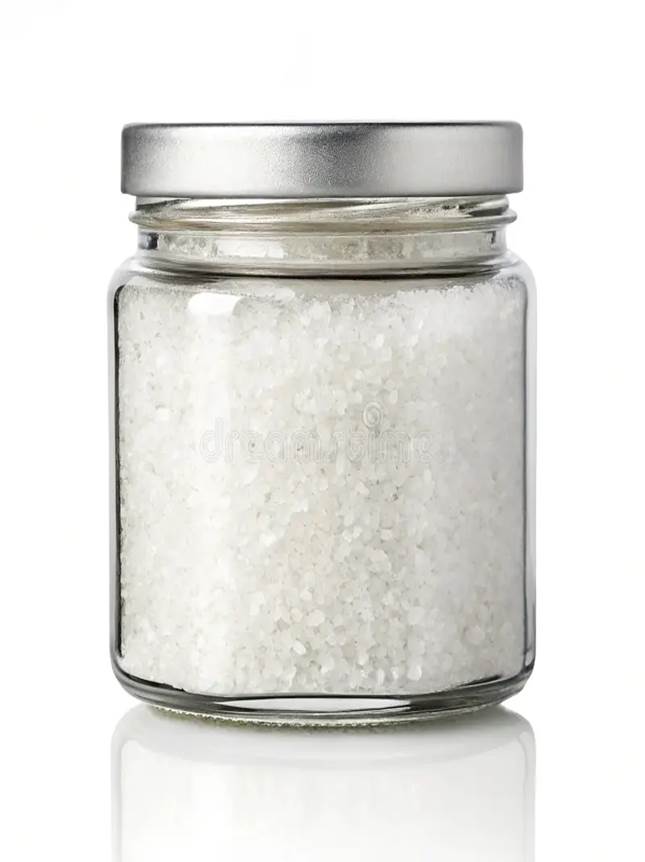
Proper storage in a cool, dry, airtight container preserves its texture, prevents caking, and maintains its quality and flavor, ensuring it remains ready for cooking, baking, and food preservation.
Most folks don’t think much about salt, until they need it. Our freeze-dried meals? They need salt. Preserving fresh food during a sustained power outage? Salt. Emergency water purification? Salt again.
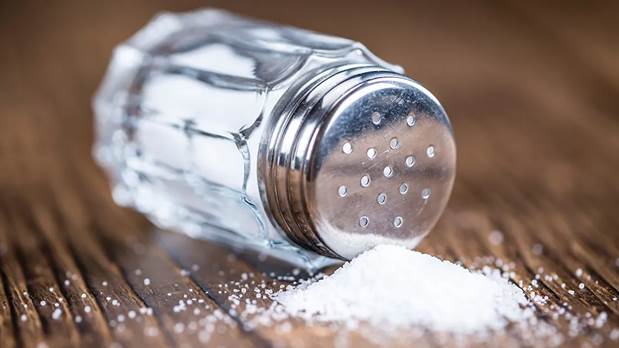
To be clear, for DAILY USE, attractive salt cellars (glass, ceramic, wood) and shakers are great salt holders. They offer quick and easy access and because they’re refilled on a regular basis, the above concerns aren’t an issue. It’s the large quantities of salt I’m referring to—salt to be stored for later use.
Salt is a dietary basic that we always want to have on hand in its purest form. So remember, that cardboard cannister won’t cut it. What we want to do is store it properly—for the LONG HAUL!
 Alice Osborne
Weekly Newsletter Contributor since 2006
Email the author! alice@dvo.com