
You Don’t Need All Day to Make Great French Bread!
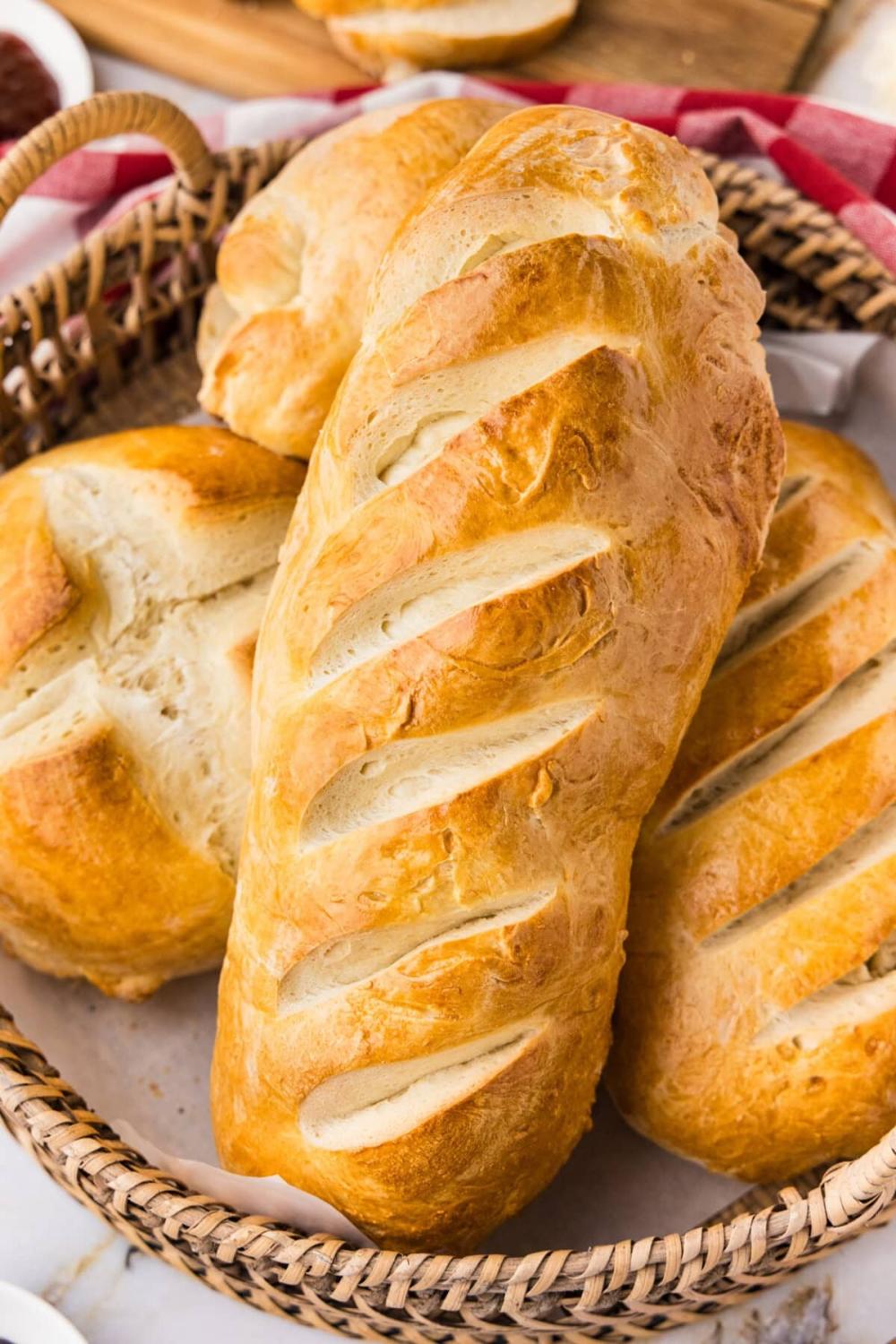
A crackling crust and a soft, chewy middle don't have to take all day. While traditional French bread rises slowly for hours to build flavor, you can actually have a golden baguette-style loaf on the table in about an hour with just a few shortcuts.

The secret is in using VERY warm water, extra yeast, and bread flour. It’s all about speeding up fermentation. Warm water, around 110°F, wakes the yeast quickly, and instant yeast can go straight into the flour without proofing. Bread flour helps too, since its higher protein builds gluten fast for that signature chew.
Here’s my favorite recipe for French bread in an hour. My personal mantra: “If it’s easy to do, we’re more inclined to do it!” applies here—this easy-to-make bread makes the idea of so doable on a regular basis.
1 Hour French Bread
3 cups bread flour
1 1/4 cups VERY warm water
2 1/4 teaspoons instant yeast (one packet)
2 teaspoons salt
1 teaspoon sugar
Directions:
Minutes 10-30: First rise. Place the dough in an oiled bowl, cover with a damp towel, and set it somewhere warm. It should nearly double. Turn your oven to 450°F now, and set a metal pan on the bottom rack to heat.
Minutes 30-40: Shape. Punch the dough down and divide it in half. Pat each piece into a rectangle, roll it up tightly lengthwise, and pinch the seam closed. Roll gently to a 12-14 inch log, then set the loaves seam-side down on a parchment-lined baking sheet.
Minutes 40-50: Second rise. Cover loosely and let the loaves puff for about 10 minutes. Just before baking, use a sharp knife to cut three or four diagonal slashes across the top, about a quarter-inch deep. These let steam escape so the loaf expands evenly.
Minutes 50-70: Bake. Slide the tray into the oven, then carefully pour a cup of hot water into the heated pan below. The burst of steam keeps the surface flexible during the first minutes, giving you a crisp, glossy crust. Bake 18-20 minutes, until deep golden brown and hollow-sounding when tapped underneath.
Recipe formatted with the Cook'n Recipe Software from DVO Enterprises.
Here are a few tips for success:
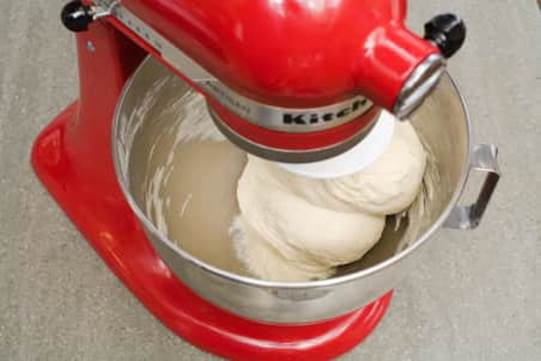
· First of all, don't skimp on kneading, since it stands in for the long, slow rise.
· Next, keep your rising spot warm, and if your kitchen is cold, a turned-off oven with the light on works well.
· Then let the loaves cool for at least 10 minutes before slicing so the crumb can set.
French bread is at its best within hours of baking, since it has no fat or preservatives to slow staling. Here's how to get the most out of it.
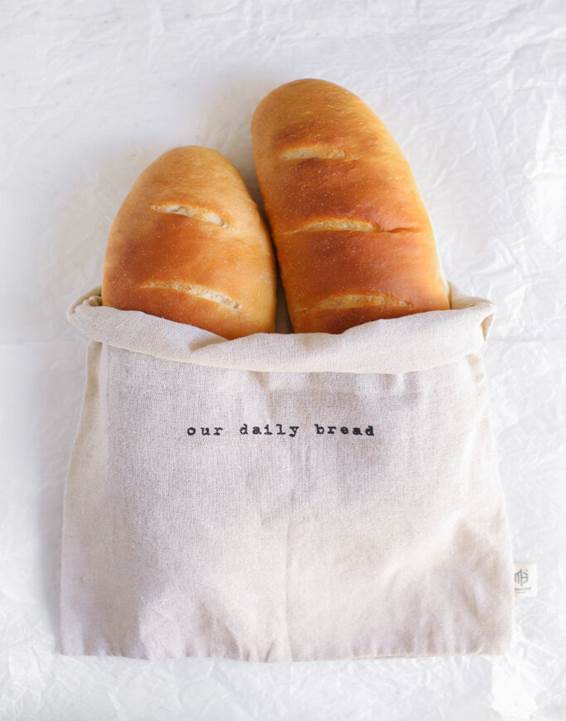
· Day one: paper, breathable cotton bag, but not plastic. Once the loaf has cooled completely (wrapping it warm traps steam and makes the crust soggy), store it in a paper or cotton bag, or wrapped in a clean kitchen towel at room temperature. Paper lets moisture escape, so the crust stays crisp while the crumb doesn't dry out too fast. Store it cut-side down on the counter if you've already sliced it.
· Avoid the fridge. Refrigeration speeds up starch retrogression, which makes bread stale faster than room temperature does. The exception is very humid weather, when mold becomes a risk.
· Skip plastic bags for the crust. Plastic keeps the bread soft longer but turns the crust leathery. If you'd rather have a soft loaf for sandwiches the next day, a plastic bag is fine, but you'll give up the crackle.
· Freeze what you won't eat in a day or two. Slice the loaf first, or cut it into halves or thirds, wrap tightly in plastic wrap or foil, then place in a freezer bag with the air pressed out. It keeps well for up to three months. Freezing right after cooling, while the bread is still fresh, works far better than freezing day-old bread.
· Revive it in the oven. To bring back the crust, run the loaf quickly under the tap or brush it lightly with water, then bake it directly on the oven rack at 375°F for 5-10 minutes if thawed, or 12-15 minutes if frozen. The surface steams, then dries into a crisp shell, and the inside turns soft and chewy again. Eat it right away, because a reheated loaf goes stale quickly.
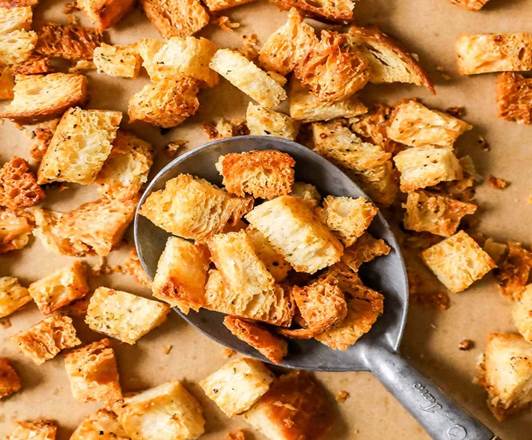
· Use the leftovers. Bread that's too far gone to revive makes excellent croutons, breadcrumbs, French toast, or garlic toast.
The payoff is how good this bread is for so little effort. It’s true, this bread won't match the complexity of an overnight-fermented boule, but it's remarkably close for the time invested. Serve it warm with salted butter, dunk it in soup, or slice it for sandwiches. Once you've made it, you may never buy a supermarket baguette again.
 Alice Osborne
DVO Newsletter Contributor since 2006
Email the author! alice@dvo.com
www.thefoodcharlatan.com
www.amandascookin.com
www.americastestkitchen.com
www.kikifoodies.com
www.sugarspunrun.com