
HOW to Eat Well During a Heatwave?
With temperatures soaring, are you noticing your appetite shifting? Instead of craving heavy, rich meals, are you reaching for crisp salads, fresh fruit, and chilled soups? This shift isn’t just a psychological preference; it is a direct physiological response to how our bodies manage internal heat. And there’s some precise science behind this urge to stay cooler, more energized, and healthier during extreme heatwaves.

At the core of this phenomenon is thermoregulation—the process by which the body maintains its core temperature around 98.6°F (37°C). Every time we eat, our body generates heat to break down the food, a process known as the thermic effect of food (TEF). Massive, calorie-dense meals rich in complex proteins and fats require significant metabolic energy to digest. This spikes our internal furnace, forcing the body to work double-time to digest food while simultaneously fighting to dump excess heat into the environment.
Furthermore, during high heat, the body alters its blood flow. To cool down, it redirects blood away from internal organs and toward the skin, where sweat can evaporate and cool the blood. If you consume a heavy meal, your cardiovascular system faces a dilemma: it must divert oxygen-rich blood back to the stomach and intestines for digestion. This competing demand leaves less blood available for cooling the skin, which can lead to sluggishness, indigestion, and an elevated risk of heat-related illnesses like heat exhaustion.

Eating light, water-rich foods resolve this physiological conflict. Fresh fruits and vegetables—such as watermelons, cucumbers, strawberries, and leafy greens—are composed of over 90% water. Consuming them provides a dual benefit: they require very little metabolic energy to digest, preventing an internal temperature spike, while simultaneously replenishing vital fluids and electrolytes lost through sweating.
Additionally, lighter meals are typically processed faster by the gastrointestinal tract. This prevents the uncomfortable, heavy feeling that often triggers lethargy on hot days. By opting for smaller, more frequent light meals rather than three large feasts, you keep your metabolism steady without overloading your body's cooling systems.
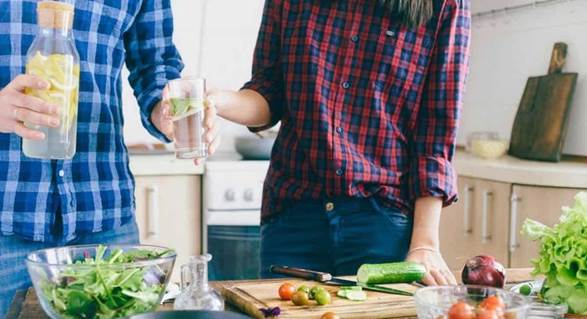
Listening to your body’s natural cues during a heatwave is essential. Choosing light, hydrating, and easily digestible foods is a scientifically proven strategy to support your body's natural cooling mechanisms, ensuring you stay safe, comfortable, and vibrant all summer long.
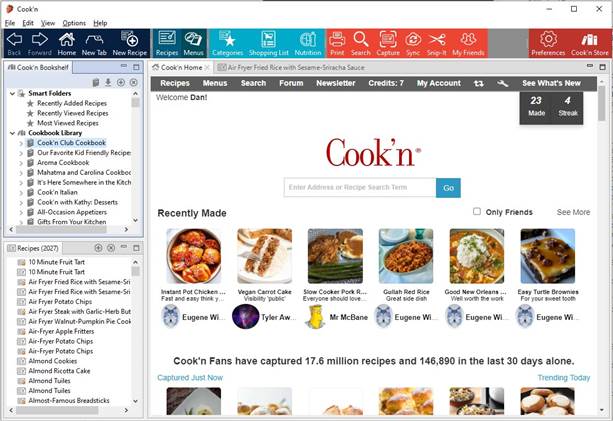
It might be smart to start a chapter in your Cook’n with that very title—“Light, Hydrating, Easily Digestible Foods” (or something a little more catchy that addresses the topic), to use as a ready-reference for meal planning during this brutal time of year. Here are some good meal-making suggestions (broken down by food type) that could be helpful:
HYDRATING FRUITS and VEGETABLES (as mentioned above)
Melon. These digest rapidly (in about 20 minutes) without overburdening the digestive tract (meaning, there’s no sluggishness after eating!).
Cucumbers. Boasting 96% water, they are highly hydrating, low in fiber, and incredibly gentle on the stomach (same deal!).
Ripe Bananas. Nature's digestive aid, they are soft, easy to break down, and full of potassium to replenish electrolytes.
Applesauce: Cooked or pureed fruit breaks down the natural plant fiber, providing gentle soluble fiber and quick hydration.
LIGHT STARCHES and CARBS
White Rice. A low-fiber, low-fat staple that rapidly converts to glucose, making it a gold standard for sensitive stomachs.
Plain Pasta or Noodles. Simple, refined carbohydrates that are soft, bland, and easy for the body to process.
Oatmeal. A soluble-fiber powerhouse that is soothing to the stomach and provides steady, non-triggering energy.
Crackers & Pretzels. Plain saltine crackers or pretzels help absorb excess stomach acid and are easy to digest.
GENTLE PROTEINS and LIQUIDS
Bone Broth & Clear Soups. Liquid-based, nourishing, and soothing. Broths rehydrate the body while delivering immediate, comforting minerals.
Scrambled Eggs. Soft and easily chewed, egg proteins are highly bioavailable and gentle on the gut.
Poached White Fish. Lean, tender, and easy-to-chew fish (like cod) doesn't linger long in the stomach, providing high-quality protein without heaviness
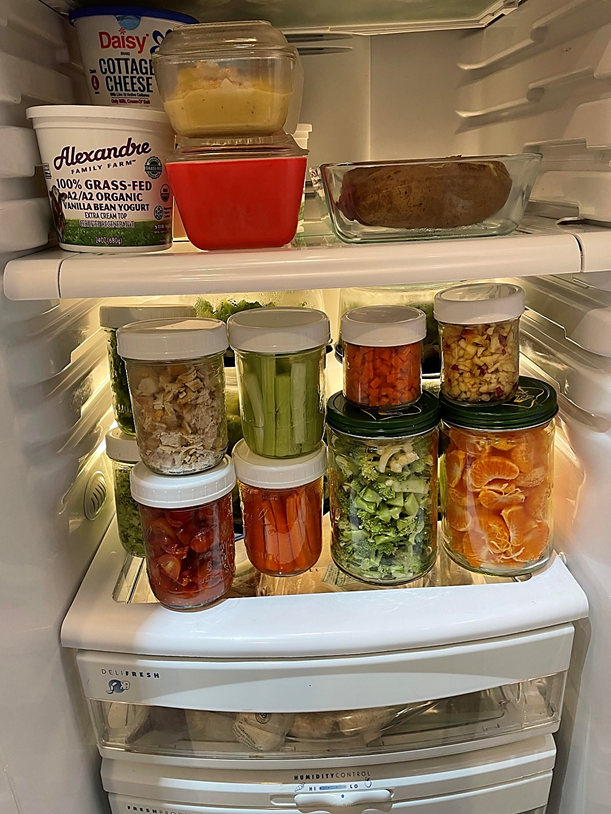
One thing I’ve found valuable is to have fresh fruits and veggies PRE-PREPPED for quick salad-making. “Pre-prepped” is the key, because typically by dinner time, I’m wiped out, but if stuff is ready to go, a meal can still happen. Can you relate? Serve this salad with a few crackers on the side and a slice of melon, and voila!
If you have any tips or good experience on coping with this oppressive heat and getting a meal on, please share. We need all the help we can get!
 Alice Osborne
Weekly Newsletter Contributor since 2006
Email the author! alice@dvo.com