
How to Successfully Halt the Biological Clock of Your Tubers
Research shows people love potatoes! Whether you like them fried, roasted, baked, or made into tots, you probably have at least one favorite potato dish. The USDA says we each eat about 50 pounds of potatoes every year. Not only is the country’s most popular vegetable universally craveable, it’s also packed with quality nutrition, including protein and fiber. Plus, potatoes are inexpensive—you can often get a large 5-pound bag for just a few dollars.

But if there’s one thing that can affect the life of the potatoes you bring home from the store, it’s sprouting! Sprouting causes a potato to convert its starches into sugars to fuel growth, causing it to lose firmness, shrivel, and shrink. More importantly, sprouts produce toxic compounds called glycoalkaloids (like solanine), which can cause stomach upset or illness if consumed.
Whatever variety of potato you’re storing, the secret to stopping them from sprouting lies in controlling their environment to mimic a natural underground dormancy state. Sprouting occurs when potatoes encounter warmth, light, and moisture, signaling that it is time to grow. By mastering three fundamental storage pillars—temperature, humidity, and chemical pairing—you can extend the shelf life of your potatoes for months.
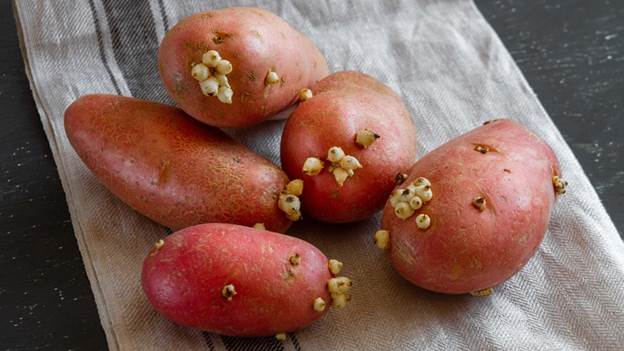
The most critical factor is temperature. Potatoes thrive best in cool, dark environments between 45°F and 50°F (7°C to 10°C). This temperature range is a delicate sweet spot. Standard room temperature is too warm and accelerates the sprouting process. Conversely, refrigeration is too cold; it converts the potato's starches into sugars, ruining the flavor and texture. A cool root cellar, unheated basement, or dark pantry is ideal.
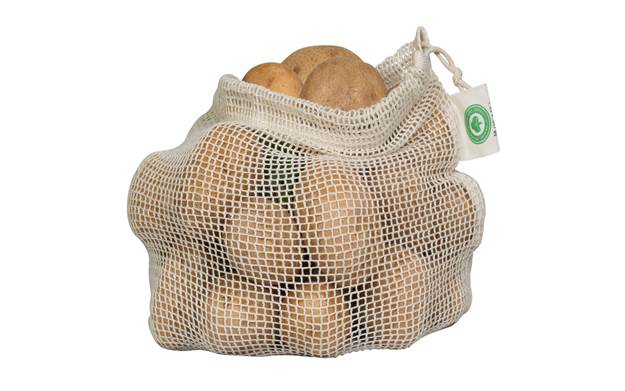
Light exposure must also be strictly limited. Light triggers the production of chlorophyll, turning the skin green. This process creates solanine, a toxic compound that makes the potato bitter and unsafe to eat in large quantities. Always store potatoes in breathable containers that block light. Paper bags, mesh sacks, or cardboard boxes work best. Avoid plastic bags, which trap moisture and cause premature rotting.
The ultimate secret weapon, however, is proper produce pairing. Never store potatoes next to onions or bananas. Onions emit ethylene gas, a natural ripening agent that forces potatoes to sprout rapidly. Instead, the real trick is to store potatoes with apples. While apples also produce ethylene, studies show that under the right cool conditions, the specific concentration of gas from apples actually suppresses cell division in potatoes, delaying sprouts.
Finally, moisture control keeps the tubers dormant. Never wash potatoes before storing them, as residual water invites mold and growth. Only wash them immediately before cooking. If you buy potatoes in bulk, inspect them first and remove any damaged or bruised ones, as one rotting potato can spoil the entire batch.
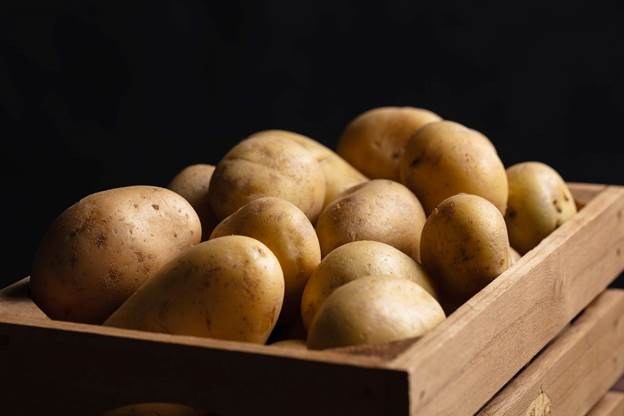
By keeping your potatoes cool, dark, dry, and safely separated from onions—while perhaps introducing a companion apple—you can successfully halt the biological clock of your tubers, ensuring they stay fresh and sprout-free.
 Alice Osborne
Weekly Newsletter Contributor since 2006
Email the author! alice@dvo.com