
Are You Choosing the RIGHT Onion?
Although onions serve as the foundational flavor base for cuisine globally, the fact is, our three favorites (white, yellow, and red) are far from interchangeable. Each variety possesses a distinct chemical profile that dictates its flavor, texture, and ideal culinary application. Understanding these differences elevates everyday cooking from standard to precise.
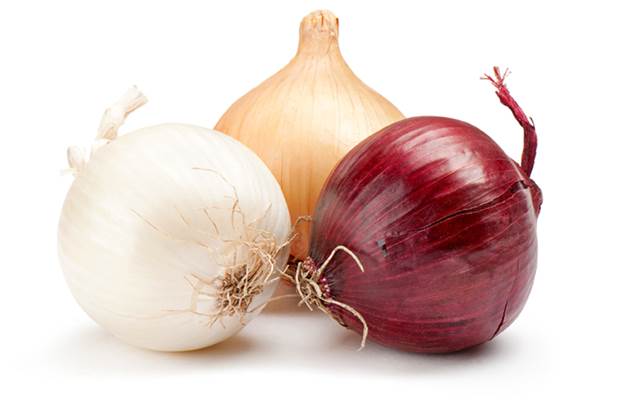
For instance, yellow onions, considered the workhorses of the kitchen, account for the vast majority of onion production, and feature a thick, papery European-yellow skin and a pale, yellowish flesh. Their defining characteristic is a high sulfur content, which creates a sharp, pungent aroma when raw. However, this high concentration of sulfur compounds is exactly what makes them ideal for long cooking processes. As yellow onions heat, their starches break down and the sulfur mellows, yielding a deep, rich sweetness. This makes them the definitive choice for caramelizing, French onion soup, long-simmered stews, and roasted meat bases.
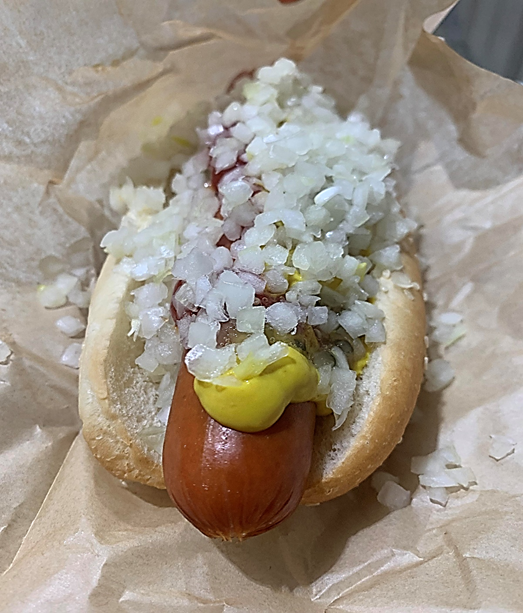
White onions, on the other hand, offer a sharper, cleaner bite. They have an all-white skin and flesh, containing a higher water content and less sulfur than their yellow counterparts. This structural difference makes them crunchier and distinctly more pungent when raw, though the flavor dissipates quickly rather than lingering on the palate. Because their heat is crisp rather than heavy, white onions are the standard in traditional Mexican and Southwestern American cooking. They are best utilized raw or flash-cooked in salsas, chutneys, stir-fries, and as a finely diced garnish for street tacos and hot dogs.
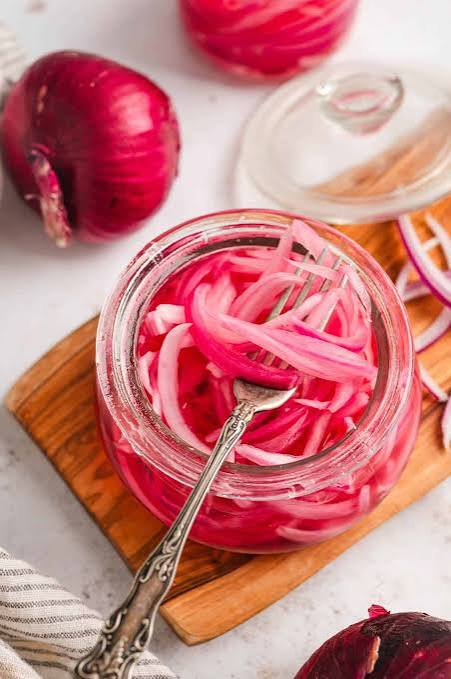
Lastly, red onions, with their striking deep-purple skin and red-ringed flesh. They’re the mildest of the trio. They contain a higher concentration of natural sugars and lower levels of acid and sulfur, making them highly palatable without cooking. Their vibrant color comes from anthocyanins, powerful antioxidants that fade and turn a dull gray when exposed to prolonged heat. Consequently, red onions are primarily best in raw or minimally processed forms. They provide a crisp texture and a sweet, peppery contrast to green salads, sandwiches, and burgers. Furthermore, their low sulfur profile makes them the perfect candidate for quick-pickling, an acid treatment that turns them a brilliant pink and softens their bite.
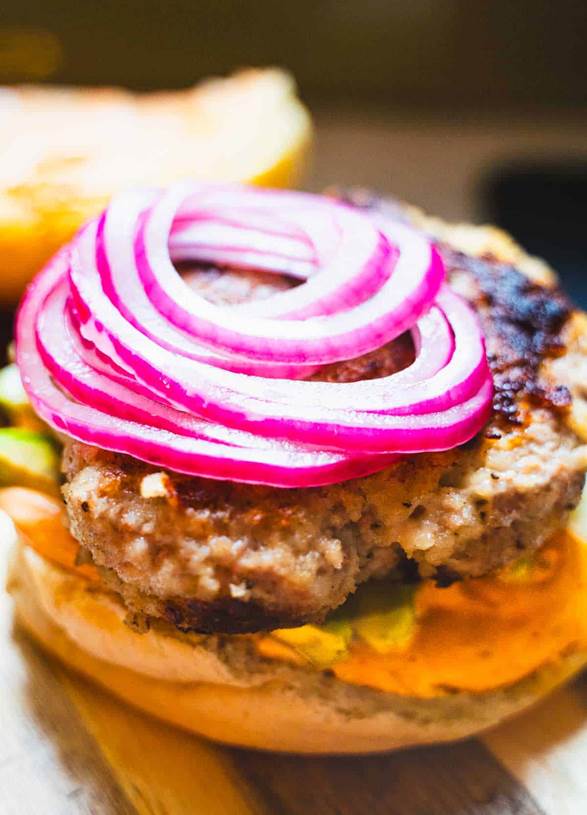
Choosing the right onion is a matter of balancing chemistry and cooking method. Yellow onions provide deep sweetness through heat, white onions deliver sharp texture to fresh dishes, and red onions offer mild color and crunch to raw presentations.
Now how about a recipe for quick-pickling those delicious red onions? This easy and fast method comes to us from www.loveandlemons.com, and it’s terrific!
Pickled Red Onions
2 small onions
2 cups white vinegar
2 cups water
1/3 cup sugar
2 tablespoons sea salt optional
2 cloves garlic
1 teaspoon mixed peppercorns
Directions:
Heat the vinegar, water, sugar, and salt in a medium saucepan over medium heat. Stir until the sugar and salt dissolve, about 1 minute. Let cool and pour over the onions. Set aside to cool to room temperature, then store the onions in the fridge.
Your pickled onions will be ready to eat once they're bright pink and tender - about 1 hour for very thinly sliced onions, or overnight for thicker sliced onions. They will keep in the fridge for up to 2 weeks.
Recipe formatted with the Cook'n Recipe Software from DVO Enterprises.
 Alice Osborne
Weekly Newsletter Contributor since 2006
Email the author! alice@dvo.com