
Kiss All That Dairy-Related Cramping Good-bye!
Have you heard of A2A2 cows? These are dairy cows that genetically produce milk containing only the A2 beta-casein protein and none of the A1 protein. Milk protein is roughly 30% beta-casein, which exists primarily in two genetic variants: A1 and A2. The A2 protein is the original, natural protein found in human breast milk and in the milk of ancient, heritage cattle breeds. Thousands of years ago, a genetic mutation occurred in European cows, creating the A1 variant. Most commercial dairy cows today (such as Holsteins) produce a mix of A1 and A2 proteins.

Why should you care about any of this? Well, D I G E S T I O N is the name of the dairy game. Research suggests that the A1 protein breaks down differently during digestion, which tends to trigger stomach discomfort, bloating, or inflammation in some individuals. Because A2A2 milk lacks the A1 protein, many people with mild dairy sensitivities (though not a diagnosed milk allergy or lactose intolerance) find it much easier to digest.
Dairy-sensitive folks are quickly discovering A2A2 dairy products and this is rapidly transforming what was once a health-food trend into a mainstream powerhouse in the global milk market. Emerging consumer demand and a growing body of research are shining a spotlight on the unique structural advantages of pure A2A2 milk.
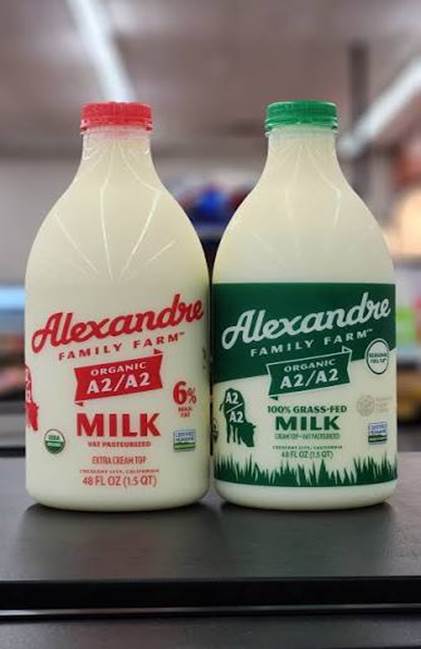
Here’s the science behind it all: The distinction between conventional milk and A2A2 dairy comes down to a single amino acid in the beta-casein protein chain. When the human body digests the A1 protein, it breaks down into a peptide called beta-casomorphin-7 (BCM-7). BCM-7 is linked to gastrointestinal discomfort, inflammation, and delayed transit time in the gut. Conversely, A2A2 milk is sourced exclusively from cows that naturally possess two copies of the A2 gene, meaning their milk completely lacks the A1 protein. During digestion, A2 beta-casein does not split to form BCM-7, resulting in a much gentler digestive process.
This structural difference explains why many individuals who suspect they are lactose intolerant find they can drink A2A2 milk without any discomfort. In many cases, consumer distress is not triggered by the lactose sugar itself, but rather by the inflammatory response caused by the A1 protein. By switching to A2A2 dairy products, these consumers can enjoy the full nutritional benefits of real dairy—including calcium, protein, and essential vitamins—without the bloating, cramps, or stomach pain associated with conventional milk.
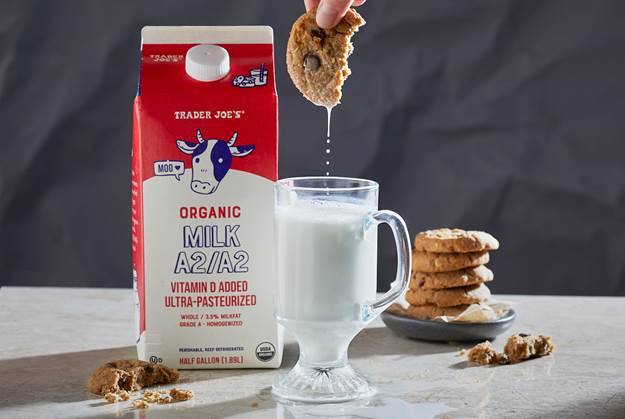
For dairy farmers, shifting to A2A2 production represents a lucrative and sustainable opportunity. Herds can be transitioned to 100% A2A2 status over time through genetic testing and selective breeding using homozygous A2A2 bulls. Certain heritage breeds, such as Guernsey, Jersey, and various African and Asian cattle, naturally produce higher percentages of A2 milk compared to the Holstein-Friesian cows dominant in modern commercial farming.
As the global wellness market expands, A2A2 dairy is no longer limited to milk. The market now features a diverse array of A2A2 cheeses, yogurts, infant formulas, and butter. This variety makes it easier than ever for health-conscious families to upgrade their refrigerators. By prioritizing digestive comfort without compromising on taste or nutrition, A2A2 dairy is proving to be a permanent evolution in how the world consumes dairy.
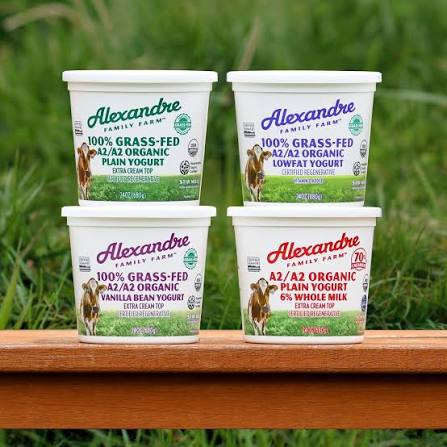
I’ve switched to A2A2 dairy products (butter and yogurt so far), and am very excited about how good they are and how wonderful I’s been to kiss all that dairy-related cramping good-bye! Two brands I’ve been using for over 6 months now, are Trimona Bulgarian Yogurt® and Alexandre Family Farms®.
I’ll close with a recipe from Trimona for a chicken dish using their yogurt. (Of course you can substitute any plain yogurt, if you prefer.) And to any of you dairy-sensitive folks, here’s to a whole new dining adventure!
Trimona Marinated Chicken Breasts
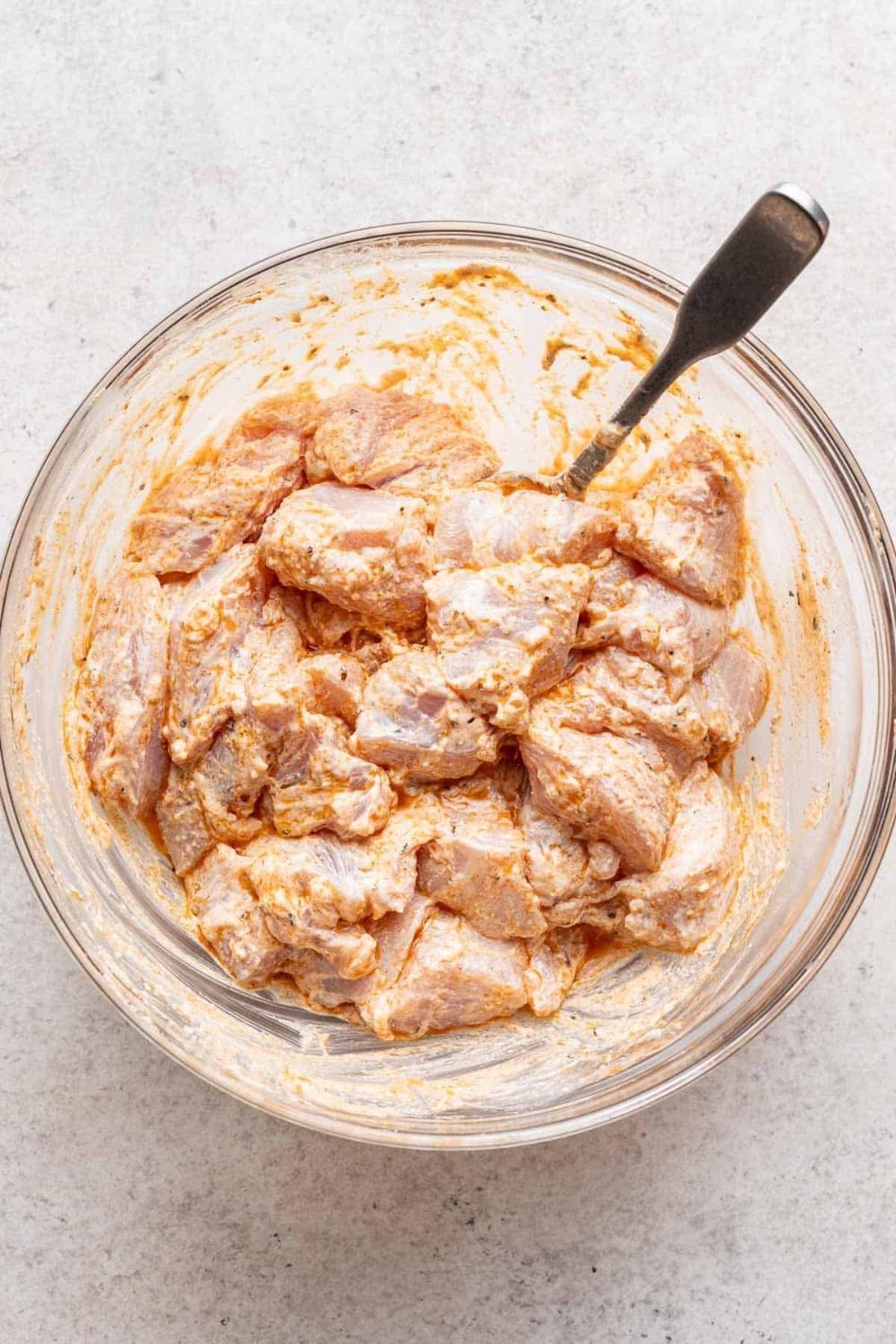
1 cup Trimona Bulgarian Yogurt
4 chicken breasts cut into 1 ½-inch cubes
1/3 cup peeled and pureed cucumbers
2 tablespoons fresh chopped dill
1 clove garlic grated or minced
1/2 teaspoon sea salt
1/4 teaspoon black pepper
smoked paprika to taste (optional)
Directions:
It only takes 1 hour to marinate, but it can be left refrigerated overnight.
Cook in frying pan (avocado or olive oil is best). If using a stainless-steel pan, cook until bottom and sides of pan become slightly caramelized.
Serve with sauteed spinach and quinoa topped with more Trimona plain yogurt.
(NOTE: This recipe was tested using salmon and the results were fantastic!)
Recipe formatted with the Cook'n Recipe Software from DVO Enterprises.
 Alice Osborne
Weekly Newsletter Contributor since 2006
Email the author! alice@dvo.com