
An Ancient Grain with a Dedicated Following!
Have you heard of spelt? It’s an ancient grain that has cultivated a dedicated following among health-conscious bakers and nutritionists for over twenty years. Often referred to as a "cousin" of modern wheat, this hulled grain was a staple in Europe for centuries before being replaced by higher-yield modern wheat varieties. Today, spelt is experiencing a revival, valued for its distinctive mild, nutty flavor, impressive nutritional profile, and greater digestibility.
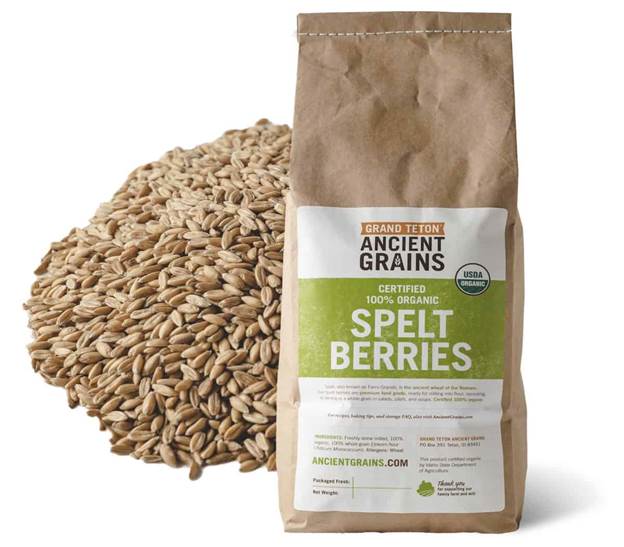
In a nutshell, spelt exceeds modern wheat in essential vitamins and minerals. In greater detail, though, here are the nutritional/health benefits of this amazing, powerhouse grain:
HIGH PROTEIN CONTENT: It has approximately 15% more than modern wheat, and is packed with iron, magnesium, phosphorus, zinc, and manganese.
AIDS DIGESTION: Because spelt is more water-soluble than wheat, its nutrients are easier to absorb, and many people with mild wheat sensitivities find it easier on their digestive systems. However, it is important to note that spelt contains gluten and is not suitable for individuals with celiac disease.
HIGH FIBER CONTENT: As a whole grain, spelt is an excellent source of dietary fiber, which aids digestion, promotes satiety (keeping you fuller longer), and helps maintain healthy weight.
HEART HEALTH: The high soluble fiber content in spelt can help reduce LDL ("bad") cholesterol levels, while its magnesium and potassium content supports healthy blood pressure, lowering the risk of heart disease.

STEADY ENERGY: Due to its complex carbohydrate structure, spelt provides sustained energy rather than sudden blood sugar spikes.
Spelt is incredibly versatile, available as whole grain berries, flakes, or flour (both white and whole-grain). Here’s what the baking pros recommend when baking with it:
· In baking, it substitutes easily for traditional flour. You can swap spelt flour for all-purpose or whole wheat flour in a 1:1 ratio in virtually all recipes, including muffins, cakes, and cookies.
· Because spelt gluten is more delicate than wheat gluten, it requires less kneading.
· And it absorbs liquid differently, often needing slightly less water than traditional whole wheat flour to prevent sticky dough.
It compares to rice or barley when cooking. Spelt berries should be cooked similarly (simmered) for 45–60 minute. They make a great base for hearty salads, and grain bowls. And like rice or barley, they’re a delicious addition to soups and stews.
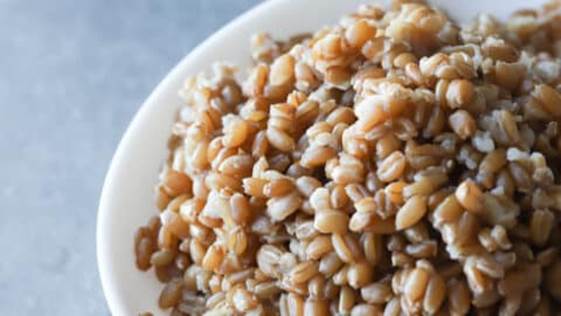
While not commonly available, you can find spelt flakes in whole foods stores (or if you have a grain roller, you can make your own). They are a fantastic, slightly chewy alternative to rolled oats.
With its nutritional density and delicious nutty flavor, incorporating spelt into your diet is a simple way to add some pizazz to your cooking and baking. If you’d like to give this grain a try, here’s a delicious recipe I found on www.itsnotcomplicatedrecipes.com. The no-knead feature is a nice thing if you’re in a hurry to get a bread mixed and proofing.
Spelt NO-Knead Bread
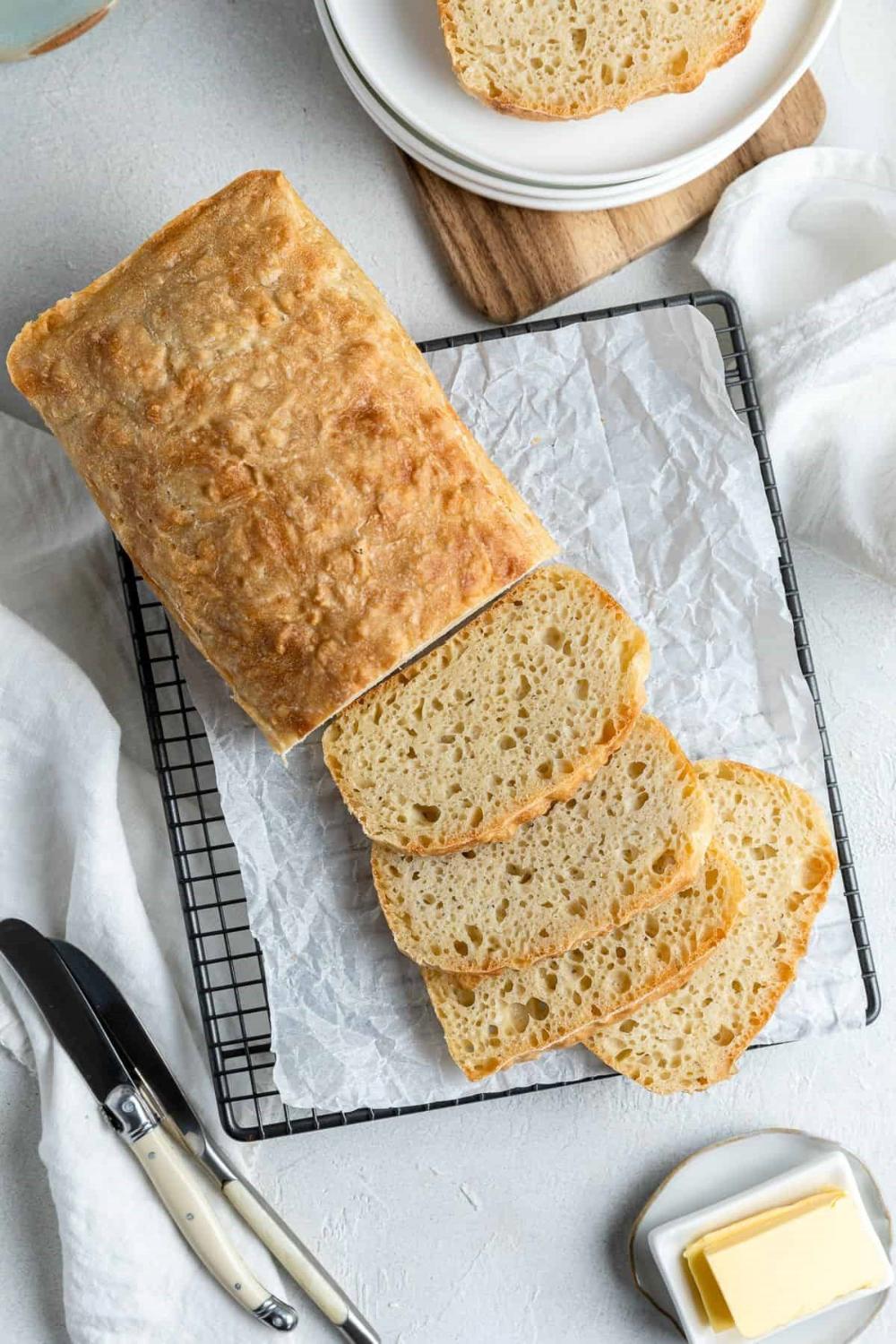
3 cups white spelt flour
1 teaspoon instant dry yeast
1 teaspoon sugar
1 1/2 teaspoons coarse kitchen salt
1 tablespoon extra virgin olive oil
1 1/2 cups water room temperature
Directions:
I have used a non-stick loaf pan and used a strip of non-stick baking paper to just cover the base, leaving some overhang to make it easy to remove the bread. If your pan is not non-stick, you will need to line the sides and the base. The easiest way to do this is to slightly dampen the baking paper, wring it out thoroughly, and press it into the tin.
Add all your dry ingredients to a medium-large bowl. Give them a stir, then make a well in the center and add olive oil. Slowly pour in the water, stirring with a wooden spoon to combine. Continue to stir for a minute or two, just until all the ingredients are thoroughly combined and no flour remains around the edges of your bowl.
Tip the dough into your prepared loaf tin and smooth with a dampened spatula.
Upturn a large bowl to cover the loaf tin and set aside for 5 hours to proof. Alternatively, tent a large plastic bag above the tin, ensuring that it will not touch the dough as it rises.
After 5 hours, the dough will have doubled in size and be bubbly and soft.
Transfer the loaf tin to a cold oven. Turn the oven to 390 F and bake the bread for 40 minutes.
Remove bread from oven and, using the baking paper to help remove the bread, transfer it to a cooling rack. Tap the base and if it sounds hollow the bread is cooked. Otherwise, return to the oven for another 5 minutes. Test again.
Once the bread is cooked, leave it to cool on the wire rack. Cool completely, or serve while slightly warm with olive oil or butter.
NOTES:
• Instant yeast can be added directly to the dry ingredients without proofing first. If you are using active dry yeast, you will need to activate it first. To do this, dissolve the yeast and the sugar in a little warm water. It must not be hot, or it may destroy the yeast. Set it aside for 10 minutes, or until it bubbles. Then, add it to the flour with the remaining ingredients and follow the rest of the recipe as listed. Be sure to deduct the amount of water you use from the amount specified in the recipe. If it does not bubble, this means the yeast is dead and you will need to start with a new packet.
• You can use honey if you prefer.
• Table salt is not suitable. It is stronger and may make your bread too salty.
• You can use a shorter proofing time if you prefer. Set the dough aside for 1 -3 hours until it has doubled in size and is bubbly on top. A longer proofing time will give the bread extra flavor. If you prefer, you can proof the dough overnight. Put the dough, in the bowl, covered, overnight in the fridge. In the morning, bring it to room temperature for about a half-hour. Gently tip the dough into the prepared tin, smooth with a damp spatula and then bake as per the recipe.
Recipe formatted with the Cook'n Recipe Software from DVO Enterprises.
 Alice Osborne
Weekly Newsletter Contributor since 2006
Email the author! alice@dvo.com
www.ancientgrains.com
www.instagram.com
www.aredspatula.com
www.itsnotcomplicatedrecipes.com