
A Dish That Feels Like Spring (and Means Something More)
Hey chefs,
Easter is one of the most meaningful meals of the year.
Not because it’s elaborate.
Not because it’s trendy.
But because it represents something deeper—renewal, gathering, life returning again.
For many of us, Easter is about more than a season shift.
It’s about the resurrection of Jesus Christ—a reminder of hope, sacrifice, and new life.
And that meaning has always been reflected in the food we serve.
After a long winter, everything starts to wake up:
the fields turn green, herbs come back to life, and the food we crave begins to shift.
And at the center of many Easter tables, across cultures and centuries, is one dish:
Lamb.
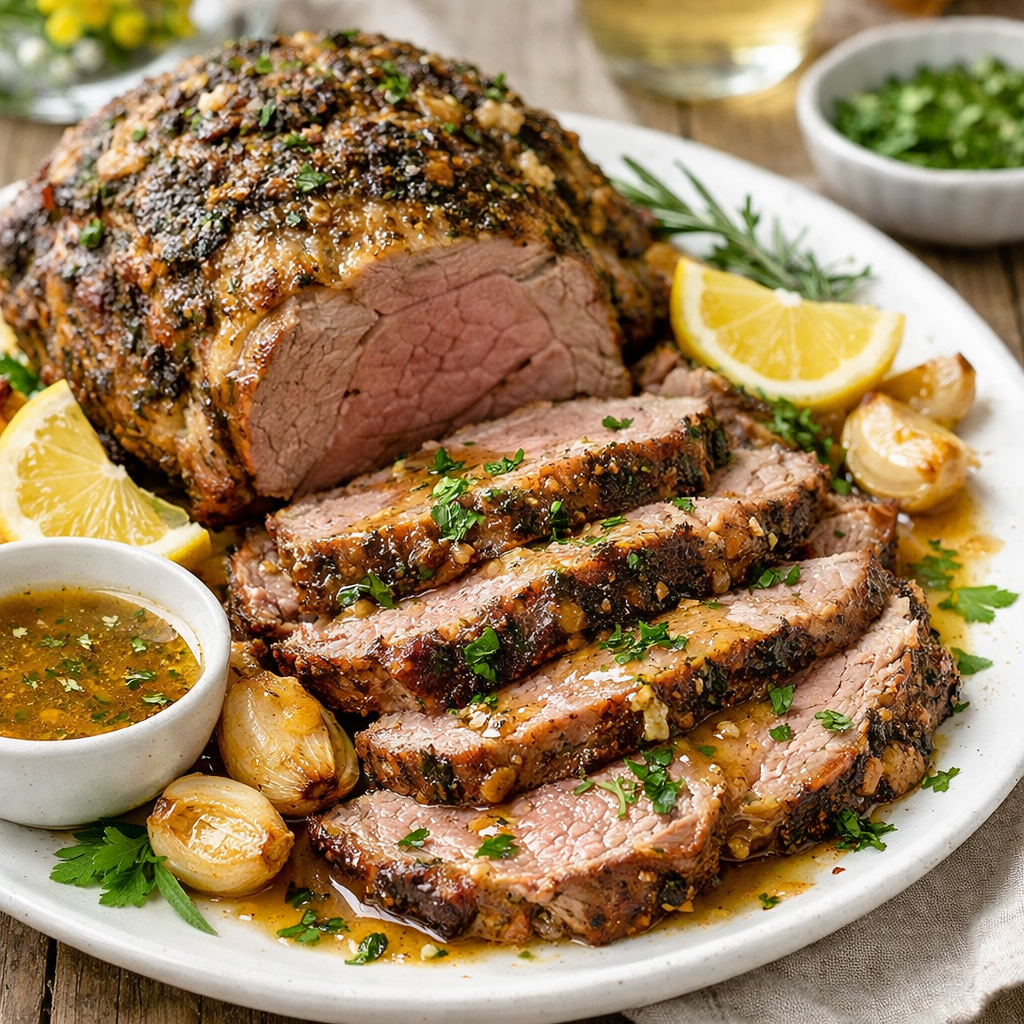
Why Lamb Matters (More Than Just Tradition)
Lamb isn’t just seasonal.
For Christians, it’s deeply symbolic.
Throughout scripture, lamb represents sacrifice, redemption, and ultimately Christ as the “Lamb of God.”
So when lamb shows up on the Easter table, it’s not just because it tastes good.
It’s a quiet reflection of the story we’re remembering:
- sacrifice
- renewal
- life given, and life restored
And at the same time, it aligns perfectly with the season:
- young animals
- new growth
- the beginning of something fresh
That overlap—spiritual meaning and natural seasonality—is what makes it so powerful.
The Goal: Rich, But Alive
This is where people go wrong.
They treat lamb like a heavy winter roast.
But Easter cooking should feel like this:
- bright
- herbaceous
- fresh
- balanced
You’re not trying to hide the richness of lamb.
You’re trying to lift it.
Because this meal isn’t about heaviness.
It’s about life.
Step 1: Building Flavor Before Heat Ever Hits the Oven
The biggest mistake people make?
They rely on cooking to create flavor.
Professional kitchens don’t do that.
Flavor starts before the heat.
That garlic-herb paste you rub onto the lamb isn’t just seasoning—it’s your entire flavor foundation.
- Garlic brings depth
- Rosemary + thyme bring structure and aroma
- Lemon zest adds brightness before the dish ever hits heat
Chef insight:
Fat carries flavor. When you mix herbs with olive oil, you’re not just making it spreadable—you’re helping those flavors coat and infuse the meat evenly.
And don’t be shy here. Lamb can handle it.
Step 2: High Heat First — Why the Crust Matters
That initial blast of high heat?
That’s not about cooking the inside.
That’s about creating the outside.
You’re developing:
- browning
- texture
- depth
This is where the flavor really begins to build.
It’s the difference between:
something that’s simply cooked…
and something that feels complete.
Step 3: Gentle Roasting — Respecting the Ingredient
Once the crust is set, you lower the heat.
Now you’re not forcing flavor—you’re guiding the result.
Lamb is at its best when it’s:
- tender
- juicy
- slightly pink
Overcooking doesn’t just dry it out—it takes away what makes it special.
And for a meal like Easter, where everything carries a little more meaning, it’s worth doing it right.
Step 4: Resting — Letting It Settle
Resting isn’t just a technical step.
It’s a pause.
A moment where everything settles:
- juices redistribute
- texture relaxes
- flavors come together
There’s something fitting about that in an Easter meal.
Not rushed. Not chaotic. Just… ready when it’s ready.
Step 5: The Pan Sauce — Bringing It to Life
The pan sauce is where everything comes into balance.
You’ve built:
- richness from the lamb
- depth from roasting
- savory notes from garlic and herbs
Now you add brightness, lift, and clarity.
- Wine pulls up all the flavor from the pan
- Stock rounds it out
- Butter softens it
- Lemon sharpens everything at the end
This is what makes the dish feel like spring instead of winter.
Step 6: Finishing — The Difference You Can Feel
Right before serving:
- fresh herbs
- a little lemon zest
- maybe a light drizzle of olive oil
It doesn’t seem like much.
But it changes everything.
It adds freshness, aroma, and life back into the dish—right at the moment it hits the table.
What This Dish Really Teaches You
This isn’t just about lamb.
It’s about learning how to cook with intention:
- building flavor in layers
- respecting the ingredient
- finishing with balance
It’s about making food that feels like it belongs to the moment.
The Heart of It
Easter meals aren’t about perfection.
They’re about gathering.
They’re about meaning.
They’re about sitting around a table with people you love and sharing something that was made with care.
And for many of us, they’re also about remembering something sacred.
Food has always been part of that.
Simple ingredients. Thoughtfully prepared. Shared together.
Click here for the full recipe with exact measurements and timing.
Make it. Share it. And make it part of your table this Easter.
Cook something that feels like the season—and honors what the day means to you.
 Brennah Van Wagoner
Weekly Newsletter Contributor since 2025
Email the author! brennah.oaks@gmail.com