
The Secret to Flakier Pastry Might Surprise You
You know what’s going on in the foodie world? A renewed interest in LARD is steadily growing. I’m continuing to see more and more articles on the topic. New cooks and bakers are saying they appreciate its mild flavor and versatility. Unlike delicate frying oils, such as sesame oil, lard is stable at high heat (374°F/190°C). My mother and her sisters used lard exclusively (well, when they weren’t using bacon fat).
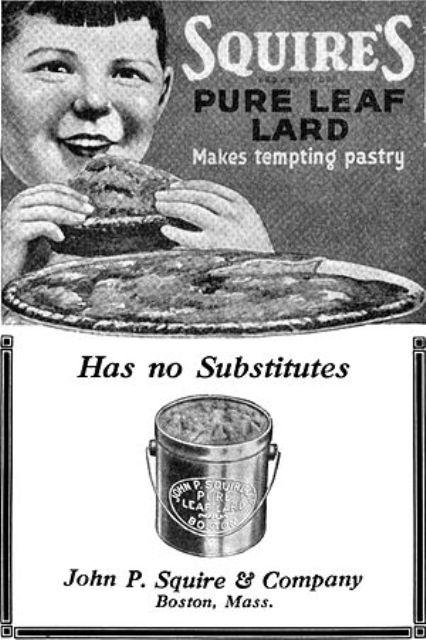
If you are like so many home cooks out there that are even thinking about trying lard, then you’ll appreciate the information below. This is research from www.seriouseats.com. Jess Eng, one of Serious Eats Associated Editors provides some good insights:
Not long ago, lard was vilified for its saturated fat content, especially during the low-fat diet craze of the latter half of the 20th century, when any animal fat was deemed unhealthy. But nutrition science has since shifted its position and is suggesting we do the same.
It’s a tough sell, though because some people still confuse natural saturated fats with artificial trans fats. The US banned artificial trans fats—created by hydrogenating vegetable oils to make them solid and shelf-stable—in 2015, and the ban went into effect in 2018. In contrast, small amounts of natural trans fats occur in the meat and dairy of ruminant animals, but they're structurally different and research is showing they can do little harm if eaten sparingly.
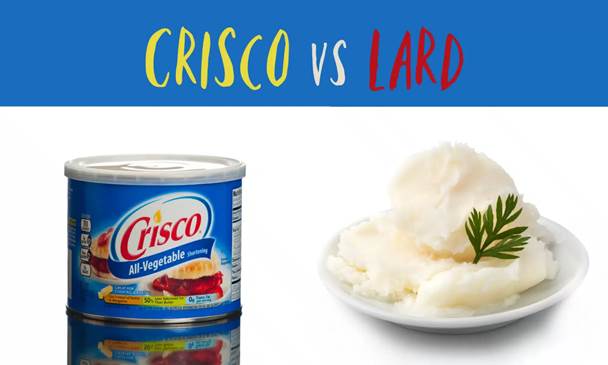
In fact, rendered lard, especially from pasture-raised animals, is not hydrogenated like old commercial shortenings were. It contains a mix of monounsaturated, polyunsaturated, and saturated fats. And in fact, has more monounsaturated fat and less saturated fat than butter does.
Though butter is regularly recommended as a convenient substitute for lard in recipes, the two fats are not interchangeable. They differ in both flavor and composition: Leaf lard is 100% fat and has a neutral flavor, whereas butter usually contains about 20% water and has a distinctly creamy taste. Butter melts faster than lard, softening around 58 and 69°F (14 to 20°C). Meanwhile, lard has a melting point of around 95° and 118°F (35 to 48°C), which means it doesn't soften as quickly while you handle it.
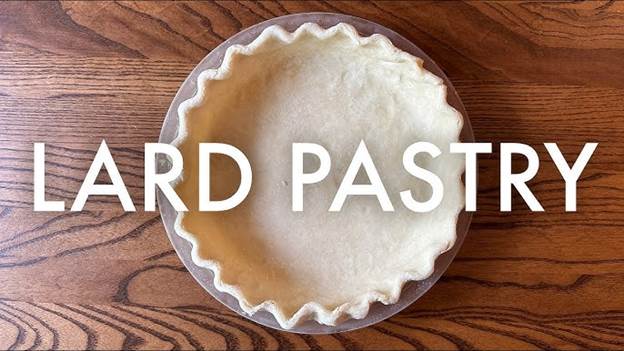
You’ll noticed a marked difference in texture when using lard: Lard dough is more tender, and is more delicate when baked. The trade-off between the flavor of butter and the superior texture imparted by lard is one many bakers accept, which is why pastry and other baked good recipes often call for a mixture of the two fats: butter for flavor and lard for a crisp, delicate texture.
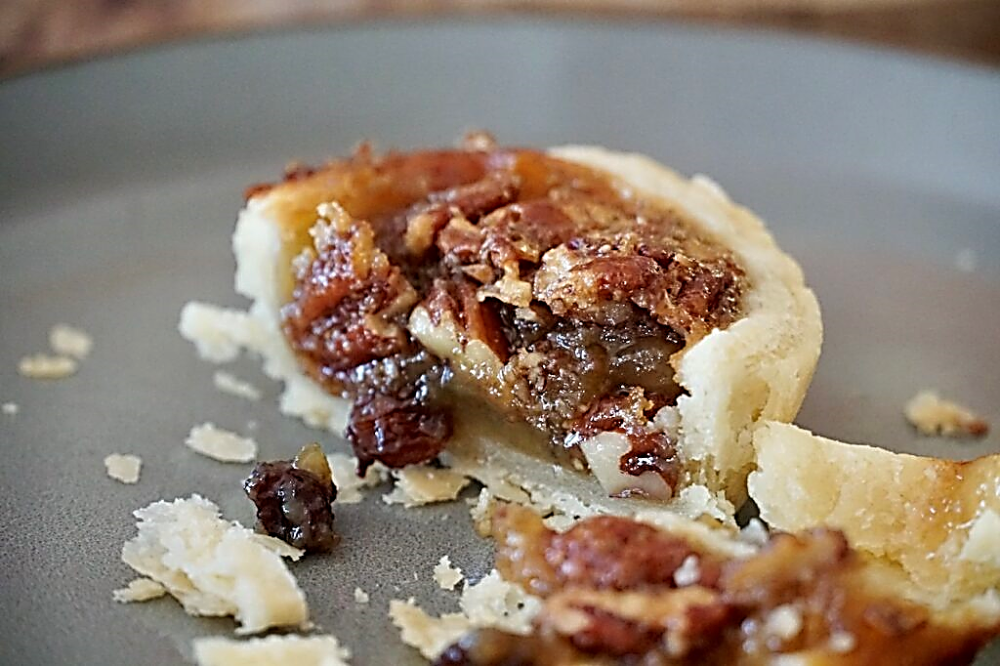
My lard expertise is limited—drawn only from my mother’s delicious home-cooking that usually included lard in some way. But that experience is enough to entice me to give lard a try. I think I’ll start with this recipe for Canadian Butter Tarts. I’m really interested in what YOU think about how lard has gone from loved, to vilified, and now back to loved. Please share your thoughts in the comments section.
Canadian Butter Tarts
PASTRY
2 1/4 cups unbleached, all-purpose flour
1/2 teaspoon kkosher salt
1/2 cup butter cold
1/2 cup lard cold
1 egg
1 tablespoon white vinegar
6 to 8 tablespoons cold water
extra flour for rolling the pastry
FILLING
1/2 cup butter
2/3 cup dark brown sugar
1/4 cup pure maple syrup
1/4 cup sugar
1/2 teaspoon kosher salt
2 eggs room temperature
1 tablespoon white vinegar
1 teaspoon pure vanilla extract
OPTIONAL
nuts 1/3 cup pecans or walnuts, chopped
dried fruit 1/3 cup raisins or currants
Directions:
Sprinkle the salt into the flour. Stir to combine then pour half the quantity into a food processor fitted with a blade attachment. Add the cubed butter and shortening then add remaining flour. Run processor on low speed to form small pea-sized crumbs. Sprinkle 6 tablespoons of liquid onto the flour mixture, then run on low to combine. Add a bit more liquid if the dough seems dry. Spill the dough onto a lightly floured work surface and bring together by hand. Do not overwork. Form into disc and wrap, refrigerating for at least six hours, preferably overnight.
Prepare tart shells: On a lightly floured surface, roll out the dough to a ¼-inch thickness. Cut out 4-inch circles using a cookie cutter, glass, cup or bowl. Transfer the rounds of dough to a large, 12-cup non-stick muffin pan, pushing them down into each well. Transfer muffin pan to refrigerator and chill for 30 minutes.
If using raisins: Place them into a small bowl and cover with boiling water, leaving them to sit for 10 minutes. Strain, then transfer to a paper towel-lined plate to remove excess moisture.
Preheat the oven to 400°F.
Prepare the filling: In a small saucepan, add brown sugar, butter, maple syrup, granulated sugar and salt. Place on stovetop set to low or moderate heat. Stir to melt butter and dissolve sugars and salt.
Crack eggs into a large liquid measure. Add vanilla and vinegar and whisk to combine. While continuously whisking, slowly drizzle in sweetened butter mixture until well combined.
Prepare the butter tarts: Remove tart shells from refrigerator. If preparing the butter tarts with fruit and nuts, add a few of each into the center of each pastry-lined cup. Pour tart filling into each cup, ¾ full and never to the top. Transfer to preheated oven and bake for 10 minutes. Then rotate the pan, reduce temperature to 375°F and bake for 8 - 10 minutes more or until pastry is golden and centers no longer jiggle and seem firm.
Cool tarts in pan for about 15 minutes before removing. Enjoy!
Recipe formatted with the Cook'n Recipe Software from DVO Enterprises.
 Alice Osborne
Weekly Newsletter Contributor since 2006
Email the author! alice@dvo.com
www.powerathletehq.com
www.thecoconuutmama.com
www.youtube.com
www.weekendatthecottage.com