
When It Comes to Oats, We Can Trust the Scots!
Do you ever think of oatmeal as a lavish affair? It sure can be; simply cover it in whole milk or cream, top it with flowing rivers of butter, drizzle it with honey or maple syrup, garnish it with fruits, and top it with nut butters. A very decadent version!
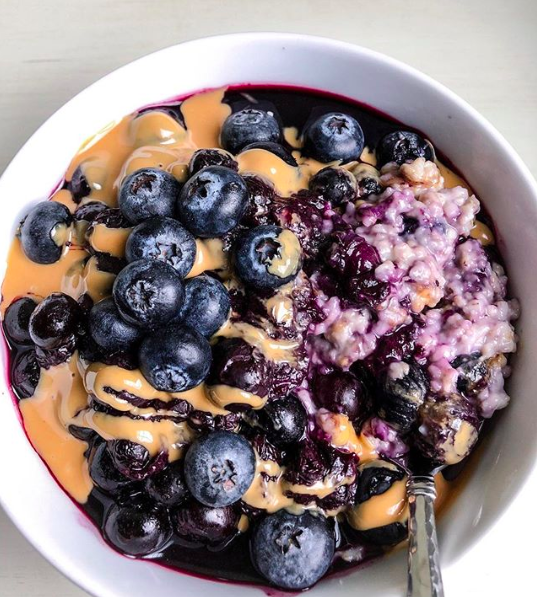
Oatmeal doesn't have to be loaded like this to be great, though. So say the Scots, masters of cooking up oatmeal. It just happens that Scotland is actually the Land of oats and they know their way around a bowl of oatmeal.
Scotland is renowned for its oats. The climate and soil conditions in Scotland are particularly well-suited for growing oats, making it a prominent part of the country's agriculture and culinary traditions.
Classic Scottish oats are humble and simple, made with just water and salt. While I haven’t mentioned the optional butter as part of their classic recipe, too many oatmeal aficionados firmly state “There’s no such thing as optional butter when making oatmeal!”
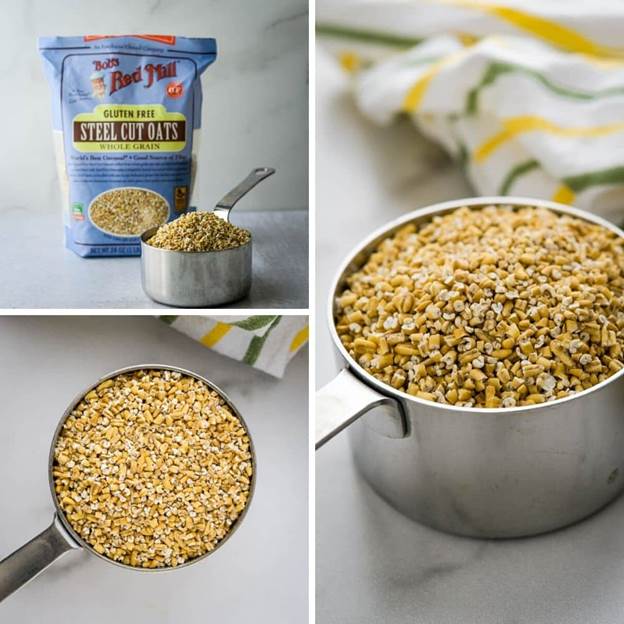
With all this as introduction, here’s my point, “Scottish oats” are really good, and really good for you. But there are a few things you need to know to successful cook them. Thus, here are the most important techniques and details to pay attention to:
USE STEEL-CUT OATS (aka “pinhead”) AND NOT ROLLED OR INSTANT OATS. They take longer to cook, but they're nuttier and produce a much better texture. You can dry-toast them for a deeper, lightly roasted flavor; it's a nice touch that only takes a few extra minutes. (Careful not to burn them!)
SAVE TIME WITH AN OVERNIGHT SOAK. Think about how nice it would be to wake in the morning and have breakfast already pretty much made—a full pot of oats that have been hydrating while you slept. Hydrated steel cut oats cook up much more quickly, saving you at least 15 minutes on the total cooking time.
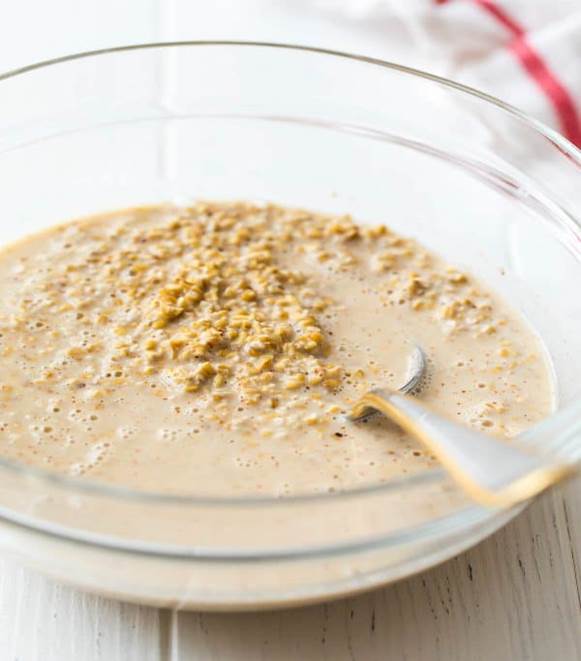
ADD SALT. A little salt makes a big difference in the oatmeal's final flavor. You don’t want it too salty, of course, but it should taste seasoned. Then finishing the oatmeal with a few large crystals of flaky sea salt is also a worthwhile move.
STIR GENTLY. How you stir makes a difference. Stir too little and you could end up with scorched oatmeal, thin and watery oatmeal, or both. Stir too rapidly, and it could turn into a pot of oat glue. That's because stirring loosens starches from the oats and disperses them throughout the pot, thickening the porridge in the process. With gentle and frequent stirring, you'll get oats that are plump and suspended in a creamy glaze, neither thin nor cement-like.
The recipe says the butter is optional, but it's not. I know I already told you this, but I'm telling you again because it’s like the “tour de force.”
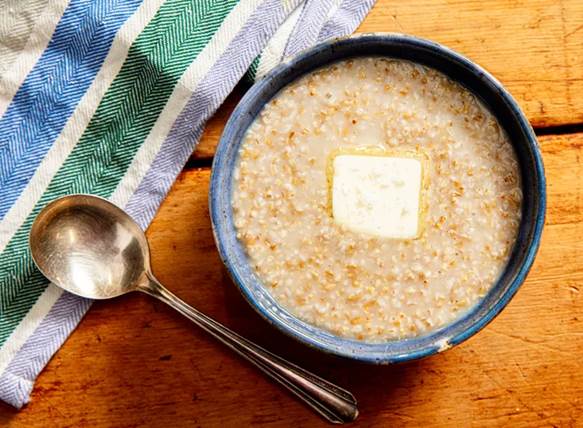
But if, for whatever reason, you must skip the butter, consider a bit of cream instead. Generations of Scottish oatmeal cookers and eaters know why this matters—we can trust ‘em!
 Alice Osborne
Weekly Newsletter Contributor since 2006
Email the author! alice@dvo.com
www.thefeedfeed.com
www.garlicandzest.com
www.wellplated.com
www.seriouseats.com