
Oven Alert: Stop Using It Wrong!
This just in from www.allrecipes.com: The placement of oven racks in a standard oven should change based on what you are baking. Don’t do this, and you run the risk of ruining what you’re baking. (Ask me how I know this is true!)
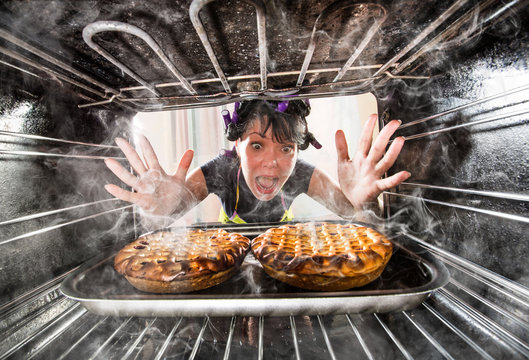
In a move straight out of home economics class, you can list an in-a-nutshell alphabetical system to help you remember what each rack is used for. This information is valuable!
- "A" (lowest level rack) is for angel food cake and anything tall.
- "B" (lower center rack) is for biscuits and brownies.
- "C" (center rack) is for cakes and cookies.
- "D" (top rack) is for "do not use."
Now, while avoiding the top rack placement altogether might not be an absolute (what about broiling?), the general idea is there. Making sure your food is correctly placed in the oven will determine how it bakes, and can make a dramatic difference in the finished dish.
According to one of New York City’s most prolific food writers and educators, P.J. O’neal, here are the oven zones to use for every cooking situation:
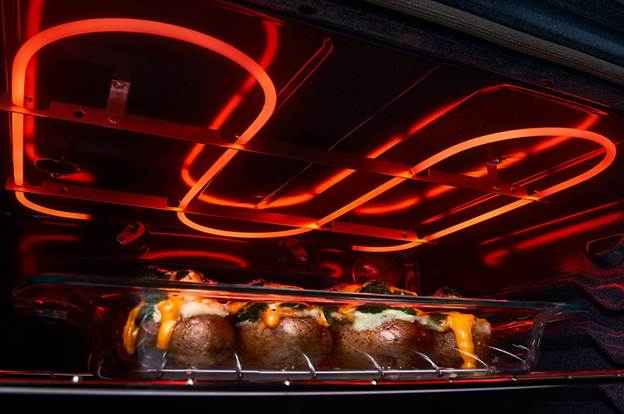
First, the aforementioned broiling. It’s just like grilling, where direct heat or open flame is what's cooking your food. The difference, however? Broiling cooks from above, grilling cooks from below. Broiling creates a char on meats, vegetables, or pretty much anything covered in cheese.
In most ovens, the broiler is located at the very top of the oven. You need to place the rack at the highest setting, closest to the heat source. But pay close attention, though, because it can easily go from perfectly golden to burnt in seconds. Note: some gas stoves have broilers in the bottom drawer compartment, so don’t store anything there, if that's the case.
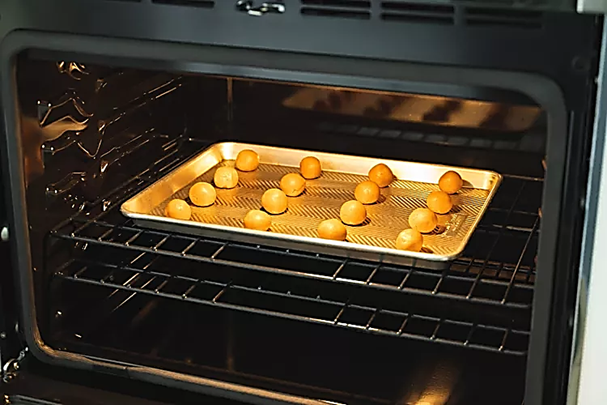
Next, baking. This is a dry heat method that uses air as the heat transfer system. Baking needs even cooking to ensure a good rise without too much browning or worse—burning—in baked goods like cakes and cookies. The center rack placement is key to making sure the air is circulating evenly without your baked goods being too close to either heat source to risk burning.
Finally, roasting. Roasting and baking are NOT the same. Would you ever say you are "roasting" a cake? Nope. P.J. says “Roasting is for thrill seekers.” This high heat method ensures a nice golden crust on your food (think crisp veggies or a whole chicken), while also cooking it thoroughly. To get those results on large cuts of meat like chicken or turkey, and on sturdy vegetables like potatoes, broccoli and Brussels sprouts, use the lower third of your oven—that's typically where the main heat source is located in ovens.
 Alice Osborne
Weekly Newsletter Contributor since 2006
Email the author! alice@dvo.com