
Let’s Be Soup-Savvy, and Maybe Make it More in 2026?
I’m referring to when it’s smartest to make your own, rather than get it from the store. Here’s a concise breakdown from surveyed chefs, as to the best soups to make, rather than buy.
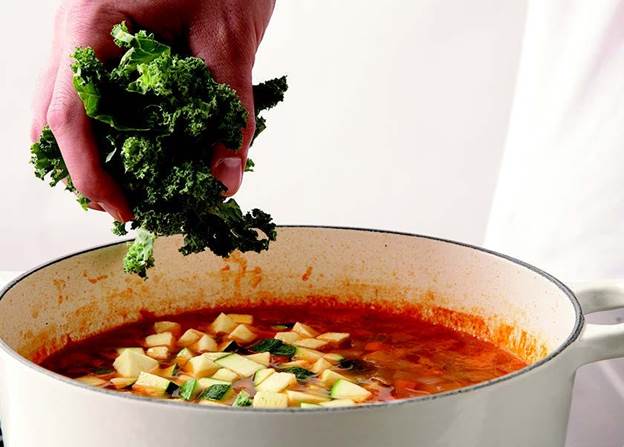
Cream of Mushroom Soup: Store-bought versions often rely on a high-temperature canning process that can mute flavors, while homemade recipes allow for the deep browning of fresh mushrooms and the use of quality cream or stock, resulting in a richer, more complex flavor and better texture.
Butternut Squash and other Winter Squash Soups: Roasting the vegetables in the oven before blending at home intensifies their natural, sweet, and nutty flavors, which are hard to replicate in mass-produced canned versions.
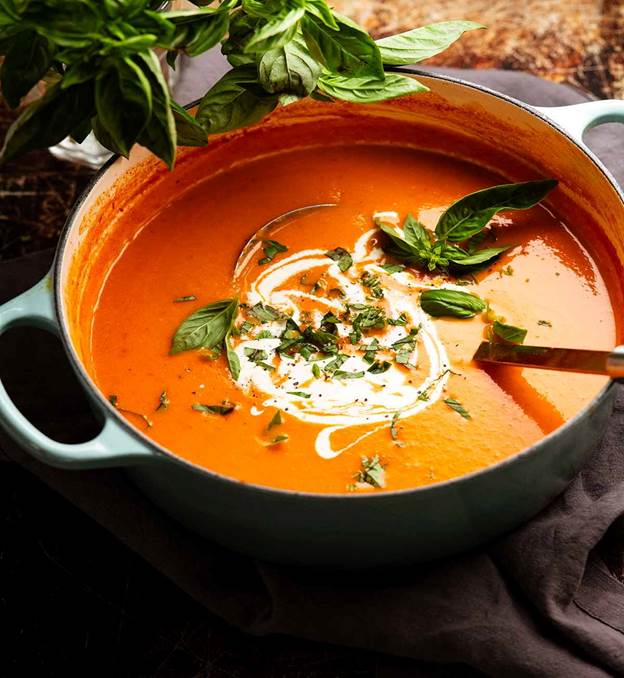
Roasted Tomato Soup: Homemade tomato soup, especially when made with fresh, seasonal tomatoes, offers a vibrant flavor profile and allows you to control the acidity and sugar levels, avoiding the excessive sodium often found in canned alternatives.
French Onion Soup: This soup relies heavily on the careful caramelization of onions, a process that builds deep flavor not easily achieved in a ready-made product. The finished soup, topped with a cheesy, broiled crouton, benefits immensely from being served fresh.
Broccoli Cheddar Soup: By making it from scratch, you can use fresh broccoli and a higher quality cheddar cheese, avoiding the processed ingredients and high saturated fat levels of some commercial versions while still creating a rich, creamy dish.
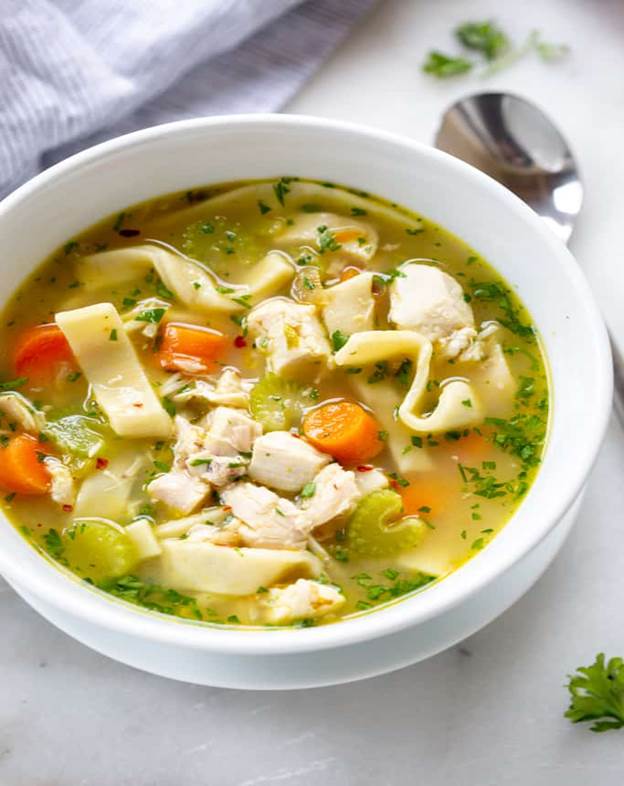
Chicken Noodle Soup: A homemade chicken soup made with slow-simmered bone-in chicken and fresh vegetables offers a superior, deep broth flavor that goes beyond the often-bland or overly-salted canned options, making it a better, more wholesome comfort food.
Cook’n cooks are educated and astute, so I probably don’t need to mention the distinct advantages to making our own soups. But just for drill, I will:
· There’s having total control over ingredients—the salt, fat, and sugar content; and there’s total avoidance of preservatives and additives commonly found in packaged foods.
· There’s enjoying superior nutrition—from whole, fresh, nutrient-dense ingredients, higher vitamin, mineral, and fiber content compared to typical canned options.
· There’s experiencing superior taste and texture—home prep methods, such as roasting vegetables or simmering aromatics slowly, enhance flavors that can be lost in the high-temperature processing used for canned soups. Additionally, homemade vegetables and noodles will have a better, less mushy, texture.
· There’s cost-effectiveness and convenience (over time): While it requires more initial effort, making a large batch of homemade soup is often more cost-effective than buying individual cans and can be frozen in portions for quick, healthy meals later.
Finally, I’ll add my own advantage—there’s the satisfaction of all the above. When you think about it, wouldn’t you say turning out a delicious home-cooked pot of soup is really satisfying and even therapeutic?

Maybe AI says it best: “A bowl of homemade soup is often linked to comfort, healing, and love, with its ability to soothe the soul (Isabel Allende), bring needed warmth (Edith Sitwell), and be a simple cure-all (John Steinbeck), reminding us that soup is a reflection of care, needing only good ingredients and a warm heart to be truly perfect.” (This said, I’m resolving to make it more in 2026! You in?)
 Alice Osborne
Weekly Newsletter Contributor since 2006
Email the author! alice@dvo.com