
What’s the Big Deal with Spurtles?
I'm writing an article for next week's newsletter about the glories of Scottish Oats (“When It Comes to Oats, We Can Trust the Scots!”) and in sharing tips for cooking them I said they should be “stirred gently.”
That comment leads me to my theme: One of the very best “stir gently” tools is the spurtle. Not coincidently, it happens to be a traditional Scottish wooden kitchen tool, dating back to the 15th century. It was specifically designed for stirring porridge (oatmeal), soups, stews, and broths.
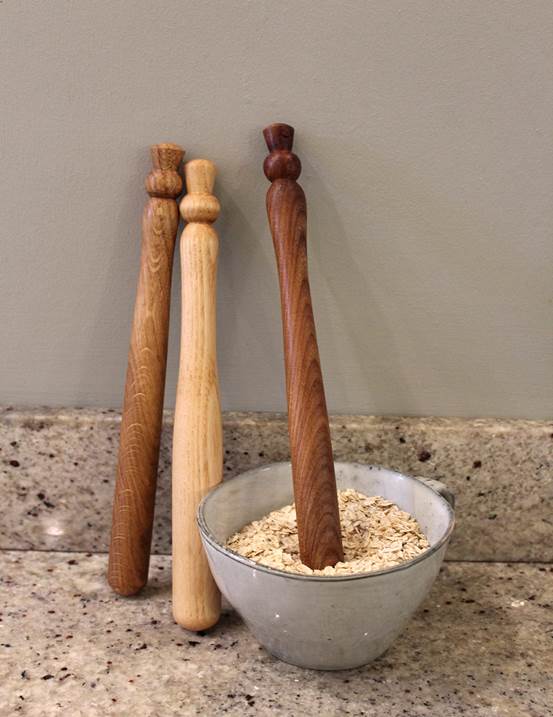
Unlike a spoon, which can cause porridge to congeal, the slender, rod-like design of a spurtle allows for smooth, lump-free stirring.
Traditionally, this wooden rod is roughly 10–12 inches long, sometimes featuring a carved thistle (Scotland's national flower) on the handle.
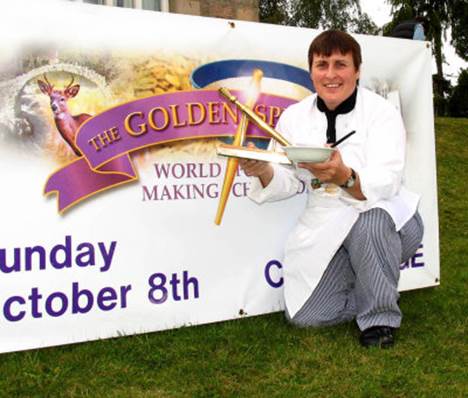
And here’s a fun fact to know and tell at the dinner table: The importance of the tool is celebrated annually in Carrbridge, Scotland, at the Golden Spurtle World Porridge Making Championship, where contestants from around the world compete for the title of World Porridge Making Champion. And you can believe these serious porridge-makers know their way around spurtles—having test run several before choosing one that will hopefully lead to a championship.
So why use a spurtle? 3 really good reasons:
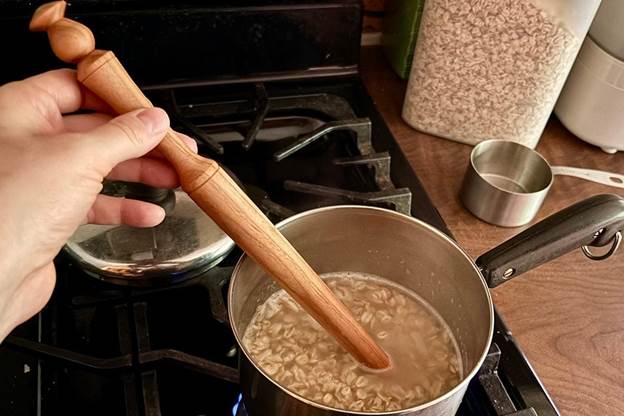
1. Because it has a small surface area compared to a spoon, it prevents the porridge or a pot of beans, or a kettle of chowder, etc., from getting stuck to the tool, ensuring a smooth, creamy texture.
2. Versatile and effective, it stirs extremely well—reaching into the corners of pots without splashing. But stirring isn’t all a spurtle can do. It’s a great tool for mixing cake batter, scrambling eggs, crushing tomatoes for sauce, and incorporating flour and water for sourdough starters.
3. And as they’re made of wood, they’re safe for non-stick, cast iron, and other delicate cookware.
Turns out, there’s a lot of lore around spurtles. According to Scottish tradition, a spurtle must always be stirred clockwise with the right hand; otherwise, the "devil and disappointment" will get into the porridge. (I think I like the idea of having something around I can blame a cooking disaster on!)
Like any wooden tool, spurtles should be hand-washed with mild soap and warm water. They are not dishwasher safe, as the heat can cause the wood to crack. And you’ll want to periodically treat the wood with mineral oil or edible beeswax, which will help maintain its longevity.
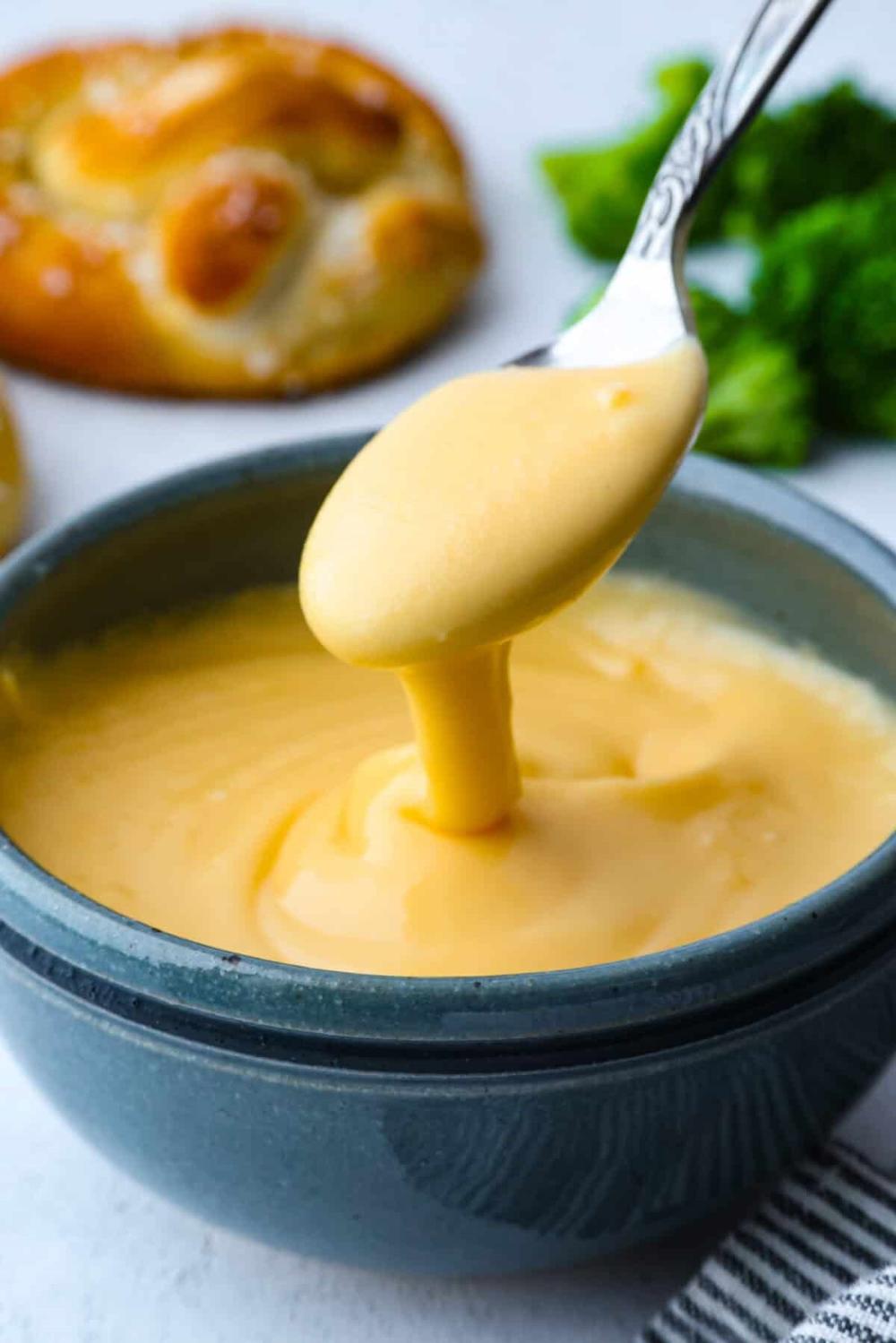
I’ll close with a recipe for a cheese sauce that comes together exceptionally well when using a spurtle. But if you don’t have one, make this anyway. It’s terrific—PERFECT for mac and cheese, vegetables, or pretzels.
Classic Homemade Cheddar Sauce
2 1/2 tablespoons butter
2 tablespoons all-purpose flour
1 cup whole milk
1 1/2-2 cups grated sharp cheddar cheese
Directions:
2. Using a spurtle, gently stir in flour to create a roux.
3. Slowly whisk in milk; simmer until thick.
4. Remove from heat before stirring in cheese; gently stir until melted.
TIP: Add a tiny pinch of cayenne pepper and a dash of mustard powder to enhance the flavor.
Recipe formatted with the Cook'n Recipe Software from DVO Enterprises.
 Alice Osborne
DVO Newsletter Contributor since 2006
Email the author! alice@dvo.com
www.scottishtextilesshowcase.com
www.pbase.com
www.tasteofhome.com
www.therecipecritic.com