
How to Read Dough Like an Italian Grandma
Hey chefs,
In culinary school this week we worked with dough, so let’s talk dough instincts—specifically, how to read dough like an Italian grandma. You know the type: she barely glances at a recipe, measures with her heart, and somehow turns out flawless, airy, golden loaves every single time. That magic isn’t magic at all… it’s technique, built on years of touching, stretching, poking, and listening to dough.
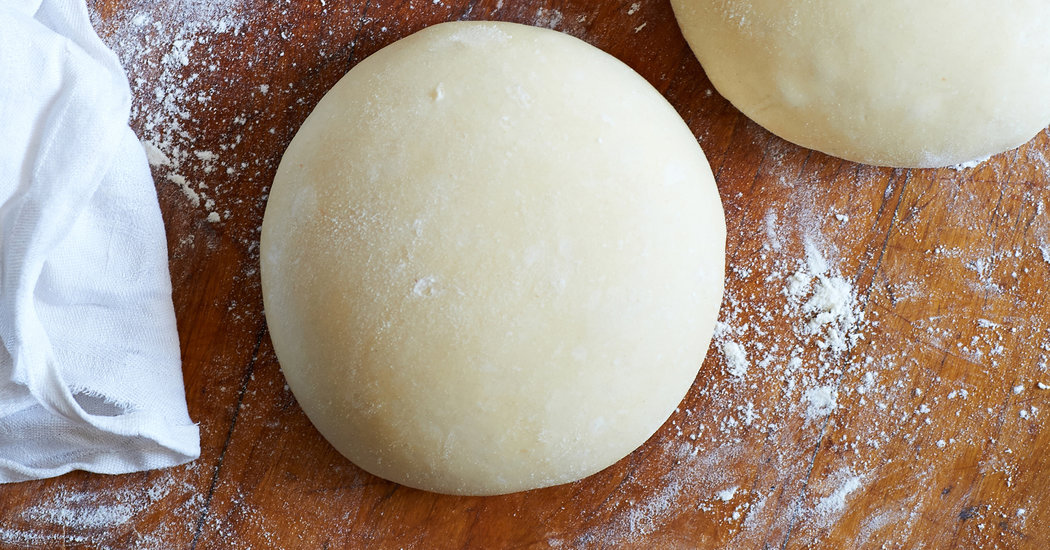
Today we’re diving deep into the instincts behind great dough. No recipe, no measurements—just pure, universal technique you can apply to everything from pizza dough to sandwich bread to enriched rolls.
Let’s break it down.
Hydration Cues: What Your Dough Is Telling You
Hydration (the percentage of water to flour) determines whether your dough is stiff like pasta or slack like focaccia. But beyond numbers, hydration is something you feel.
- If the dough tears easily when stretched: It’s too dry. Add water a teaspoon at a time and knead until it relaxes.
- If it oozes and sticks aggressively to your hands: It’s too wet. Dust lightly with flour—sparingly—just enough to bring it together.
- If it feels tacky but not messy: Perfect. Tacky is the sweet spot. A little cling means hydration is doing its job building extensible gluten.
Italian grandmas trust their hands, not hydration percentages.
What Smooth, Developed Gluten Actually Looks Like
Every dough goes through “the ugly phase.” It starts shaggy, lumpy, and confused. But as you knead, gluten strands form and the dough transforms.
Fully developed gluten looks like:
- A soft, slightly shiny surface
- A bouncy, elastic texture
- A dough that holds its shape instead of slumping into a puddle
You’ll notice a distinct change: it goes from “rough and resistant” to “silky and cooperative.” That’s the moment to stop kneading.
Windowpane Test vs. Poke Test
These two simple tests tell you almost everything you need to know.
Windowpane Test (Gluten Development)
Pinch off a small piece of dough and stretch it gently between your fingers.
- If it thins into a translucent membrane without tearing: Beautiful gluten.
- If it rips immediately: Knead a bit more.
- If it feels tough or snaps back aggressively: It might be over-kneaded or too dry.
Think of it like stretching fresh mozzarella—smooth, stretchy, and a little glossy.
Poke Test (Proofing)
Gently press your fingertip into the dough.
- Dough springs back slowly and leaves a soft indent: Perfectly proofed.
- Dough springs back immediately: Under-proofed; it needs more time.
- Dough collapses or doesn’t spring back at all: Over-proofed; you’ve gone too far.
This one test will save you from dense loaves and collapsed pizza crusts more times than you can count.
Recognizing Under-Kneaded, Over-Kneaded & Under-Rested Dough
Here’s where most bakers struggle—so here’s how to diagnose it like a nonna.
Under-Kneaded Dough
- Tears easily
- Feels lumpy
- Doesn’t hold shape
- Hard to roll out evenly
This dough needs more work and more time.
Over-Kneaded Dough
(Usually from a stand mixer—grandmas rarely do this by hand.)
- Tough and tight
- Snaps back when you try to shape it
- Feels rubbery instead of elastic
- Often leads to a dense crumb
Once gluten becomes overdeveloped, the dough loses elasticity and becomes uncooperative.
Under-Rested Dough
(A very common mistake.)
- Dough fights you when rolling
- Springs back every time you pull it
- Tears easily during shaping
This dough simply needs to relax. Give it 10–20 minutes, covered, and it will behave beautifully.
How Dough Should Feel
If I could put one lesson from culinary school into every home kitchen, it’s this: dough should feel alive.
It should be:
- Supple — not stiff
- Warm to the touch after kneading
- Soft like the inside of your cheek
- Slightly springy when pressed
- Smoother each time you touch it
Great dough holds tension on the exterior while staying cushioned and elastic inside. If it feels like Play-Doh, you’re not there yet. If it feels like a well-worn leather bag—pliable, stretchy, cooperative—you’ve nailed it.
Final Thoughts
Reading dough is a skill that lives in your fingertips. The more you touch it, the more fluent you become. Italian grandmas didn’t learn dough from textbooks—they learned from repetition, intuition, and trust. You will too.
So next time you’re making pizza dough—or any dough—put the recipe down for a moment and actually listen to what the dough is telling you. It’s the best teacher you’ve got.
Until next time, keep those hands floured and your instincts sharp.
Keep calm and roll on.
 Brennah Van Wagoner
Weekly Newsletter Contributor since 2025
Email the author! brennah.oaks@gmail.com