
Are You SURE You Know How to Use Aluminum Foil?
Since holiday baking and cooking is on the doorstep, let’s talk about doing so using aluminum foil. I’ll get right to it: there are some basic techniques and safety tips we need to know.
FOR BAKING AND ROASTING:
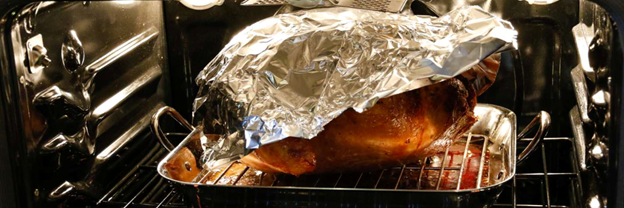
· Prevent burning: Loosely cover baked goods with a foil tent to prevent the top from browning too quickly, especially during long baking times.
· Retain moisture: Tightly seal food in foil packets to trap steam and keep it moist and tender, which is ideal for roasts and casseroles.
· Prevent sticking: Use non-stick foil, or crinkle and then smooth out a piece of regular foil to create a textured surface that prevents food from sticking, says this Reddit post.
· Lining pans: To get a perfect fit, turn the pan upside down, place the foil over it, and shape it to the outside of the pan before placing it in the correct pan. (Terrellgram, a longtime Cook’ n subscriber, told us about this way back in 2012. I’ve been following her advice ever since and want to thank her again for all the time this brilliance has saved me over the years!)
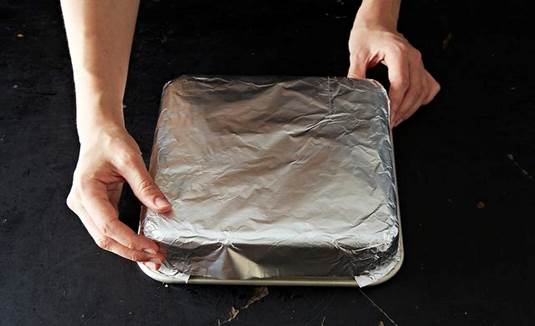
· For a secure fit, spray the pan with non-stick spray before lining with foil.
· Baking with foil: When using a foil lining for a baking sheet, remember that it can cause bottoms to brown more quickly, so a lower temperature or shorter cooking time may be needed.
SAFTEY CAUTIONS:
· Do NOT line the bottom of the oven bottom: Never line the bottom of your oven with foil, as it will block air vents, cause heat problems, and create a fire hazard.
· Use caution with acidic foods: Avoid cooking foods with high acidity, like tomatoes or citrus, directly on foil because it can cause aluminum to leach into the food. If you must use foil, line it with parchment paper first.
· Shiny vs. dull side: Maybe by now you all know this, but the shiny and dull sides of the foil are functionally the same; the difference is due to the manufacturing process. You can confidently use either side for cooking.

· Microwave use: It is not recommended or safe to use aluminum foil in a standard microwave due to the high risk of sparking (arcing), fire, and damage to the appliance. Metal reflects microwaves, causing the electric charges to build up, especially on sharp or crumpled edges, which can then discharge as sparks.
Lastly, I’ll close with my own tip for using aluminum foil. It’s not specifically about baking or cooking with it; this tip is about ease-of-use. I share this because, I only learned this a couple years ago, and I’m 76! Thus, I suspect there could be other veteran cooks out there that also do not know this smart idea. Here you go:
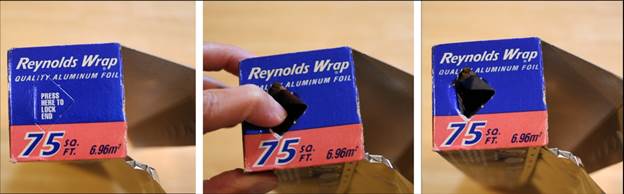
There are hidden tabs on the ends of every aluminum foil box and they have a specific and important purpose. Push them into the box, and voila! They secure the roll of foil, preventing it from tearing or falling out of the box when you’re pulling some off the roll. (Don’t you wonder why isn’t this tip isn’t printed on the box? Or is it and I just missed it all these years…)
 Alice Osborne
Weekly Newsletter Contributor since 2006
Email the author! alice@dvo.com