
10 Tricks to Cooking Without a Recipe
Lindsay D. Mattison (recipe developer, food writer and product tester) shared with www.tasteofhome.com a few years ago the tricks we should know on how to cook without a recipe. I saved this information because I knew one day we’d want to know what she knows. With the holidays coming and things getting so busy, maybe today’s the day?
First of all, great chefs and other food experts say that once you start cooking with your senses, that’s when you move from being an OK cook, to a great cook.

The secret to this is obviously PRACTICE. The more you practice, the easier it becomes to let the ingredients (especially, what’s in season) speak to you. I suspect many, if not most, of our Cook’n readers are already doing this. But for you newbies out there (and not-so-newbies that haven’t known how to step away from the recipe), here are Lindsay’s tips that will help you turn what you have on hand into a quick-and-easy, delicious dinner.
GATHER YOUR STAPLES. They’re foundational. Always have pasta, rice, quinoa, eggs, flour, lard or butter, salsa, various oils and vinegars, pickles, broth and a few canned goods (like tomatoes and beans) in your cupboard or pantry. With those on hand, you can whip up any number of dinners by adding another protein and a few vegetables.

KNOW YOUR SUBSTITUTIONS. You can swap lemon juice for zest, use dried chilies instead of chili paste, plain yogurt for sour cream, vinegar + milk for buttermilk, and so on. There’s plenty of information online on cooking substitutions. Savvy cooks know what they are and use them all the time.
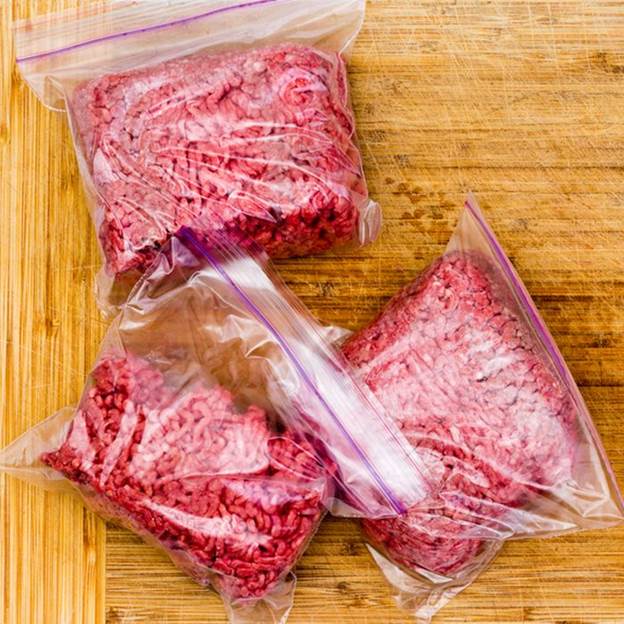
KEEP PORTIONED PROTEINS IN THE FREEZER. These will always help you build a casserole, pasta dish, stir fry, soup, stew, or stuff a baked potato.
MEMORIZE A FEW QUICK SAUCES. Tomato sauce made from canned tomatoes. White sauces for all sorts of pasta dishes or chowders. Add a few fresh veggies, grilled chicken, or sauteed shrimp and you’ve got yourself a meal.
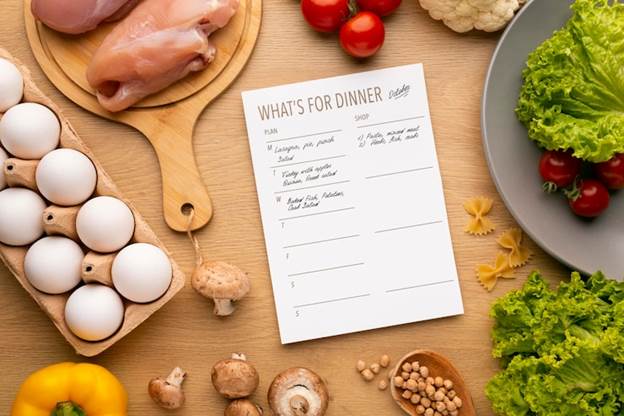
PLAN A MENU. Lindsay says, “Cooking without a recipe doesn’t have to be an on-the-fly kind of experience. I often get prepared by planning a weekly menu…Then, I can get most of the shopping out of the way and stock up on the specific vegetables and proteins I’ll need for the week.” Makes good sense, right? Menus protect against impulse shopping (thus saving money) and ensure you’ll have exactly what you need for what you want to make.
RESPECT YOUR LEFTOVERS. This is a tried-and-true Cook’n modus operendi. Build the second meal off the one you’re currently making. If you’re already making tomato sauce for dinner, why not double it up so you’ll have leftovers to use throughout the week? Make extras when cooking stock, beans, or sauces. All of these things freeze exceptionally well and you’ll have a dinner component ready to go when you need it.
KEEP THINGS SIMPLE. No need to go crazy when improvising. Follow the 5-ingredient rule, for example: tacos can be delicious with just meat, cheese, lettuce, salsa, and guacamole. And pasta can be as simple as shrimp, garlic, red pepper flakes, butter, and noodles.
AVOID MEASUREMENT-STRESS. Trust: a pinch of salt here and a dash of pepper there works. “Winging it” just takes practice and some knowledge. Study recipes for ratios (roux to thicken cheese sauce is equal parts flour and fat, or pie dough is 3-2-1 ratio of flour, fat, and liquid), and before you know it, you’re your grandma reincarnated (most of ‘em never used recipes!).

FINALLY, ROUND OUT WITH COLOR. For instance, an entree salad tastes so much better if you add a few vibrant tomatoes to it, and that rice bowl would be even tastier with some shredded purple cabbage.
 Alice Osborne
Weekly Newsletter Contributor since 2006
Email the author! alice@dvo.com