

Is Peanut Butter Good For You?
How bad is this hydrogenated peanut butter? The substitute oils & all? Cite me an official evaluation please.
-Arch Roy
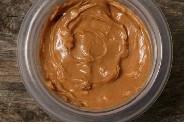 Hi Arch,
I'm glad you asked this question because I was also wondering about the hydrogenated fats (aka. trans fats) in peanut butter. The following articles made me very happy because I am a major peanut butter fan!!
Hope this helps,
Desi @ DVO
https://www.beginnertriathlete.com/cms/article-detail.asp?articleid=332
Peanut Butter: A Super Sports Food.
In this day and age of energy bars, protein powders and weight gain shakes, many athletes forget about "real" foods such as peanut butter. Peanut butter is perhaps the best sport food around.
If you've ever dropped in on the B.T.com forum then you know that Peanut Butter is a favorite food. Well, Nancy Clark, renowned nutritional guru and simply the best in the business when it comes to athletes, performance and nutrition writes why Peanut Butter is a gift from the sports gods.
By Nancy Clark, MS, RD
In this day and age of energy bars, protein powders and weight gain shakes, many athletes forget about "real" foods, such as peanut butter. Peanut butter, in my opinion, is one of the best sports foods around. It's tasty, inexpensive, satisfying, nourishing--and even good for our health. But all too often, I hear athletes say "I don't keep peanut butter in my house. It's too fatty, too fattening." or "I ration peanut butter to once per week--on my Sunday morning bagel." They try to stay away from peanut butter. That's nuts! Yes, peanut butter is calorie-dense. But it can beneficially fit into your sports diet. The following information explains why I vote peanut butter (and all nuts and nut butters, for that matter) to be a super sports food for athletes who want to eat well and invest in their health.
Peanut butter is satiating and satisfying ... perfect for dieters. Because you will never win the war against hunger, your best bet is to eat foods that keep you feeling fed. This means, foods with protein and fiber--like peanut butter (and nuts, in general). You'll feel fuller for longer if you have half a whole wheat bagel with peanut butter, as compared to the same amount of calories of a plain white bagel. The protein and fiber in peanut butter "sticks to your ribs" and is not fattening-unless you overeat total calories that day. A Purdue University study reports subjects who ate peanuts every day did not overeat daily calories. (Kirkmeyer, Int'l J Obesity 24:1167, 2000) Peanut eaters tend to naturally eat less at other times of the day. (Alper, Int'l J Obesity 26:1129, 2002) Plus, if you enjoy what you are eating on your reducing diet, you'll stay with the food plan and be able to keep the weight off. This is far better than yo-yo dieting!
Peanut butter is a quick and easy way to reduce your risk of heart disease. Just slap together a peanut butter (and honey or jelly) sandwich on multi-grain bread, and you have the makings of a heart-healthy meal, if not a childhood memory. A quick and easy peanut butter sandwich is healthier, by far, than a fast food burger or fried chicken dinner and far better than, let's say, an equally easy "meal" of chips or ice cream. That's because peanut butter offers health-protective mono- and polyunsaturated oil. Trading burgers (saturated fat) for peanut butter sandwiches reduces your risk of developing heart disease. In fact, the more often you eat peanut butter (and nuts), the lower your risk of heart disease. (Hu, J Am College Nutr 20(1):5, 2001) Start spreading peanut butter (instead of butter) on toast. Enjoy PB & banana for a "decadent" snack in place of ice cream.
Peanut butter is an affordable source of calories. If you are a hungry athlete who needs 3,000 or more calories a day, you can spend a significant amount of money fueling yourself (especially if you routinely eat protein bars, weight gain shakes and other engineered sports foods). Peanut butter can fuel your body without breaking the bank. One hundred calories of peanut butter (about 1 tablespoon) costs about 7¢, far less than 100 calories of other protein sources, such as cottage cheese (55¢ per 100 calories), tuna (60¢) and deli turkey breast (75¢). The cost of 200 calories of peanut butter is about 15¢, far less than the $1.49 you'd spend on 200 calories of an energy bar... and generally, the peanut butter is far tastier!
Peanut butter is a source of protein, needed to build and repair muscles. But take note: peanut butter is not protein-dense. That is, two tablespoons of peanut butter, the amount in an average sandwich, provides about 7 grams of protein. In comparison, the calorie equivalent of turkey in a sandwich offers about 20 grams of protein. Athletes who weigh 140 pounds may need 70 to 100 grams protein per day; 200-pound athletes, 100 to 150 grams. For 100 grams of protein, you'd have to eat the whole jar of peanut butter! Unlikely! To boost the protein value of peanut butter, simply accompany it with a tall glass of milk: a PB &J sandwich + 16 ounces lowfat milk = 28 grams of protein, a good chunk of your daily requirement. Milk simultaneously enhances the value of the protein in the peanut butter sandwich. That is, peanuts are low in some of the essential amino acids muscles need for growth and repair. The amino acids in milk (as well as those in the sandwich bread) nicely complement the limiting amino acids in peanuts.
Peanut butter is a reasonable source of vitamins, minerals and other health-protective food compounds. For example, peanut butter contains folate, vitamin E, magnesium and resveratrol, all nutrients associated with reduced risk of heart disease. Magnesium is also associated with reduced risk of adult-onset diabetes. Peanut butter offers a small amount of zinc, a mineral important for healing and strengthening the immune system. As an athlete, you need all these nutrients to keep you off the bench and on the playing field.
Peanut butter contains fiber--not a lot (1 gram per tablespoon) but some. Fiber in food contributes to a feeling of fullness that can help dieters eat less without feeling hungry. Fiber also promotes regular bowel movements and helps reduce problems with constipation. By enjoying peanut butter on whole grain bread, you can contribute 6 to 8 grams of fiber towards the recommended target of 20 to 35 grams fiber per day.
Peanuts contain mostly health-protective mono- and polyunsaturated fats. When peanuts are made into commercial peanut butter (such as Skippy or Jif), some of the oil gets converted into a harder, saturated fat. This keeps the oil from separating to the top. The hardened oil, called trans-fat, is less healthful. But the good news is, commercial peanut butters contain only a tiny amount of trans fats and just a small amount of (naturally occurring) saturated fat. For example, only 3.5 of the 17 grams fat in two tablespoons of Skippy are "bad." To minimize your intake of even this small amount of unhealthful fat, you can buy all-natural peanut butter. If you dislike the way the oil in this type of peanut butter separates to the top of the jar, simply store the jar upside down. That way, the oil rises to what becomes the bottom of the jar when you turn it over to open it. And if you eat peanut butter daily, you won't have to refrigerate it, thereby making the all-natural peanut butter easier to spread.
Caution: Peanut butter is a poor source of the carbohydrates needed for muscle fuel. Don't try to subsist on peanut butter by the spoonful! Luckily, peanut butter combines nicely with banana, bread, apples, oatmeal, crackers, raisins, and even pasta (as in Thai noodle dishes). These combinations will balance your sports diet.
Sports nutritionist Nancy Clark, MS, RD offers nutrition consultations to casual and competitive athletes at her private practice in Healthworks (617-383-6100) in Chestnut Hill MA.