
Naturally Sweet Holidays: Baking Big Flavor with Better Ingredients
Hey chefs,
The holidays are in full swing, and for many of us that means our diets tend to… drift. The dessert table alone could derail even the strongest resolve. But here’s the secret most people don’t realize: holiday baking doesn’t have to overload on refined sugar to taste incredible. And it’s not just about sweetness—sugar affects texture, moisture, browning, tenderness, and even how a cake rises. So when we try to “cut back,” it’s easy to assume we’re doomed to dry, dense, or sad baked goods.
But we’re not. Not even close.
This past weekend I made the most amazing honey maple sunshine cake for my nephew’s birthday. It was bright, luscious, tender, beautifully spiced—and completely free of refined sugar. I served it to adults and kids alike, and every single person was shocked when I said it was sugar-free. It was a huge cake… and there wasn’t a crumb left.
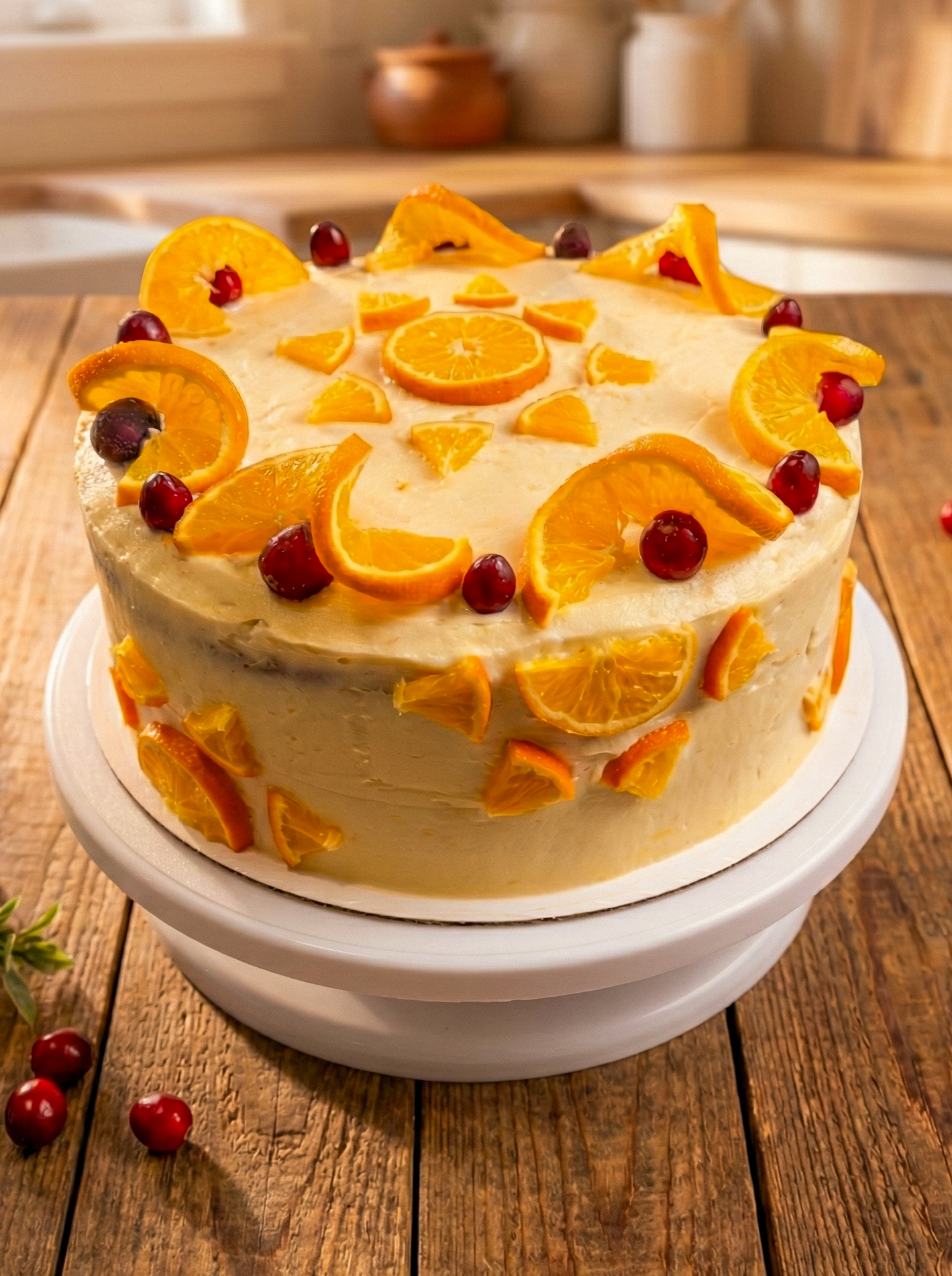
You can absolutely make show-stopping desserts this holiday season without sacrificing flavor or texture. You just need to understand which natural sweeteners work where, and why. So let’s walk through some of the best refined sugar substitutes, what makes them special, and how they behave inside your baked goods.
Natural Sweeteners to Use This Holiday Season
…and Why They’re Healthier, Plus How They Behave in Baking
Honey
Honey is not just sweet—it’s chemically active. Unlike refined sugar, which is pure sucrose stripped of all nutrients, honey contains trace minerals, antioxidants, antibacterial compounds, and natural enzymes.
- Health differences:
- Contains antioxidants and antimicrobial properties
- Slightly lower glycemic impact due to its fructose-glucose ratio
- Offers micronutrients like potassium and small amounts of B vitamins
- How it behaves differently:
- Hygroscopic—meaning it draws in moisture, making baked goods ultra-soft
- Promotes stronger browning due to fructose (which caramelizes faster than sucrose)
- Liquids must often be reduced slightly because honey adds moisture
Best for: cakes, quick breads, muffins, frostings, sauces
Fun note: Honey keeps desserts moist for days, something refined sugar can’t do alone.
Maple Sugar & Maple Syrup
Maple sugar is simply dehydrated maple syrup, and it behaves the most similarly to refined sugar in structure—meaning you get sweetness and the crystalline bulk your batter needs.
Maple products are made from concentrated tree sap, whereas refined sugar is chemically purified from cane or beets, leaving no minerals behind. Maple sugar retains naturally occurring antioxidants, manganese, zinc, and plant compounds.
- Health differences:
- Contains minerals and antioxidants
- Gentler on blood sugar than refined white sugar
- Has a lower fructose content than honey (better for some diets)
- How it behaves differently:
- Maple sugar is crystalline, so it acts very similarly to white sugar when creaming or whipping
- Maple syrup adds extra liquid, so recipes often need slight flour adjustments
- Imparts warm, caramelized undertones without overpowering the dessert
Best for: cookies, cakes, granolas, glazes, frostings
Baker’s perk: Maple sugar provides structure nearly identical to refined sugar.
Coconut Sugar
Coconut sugar is made from the sap of coconut palms and is minimally processed—no bleaching, no refining, no mineral removal.
- Health differences:
- Contains potassium, iron, zinc, and inulin (a prebiotic fiber)
- Has a lower glycemic index than table sugar
- Less fructose than many natural sweeteners
- How it behaves differently:
- Melts more slowly, contributing to deeper color and chewiness
- Adds a warm, caramel-like flavor similar to light brown sugar
- Doesn’t aerate quite as well during creaming, so some cakes may be slightly denser
Best for: spice cakes, gingerbread, cookies, brownies
Great swap: Works 1:1 for brown sugar in many bakes.
Date Syrup & Date Sugar
Dates are whole fruit, so their sweeteners retain fiber and minerals that refined sugar completely lacks. Date syrup is extracted from cooked dates, while date sugar is simply dried, ground dates.
- Health differences:
- High in fiber, which slows down sugar absorption
- Packed with potassium, magnesium, and antioxidants
- Considered one of the most nutrient-dense natural sweeteners
- How it behaves differently:
- Date sugar doesn’t dissolve fully, giving a rustic texture—great for dense bakes
- Date syrup adds moisture and depth similar to molasses
- Adds rich caramel and fruity notes
Best for: brownies, quick breads, banana bread, dense cakes
Important: Date sugar is not ideal for light, silky batters because it won’t melt like sucrose.
Fruit Reductions (Apple, Pear, Citrus, etc.)
Fruit reductions concentrate natural fructose, acids, and pectin—creating sweetness with structure and bright flavor.
- Health differences:
- Naturally contain vitamins and antioxidants
- Usually lower in total sugar per serving than refined sugar
- Offer pectin and fiber, which help stabilize baked goods
- How they behave differently:
- Add moisture and soft structure
- Increase acidity, which can enhance lift when paired with baking soda
- Provide flavor complexity you’ll never get from plain refined sugar
Best for: cakes, fillings, glazes, muffins
Bonus: Fruit reductions enhance aroma in a way white sugar simply doesn’t.
Why These Sweeteners Are Considered “Healthier” Than Refined Sugar
Refined sugar is a neutral, stripped-down ingredient: pure sucrose, 100% carbohydrate, no nutritional value, high glycemic impact.
These natural alternatives differ because they:
- Contain micronutrients and antioxidants
- May have lower glycemic effects
- Often include trace minerals or fiber
- Are less processed
- Provide more complex flavor, meaning you often use less overall
And best of all—they don’t just make baking healthier… they make your desserts more interesting.
Tips for Making My Honey Maple Sunshine Cake Perfectly
This cake shines because every ingredient has a job—it’s not just sweet, it’s engineered to be tender, bright, aromatic, and beautifully moist without a speck of refined sugar.
Here’s what’s happening behind the scenes:
1. The honey-roasted carrots and parsnips are doing more than adding flavor.
Roasting them gently (without browning) releases moisture and concentrates their natural sugars. This gives the cake its signature softness and natural sweetness while preventing soggy flecks. Cooling them completely before mixing prevents streaky pockets of steam that could interfere with the rise.
2. The orange reduction is your secret flavor bomb.
Reducing orange juice intensifies its acidity and sweetness, helping balance honey and maple while lifting the spice profile. The zest adds essential oils that bloom into the entire cake. A little citrus cuts through richness and keeps the crumb tasting bright rather than heavy.
3. Maple sugar + honey is the dream team.
Maple sugar provides the structure that granulated sugar would normally offer, while honey keeps the crumb tender and moist. Together, they mimic the functional chemistry of refined sugar—bulk, browning, caramelization, and moisture—but with far more flavor.
4. Yogurt (or sour cream) creates lift and tenderness.
The acidity reacts with baking soda to give you a taller rise, while the fat keeps the cake velvety. It’s one of my favorite tricks for rich cakes that never taste dense.
5. Don’t overmix once the flour goes in.
Gluten development is not your friend here. Stir just until combined, then fold in the vegetables gently. This preserves the delicate crumb you worked so hard to build.
6. Chill your layers before assembling.
Sugar-free cakes—especially those with honey—tend to be extremely tender. A quick chill makes the layers easier to frost and helps them hold their structure beautifully.
7. And that frosting? Honey + orange + vanilla + cream cheese = magic.
Honey sweetens without making it cloying, the orange adds brightness, and the cold cream cheese helps it whip up thick and dreamy. If it softens, a short chill brings it right back.
This cake is sunshine in dessert form—warm spices, winter citrus, golden honey, earthy-sweet roots, and a plush, tender crumb. And yes… completely refined sugar-free.
If you want to give this cake a try (and trust me, you should), I’ve linked the full recipe here.
Happy holiday baking, chefs—your desserts can be stunning and nourishing this season.
 Brennah Van Wagoner
Weekly Newsletter Contributor since 2025
Email the author! brennah.oaks@gmail.com