
HURRAH! No More Slimy, Fuzzy Mushrooms!
Before I launch into my topic, I want to take a minute to mention the passing of one of our LONG-TIME Cook’n subscribers. You may know her from her frequent comments—“Terrellgram” (the name she used for submitting article replies) would consistently share ideas and suggestions and was always a loyal Cook’n cheerleader. She passed away from cancer and a stroke. The Cook’n family means a lot to us, and we extend our heartfelt condolences to her loved ones. She will be very missed.
OK, to my subject: the best way to store mushrooms so they last longer (research-based). Like most food today, they’re on the expensive side, so knowing how to store them longer makes good sense.
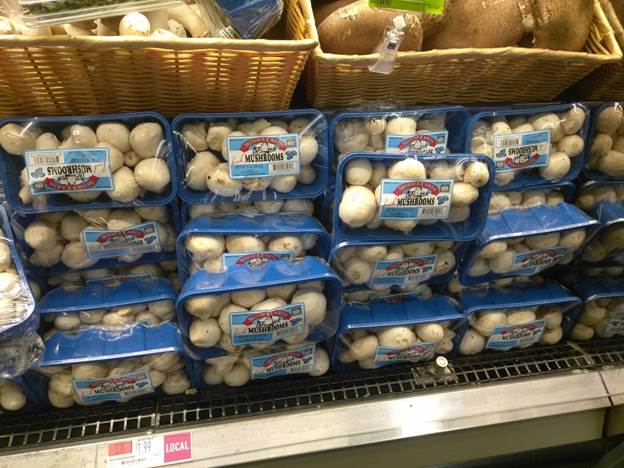
I’m a big fan of mushrooms—their texture, flavor, and the umami boost they add to recipes. To top that off, they’re loaded with health benefits. They are antioxidant powerhouses rich in B vitamins, fiber, selenium, and potassium. They support heart, gut, and brain health, boost immunity, and potentially reduce cancer risk by improving microbiome, lowering inflammation, and providing rare dietary Vitamin D. They're low in calories and cholesterol, making them great for weight management and heart health.
The one drawback for me, though, was that after I’d get them home and place them the fridge, I’d find them slimy or fuzzy a few days later. What a waste of money! Frustrating, right?

So, when I saw an article by food researcher, Irving Lin, on how to extend their freshness, I was excited. He tested several methods for storing them and discovered that keeping them refrigerated in their original packaging isn't the best approach.
Before talking about the best storage technique, let’s look at how to buy them, because this relates to best storage practices. It's safest to buy loose mushrooms rather than pre-packaged ones, since this lets you inspect each for freshness and mold. When pre-packaged, spoiled mushrooms can hide at the bottom.
Mushroom growers across the board suggest you look for firm, blemish-free mushrooms without dark brown spots or discoloration—often a symptom of bacterial blotch, which can accelerate spoilage. They say to inspect for any that feel wet, also.

Now to best storage practices: Mr. Lin said “The results of our many tests were clear: For mushrooms that last longest, store them in a paper bag on a refrigerator shelf, where humidity is low.
If you're keeping them in their original packaging, use them as soon as possible, as they will likely soften and spoil within four to five days. Avoid the crisper drawer altogether, as the damp environment is conducive to mold and spoilage.”

HURRAH! No more slimy, fuzzy mushrooms!
 Alice Osborne
Weekly Newsletter Contributor since 2006
Email the author! alice@dvo.com